



News:
Brokerage
Posted: March 20, 2018
Outside the Region: Levine of Greystone originates $72.5 million in Fannie Mae DUS financing
Canton Township, MI Greystone provided $72.5 million in total Fannie Mae DUS loans to refinance three multifamily properties in Michigan owned by Singh Development Company. The loans were originated by Fred Levine of Greystone.
The 10-year fixed rate Fannie Mae loans each include a 30-year amortization. The townhouse-style properties refinanced include Turnbury Park; Brownstones in Novi, MI; and Briarcliff Village in Commerce Township, MI. The class A properties include a range of one-, two-, and three-bedroom units and include amenities such as fitness centers and swimming pools. Celebrating its 45th year, Singh Development is a family business based out of Michigan and North Carolina. They build, own, and manage a large portfolio of class A multifamily, office, and Waltonwood Senior Living Communities.
“We have been working with Greystone for over 15 years using a variety of financing vehicles. This Fannie Mae package exceeded our expectations, especially the fact that it closed in less than 60 days from engagement,” said Mony Grewal, vice president of finance, Singh Development.
“This was an ideal time to explore refinancing, capitalize on low rates and optimize the equity in the properties,” said Levine. “Singh’s properties are known to be of the highest quality. I’m proud to have worked closely with the firm for over 15 years and look forward to continuing to provide financing solutions to Singh Development for years to come.”
Tags:
Brokerage
MORE FROM Brokerage
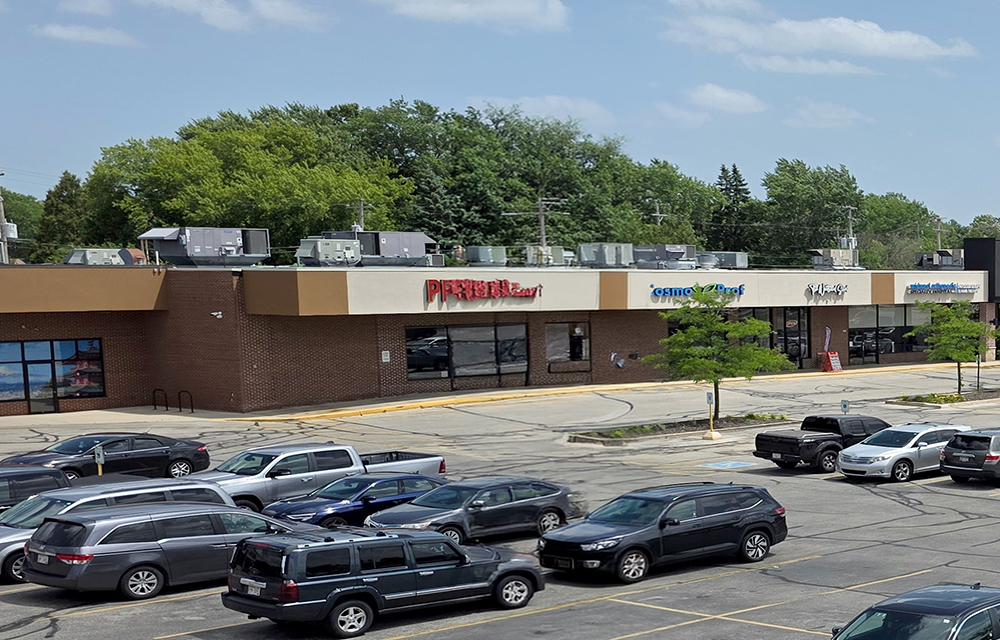
United Properties Corp. expands Wisconsin and Illinois retail presence adding 200,000 s/f
West Allis, WI United Properties Corp. completed two retail acquisitions totaling $27.4 million across Illinois and Wisconsin, adding 205,000 s/f of shopping center space to its portfolio







Columns and Thought Leadership

A guide to finding the right NYC property management company - by Sanjay Gandhi
Being a small to midsize landlord in NYC is an increasingly demanding endeavor. From navigating complex regulations, increased compliance demands to dealing with tenant issues and remediating violations. It is wise to enlist the assistance of a partner, a professional

Positive forecast for New York’s pro-housing push? - by Philip Butler
New York’s housing crisis remains a hot button topic despite growing consensus that varied and affordable housing is desperately needed statewide. Governor Hochul has recently introduced several initiatives to overcome N.Y.’s anti-housing

New York’s streets are full again, and the retail numbers prove it - by Noam Aziz
Walk down any New York block this year and you can feel it. The sidewalks are crowded, the storefronts are lit, and the energy that defines this city is back at full volume.

Hunt commercial real estate question and answer: Fortune 500 wisdom - by David Hunt
Yes, there are lessons to be learned from the largest companies in America when comes to managing your real estate. But the decision to buy or lease real estate may not be one of
.gif)