



News:
Brokerage
Posted: September 17, 2019
Outside the Region: Kaufman Dolowich & Voluck celebrates five years in Chicago
Chicago, IL Kaufman Dolowich & Voluck LLP (KDV) celebrated its five-year anniversary of establishing its local office. On September 3rd, 2014, KDV-Chicago began operations with three attorneys, Stefan Dandelles, David Brown and Brendan McGarry. Over the past five years, the office has steadily grown its core practice areas in insurance coverage, financial services, professional liability and employment practices liability across its national platform.
“David, Brendan and I joined KDV to be a part of a firm that was expanding geographically and to grow the practices that we brought to the table,” said Dandelles. “It is gratifying to see what we have been able to accomplish in a relatively short period of time; measured most importantly by our ability to continually meet and exceed the expectations of our local, national and international clients.”
Beginning its sixth year, the Chicago office now has 25 attorneys and 10 support staff, and just announced that it has signed a lease to expand its existing space in Chicago by nearly 5,000 square feet to accommodate current and future growth. The firm expects the build-out of the new, contiguous space to be complete in November.
In March 2017, attorneys from Baugh Dalton LLC joined the KDV Chicago team. Today, named partners from that firm, David A. Baugh and John D. Dalton, along with Dandelles, are co-managing partners of the Chicago office. Baugh is also co-chair of the firm’s national Financial Services Practice Group and Dandelles is chair of the national Fidelity & Surety Practice Group. In the Chicago office as well is one of two other co-chairs of the Financial Services practice, Nancy L. Hendrickson, and the co-chair of the national Insurance Coverage and Litigation Practice Group, David T. Brown.
“Our office expansion is testament to the great work and dedication of our attorneys,” said Baugh. “We have established a national reputation for our professional malpractice defense, directors’ and officers’ liability defense and representation of clients in proceedings and investigations pending before the SEC, FINRA and state securities commissions.”
“Our goal is to continue to build our bench strength in a very competitive marketplace and be a significant part of KDV’s long-term growth,” said Brown.
Tags:
Brokerage
MORE FROM Brokerage
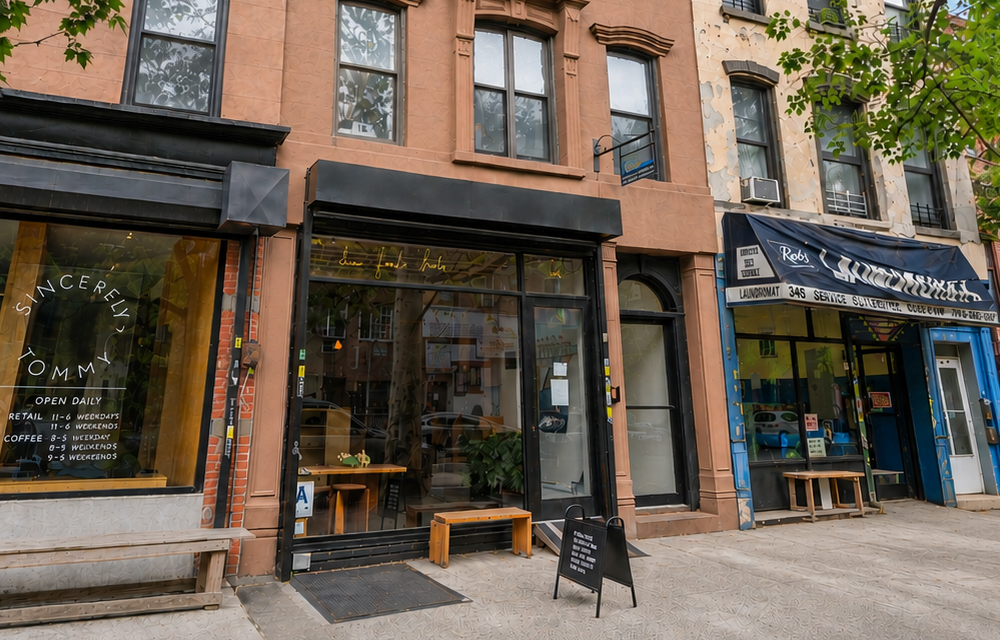
Bestreich, Reynolds, Davila, and Flaherty of Investment Property Realty Group close $1.97 million sale of 343A Tompkins Ave. in Bed-Stuy
Brooklyn, NY Investment Property Realty Group (IPRG) closed the sale of 343A Tompkins Ave., a mixed-use building located in the Bed-Stuy section of the borough, for $1.97 million.




Columns and Thought Leadership

Hunt CRE question and answer: Choosing a real estate agent - by David Hunt
First, we will only work with one agent exclusively. The primary reason is that we want that agent to legally represent our client’s interests. In New York State, a real estate agent has a fiduciary

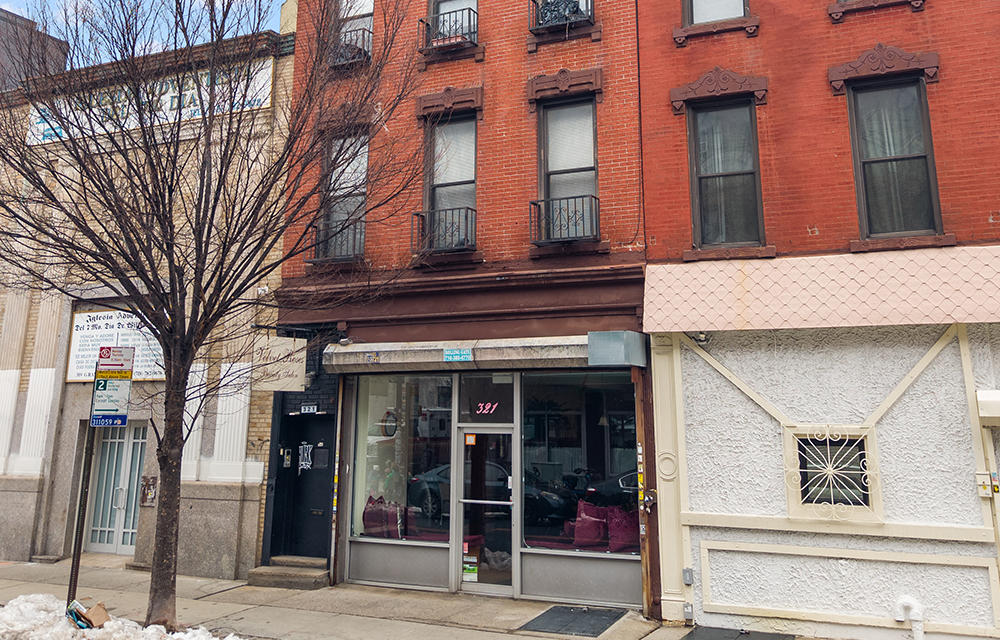
New York’s streets are full again, and the retail numbers prove it - by Noam Aziz
Walk down any New York block this year and you can feel it. The sidewalks are crowded, the storefronts are lit, and the energy that defines this city is back at full volume.

A guide to finding the right NYC property management company - by Sanjay Gandhi
Being a small to midsize landlord in NYC is an increasingly demanding endeavor. From navigating complex regulations, increased compliance demands to dealing with tenant issues and remediating violations. It is wise to enlist the assistance of a partner, a professional

Hunt commercial real estate question and answer: Fortune 500 wisdom - by David Hunt
Yes, there are lessons to be learned from the largest companies in America when comes to managing your real estate. But the decision to buy or lease real estate may not be one of
.gif)