



News:
Brokerage
Posted: July 11, 2023
OPEN Impact brokers 11,000 s/f lease for Part of the Solution
Bronx, NY OPEN Impact Real Estate LLC (OPEN) represented Part of the Solution (POTS) in a 11,000 s/f lease for a new office location at 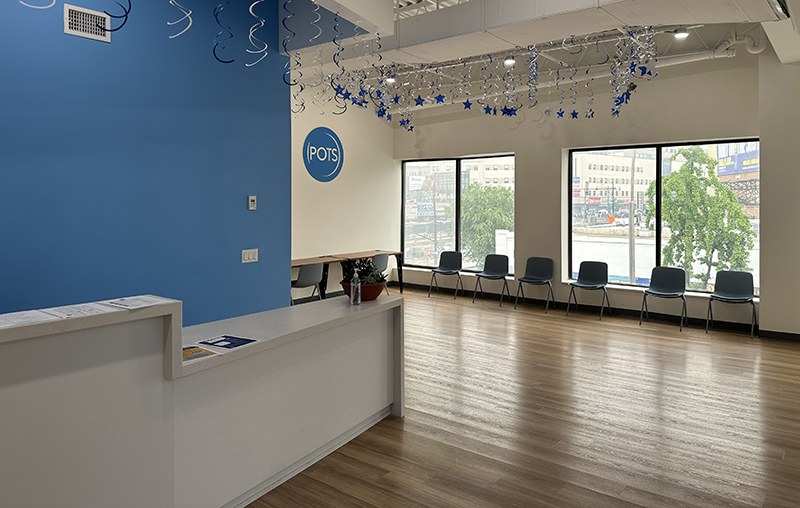 . Stephen Powers and Lindsay Ornstein, founders of OPEN, with vice presidents Alexander Smith and Casey Noel, represented POTS. Joseph and Alan Jemal of Jem Realty represented building ownership.
POTS, which offers a variety of comprehensive services to fight poverty and hunger, moved into the new location in early June and occupies the entire second floor of the building. The location houses increased programming space, conference rooms, and a classroom, as well as administrative offices.
Prior to POTS’ occupancy, building ownership, Cohen Jemal Partnership, completed a significant buildout project, including a newly renovated lobby, new elevator and HVAC system.
“We are very excited about our new location, which will help us to better respond to the increased levels of need throughout the Bronx,” said Christina Hanson, executive director of POTS. “Our clients have endured difficult times, first through the pandemic and now with dramatically increasing prices of food and other necessities. We appreciate the efforts of the OPEN team to find us a space that will help us better serve our them.”
Located in the Fordham neighborhood, POTS’s new office has a dedicated entrance, lobby and elevator. Located on a corner, the site offers excellent visibility and branding opportunities for POTS and is easily accessed by public transportation. The office provides POTS the opportunity to expand its service offerings at its primary location at nearby 2759 Webster Ave., where it offers dignity and wellness services, food security programs, a legal clinic and a long-term stability program. In 2022, POTS provided 3,203,000 meals through its lunch service and pantry, served more than 37,300 people, and provided in excess of $36 million in economic value to the community.
“We are pleased to have found POTS a new location that provides them the ability to expand their critical programming right in the community they serve,” said Powers. “The new office featured a turnkey design that perfectly suits their needs, particularly with its ‘building within a building’ entrance and elevator for clients and staff.”
Photo credit: OPEN Impact Real Estate
Tags:
Brokerage
MORE FROM Brokerage
Marcus & Millichap releases fourth-quarter 2026 NYC industrial market report
Manhattan, NY Marcus & Millichap has published its fourth-quarter 2026 New York City Industrial Market Report. “New York City’s industrial market is showing a clear



Quick Hits

Columns and Thought Leadership

Hunt commercial real estate question and answer: Fortune 500 wisdom - by David Hunt
Yes, there are lessons to be learned from the largest companies in America when comes to managing your real estate. But the decision to buy or lease real estate may not be one of

Hunt CRE question and answer: Choosing a real estate agent - by David Hunt
First, we will only work with one agent exclusively. The primary reason is that we want that agent to legally represent our client’s interests. In New York State, a real estate agent has a fiduciary

New York’s streets are full again, and the retail numbers prove it - by Noam Aziz
Walk down any New York block this year and you can feel it. The sidewalks are crowded, the storefronts are lit, and the energy that defines this city is back at full volume.
The art of investing in real estate - by Thomas Donovan
Real estate investing is as much an art as it is a skill. No one can time the market, or the factors that drive it, perfectly. Location, zoning, size, transportation, and neighborhood density give you a baseline for
.gif)