



News:
Brokerage
Posted: February 7, 2017
O’Connor of Langan elected 2017 CREW-NY president
 Michele O’Connor, Langan
Manhattan, NY Michele O’Connor, PE, LEED AP, a principal at Langan and director of the firm’s civil engineering practice, has been elected 2017 president of Commercial Real Estate Women (CREW) New York.
A long-time member of CREW New York, O’Connor previously served as president-elect and membership chair and was also instrumental in contributing to the association’s strategic master planning for the chapter and 2016 CREW Network Convention in the city.
As befits the president of one of the largest and most influential associations for women real estate professionals in the city, O’Connor is, in her words “extremely passionate about supporting, mentoring and empowering industry women.”
As such, in addition to her leadership at CREW New York and serving as a board member of Women Builders Council, O’Connor co-founded Women@Langan in September 2015 and currently serves as both a corporate and local leader. The program’s mission is to foster an atmosphere of support for women at Langan to develop a community, share experiences and form long-lasting relationships. The innovation and success of the program has led other industry leaders to consult with O’Connor on best practices for start-ups of similar initiatives.
O’Connor’s career at Langan, which provides integrated planning, site engineering and environmental consulting services, began in 1994 as a staff engineer. She has successfully risen through the ranks of the firm, establishing herself as a land development expert for large scale urban redevelopment projects.
Moving to Langan’s New York City office in 2010, she currently co-leads a team of 40 civil engineers. Among her notable projects are Hudson Park and Boulevard, a public park within the Hudson Yards District; TWA Flight Center Hotel at JFK International Airport; and Bronx Terminal Market.
CREW New York has been opening minds and doors for New York City commercial real estate woman since 1978 and grown to be the City’s largest association for real estate women. CREW New York has one of the busiest and richest events schedules in the industry hosting luncheons, seminars, tours, networking receptions and other opportunities for its members to advance their personal and professional growth.
Tags:
Brokerage
MORE FROM Brokerage
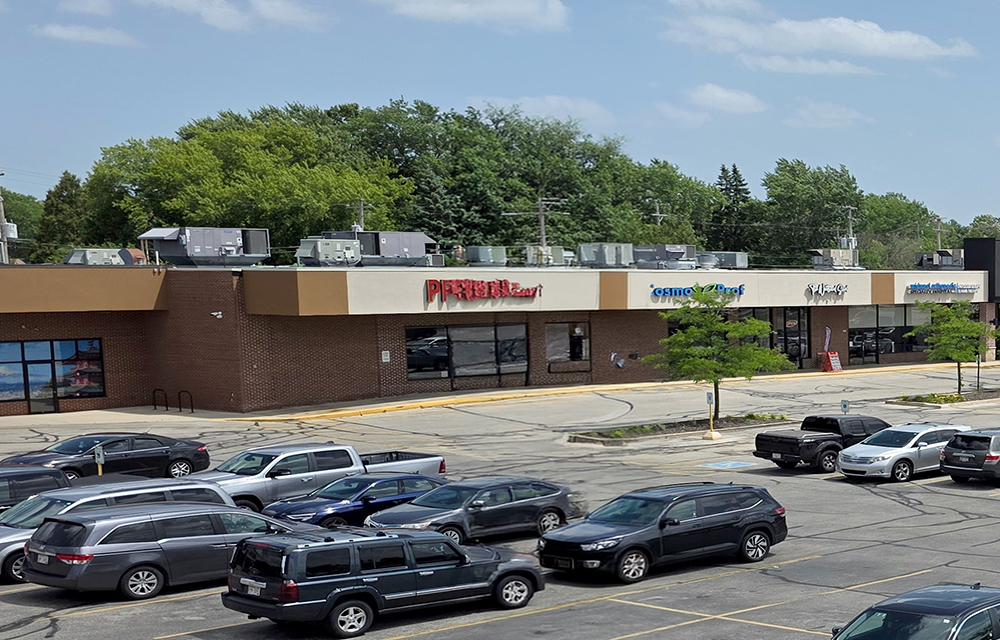
United Properties Corp. expands Wisconsin and Illinois retail presence adding 200,000 s/f
West Allis, WI United Properties Corp. completed two retail acquisitions totaling $27.4 million across Illinois and Wisconsin, adding 205,000 s/f of shopping center space to its portfolio





Quick Hits

Columns and Thought Leadership

A guide to finding the right NYC property management company - by Sanjay Gandhi
Being a small to midsize landlord in NYC is an increasingly demanding endeavor. From navigating complex regulations, increased compliance demands to dealing with tenant issues and remediating violations. It is wise to enlist the assistance of a partner, a professional

New York’s streets are full again, and the retail numbers prove it - by Noam Aziz
Walk down any New York block this year and you can feel it. The sidewalks are crowded, the storefronts are lit, and the energy that defines this city is back at full volume.

Hunt commercial real estate question and answer: Fortune 500 wisdom - by David Hunt
Yes, there are lessons to be learned from the largest companies in America when comes to managing your real estate. But the decision to buy or lease real estate may not be one of

Positive forecast for New York’s pro-housing push? - by Philip Butler
New York’s housing crisis remains a hot button topic despite growing consensus that varied and affordable housing is desperately needed statewide. Governor Hochul has recently introduced several initiatives to overcome N.Y.’s anti-housing
.gif)