



News:
Brokerage
Posted: April 16, 2024
NYSCAR upcoming professional development courses
Albany, NY Please be sure to keep up to date with your continuing education credit for your real estate license.
NYS C.E. requirements for license renewal.
Any real estate licensee submitting an application for renewal for a license expiring on or after September 21, 2022 must successfully complete 22.5 hours of approved continuing education. The education must include at least two hours on the subject of cultural competency, at least two hours on the subject of implicit bias, at least two and a half hours on the subject of ethical business practices, at least one hour of recent legal matters, at least three hours of instruction pertaining to fair housing and/or discrimination in the sale or rental of real property or an interest in real property and at least one hour of instruction pertaining to the law of agency except in the case of the initial two-year licensing term for real estate salespersons, two hours of agency related instruction must be completed within the two-year period immediately preceding a renewal.
Commercial & Investment Real Estate Certification Course
Three classes, six days - via Zoom, registration fee: NYSCAR members, free: non-members $345.00
April 17 & 19 - Working with office, retail and industrial buildings, leases and green concepts 7.5 hours c.e.
April 24 & 26 - Working with investment properties: Financial analysis, taxes and exchanges; discrimination issues in commercial real estate - 7.5 hours c.e. (fulfills NYS fair housing [three hours] requirement )
April 30 & May 2 - Ethics and agency, land and site development, comparing investments, brokerage issues and building your commercial business - 7.5 hours c.e. (fulfills NYS ethical business practices [2.5 hours] and agency [one hour] requirement).
If you would like to take any of the programs listed, please email Sherry Marr ([email protected]).
Tags:
Brokerage
MORE FROM Brokerage
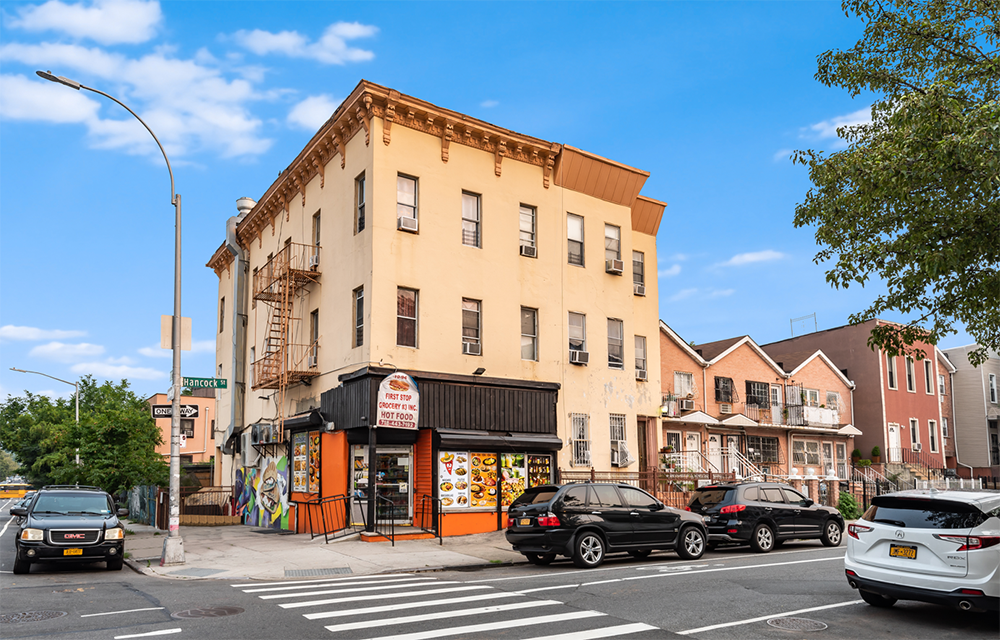
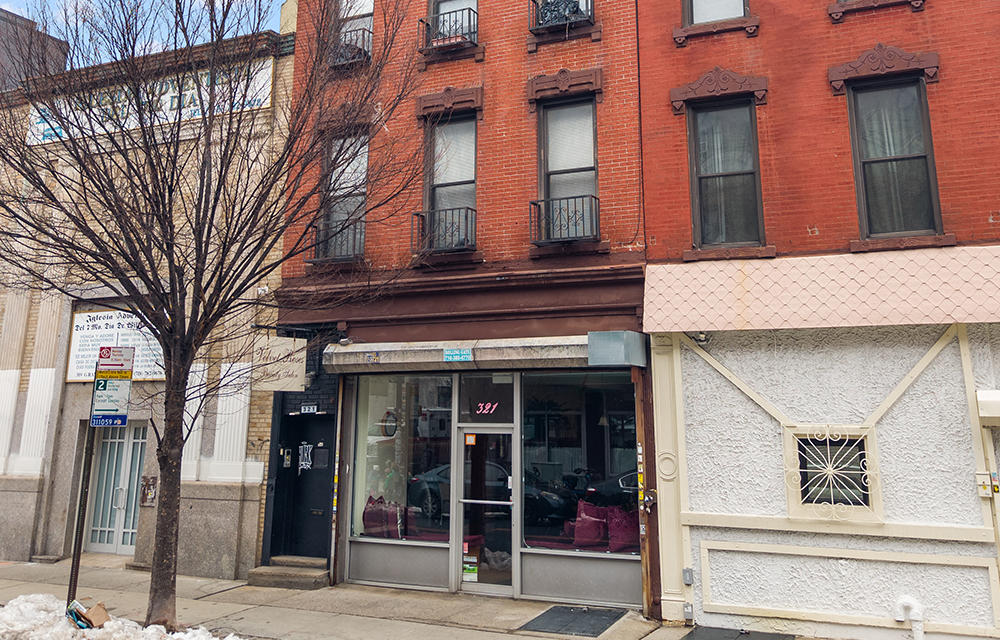
Investment Property Realty Group closes $1.75 million sale of 1094 Hancock Street in Brooklyn
Brooklyn, NY Investment Property Realty Group (IPRG), a New York-based commercial investment firm, has closed the sale of 1094 Hancock St., a mixed-use building in the Bushwick section, for $1.75 million.


 (2).gif)

Columns and Thought Leadership

Hunt commercial real estate question and answer: Fortune 500 wisdom - by David Hunt
Yes, there are lessons to be learned from the largest companies in America when comes to managing your real estate. But the decision to buy or lease real estate may not be one of

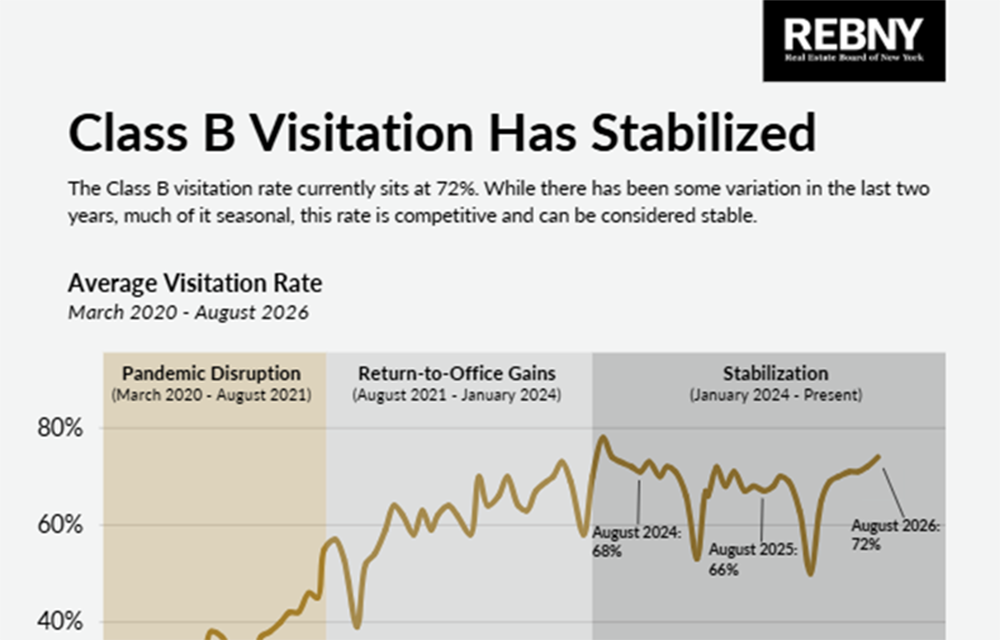
New York’s streets are full again, and the retail numbers prove it - by Noam Aziz
Walk down any New York block this year and you can feel it. The sidewalks are crowded, the storefronts are lit, and the energy that defines this city is back at full volume.

A guide to finding the right NYC property management company - by Sanjay Gandhi
Being a small to midsize landlord in NYC is an increasingly demanding endeavor. From navigating complex regulations, increased compliance demands to dealing with tenant issues and remediating violations. It is wise to enlist the assistance of a partner, a professional

Hunt CRE question and answer: Choosing a real estate agent - by David Hunt
First, we will only work with one agent exclusively. The primary reason is that we want that agent to legally represent our client’s interests. In New York State, a real estate agent has a fiduciary
.gif)