



News:
Brokerage
Posted: February 10, 2014
NYCEDC seeking team to perform functions of PMO
New York City Economic Development Corp. (NYCEDC) is seeking a consultant or consultant team to perform the functions of a Program Management Office (PMO) to implement the Business Resiliency Investment Program, an initiative to provide funds to assist eligible business tenants and owners and to incentivize them to make certain improvements to enhance their resiliency to severe weather. Eligible resiliency measures may include protecting or elevating building systems, dry flood-proofing, wet flood-proofing, structurally reinforcing wood-framed buildings, creating business disaster preparedness plans, and elevating/flood-protecting business equipment and inventory and/or data systems.
This program is one of the business recovery initiatives expectedto be funded through the Community-Development Block Grant-Disaster Recovery (CDBG-DR) program, and is included in the City's CDBG-DR Action Plan, approved by the US Department of Housing and Urban Development in May 2013 and subsequently amended.
It is expected that the PMO services may include, without limitation:
* application-based tasks, such as application intake, determining applicant and project eligibility (including site assessments, work write-ups and cost estimates),
* sizing awards, disbursing funds, overseeing project work, and completing post project monitoring; and
* performing supporting tasks, such as performance tracking and reporting, training, quality assurance, utilizing technology to support all key tasks, and fraud, waste and abuse detection prevention and detection.
NYCEDC plans to select a consultant on the basis of factors stated in the RFP which are expected to include, but may not be limited to: the quality of the proposed approach, experience of key staff identified in the proposal, experience and quality of any subcontractors proposed, demonstrated successful experience in performing services similar to those encompassed in the RFP, and the proposed fee.
Tags:
Brokerage
MORE FROM Brokerage
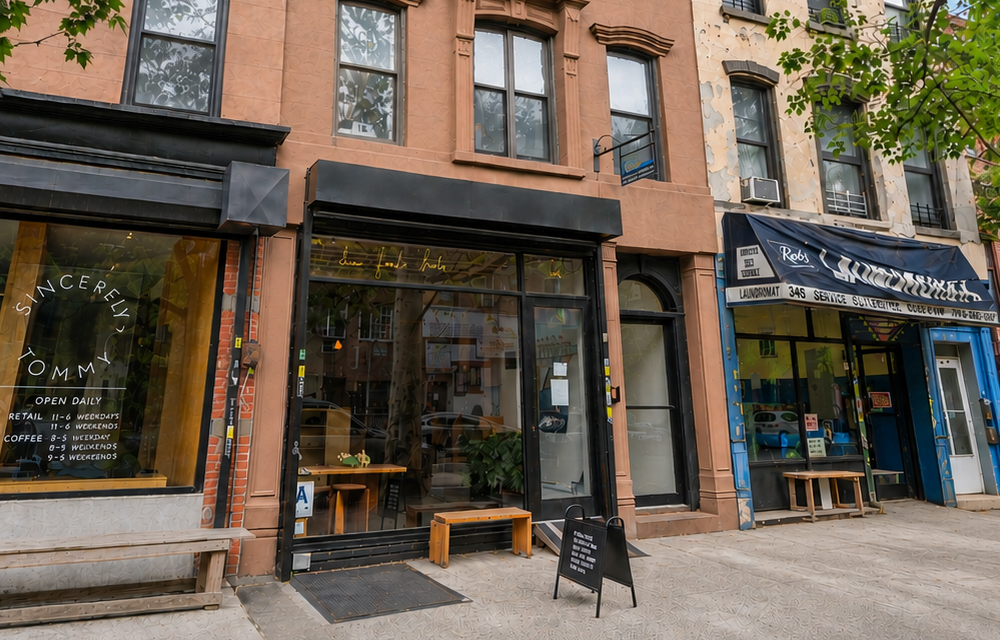
Bestreich, Reynolds, Davila, and Flaherty of Investment Property Realty Group close $1.97 million sale of 343A Tompkins Ave. in Bed-Stuy
Brooklyn, NY Investment Property Realty Group (IPRG) closed the sale of 343A Tompkins Ave., a mixed-use building located in the Bed-Stuy section of the borough, for $1.97 million.


Quick Hits
 (2).gif)

Columns and Thought Leadership

Hunt CRE question and answer: Choosing a real estate agent - by David Hunt
First, we will only work with one agent exclusively. The primary reason is that we want that agent to legally represent our client’s interests. In New York State, a real estate agent has a fiduciary

A guide to finding the right NYC property management company - by Sanjay Gandhi
Being a small to midsize landlord in NYC is an increasingly demanding endeavor. From navigating complex regulations, increased compliance demands to dealing with tenant issues and remediating violations. It is wise to enlist the assistance of a partner, a professional

Hunt commercial real estate question and answer: Fortune 500 wisdom - by David Hunt
Yes, there are lessons to be learned from the largest companies in America when comes to managing your real estate. But the decision to buy or lease real estate may not be one of

New York’s streets are full again, and the retail numbers prove it - by Noam Aziz
Walk down any New York block this year and you can feel it. The sidewalks are crowded, the storefronts are lit, and the energy that defines this city is back at full volume.
.gif)