



News:
Brokerage
Posted: September 13, 2022
NY Building Congress reveals infrastructure projects for New York’s next 100 years
New York, NY The New York Building Congress released a report outlining essential transit, housing, and infrastructure projects that New York City must undertake over the next 100 years for economic growth and a prosperous, equitable future for New York City.
“For 100 years, the New York Building Congress and its members have been committed to advancing developments and projects that improve New Yorkers lives and create a stronger, more functional, beautiful and equitable city,” said Ralph Esposito, chair of the New York Building Congress and Carlo Scissura, president and CEO of the New York Building Congress. “Looking ahead to our great city’s future, we will continue our advocacy and efforts to advance the critical projects outlined in this report. There has never been a more opportune time to get to work on bold, visionary projects for future generations.”
Drawing on the Building Congress’ last 100 years of experience driving the building industry and shaping New York, Hundred Year Report Series: Projects outlines a vision for a thoughtful and robust investment in building and infrastructure projects across the city.
The bipartisan passage of the historic federal Infrastructure Investment and Jobs Act positioned New York well to think long-term about transportation and infrastructure improvements. As such, infrastructure projects are featured prominently in this report.
Over the next ten years, the Building Congress calls on the City to complete the Gateway Program, advance the Penn Station redevelopment, tear down and reconstruct the Brooklyn-Queens Expressway, reimagine the Port Authority Bus Terminal, complete the Interborough Express, and prioritize phase two of the 2nd Avenue subway expansion. These projects alone will generate trillions of dollars in annual economic output, service millions of commuters, create hundreds of thousands of jobs, and transform Midtown Manhattan into a world-class transportation hub.
The Building Congress also proposes several innovative, out-of-the-box solutions to some of the most pressing problems facing New York City, including the housing crisis, transit access and climate change:
- Repurpose the David N. Dinkins Manhattan Municipal Building as Housing: The Dinkins Building was designed in the early 1900s to be one of the largest office buildings in the world, but today, it is outdated and run down. We suggest relocating city worker to existing, modern spaces across the five boroughs, transferring ownership to the private sector — following broad community engagement and public outreach — and fully renovating it into a mixed-use development. Then earmark the proceeds raised exclusively for NYCHA capital improvements.
- Build Floodgates for Long-term Coastal Resiliency: Building off of the momentum of the Lower Manhattan Coastal Resiliency Project, a cohesive, citywide plan to protect New York City from future storm surges and sea level rise is critical. Large, adaptable flood barriers must be constructed around our most vulnerable coastal areas to protect our communities.
- Construct a New Bridge to Connect Hunts Point to Rikers Island, LGA: After the jail facility is demolished, build a new bridge to connect the Bronx to Rikers Island and Queens to improve access to food and produce markets and distribution centers in Hunts Point with a direct connection to Queens and Long Island, reduce congestion, and expand bus service to hubs in the Bronx, such as Yankees Stadium.
- Rebuild Borough of Manhattan Community College: Borough of Manhattan Community College is an outdated, horizontal cluster of buildings spanning four city blocks in the high-opportunity Tribeca neighborhood. Replacing this campus with a modern, vertical campus will free up entire city blocks for development. The Building Congress proposes this space could be used to build an educational hub with K-12 facilities and tech industry training facilities.
Tags:
Brokerage
MORE FROM Brokerage
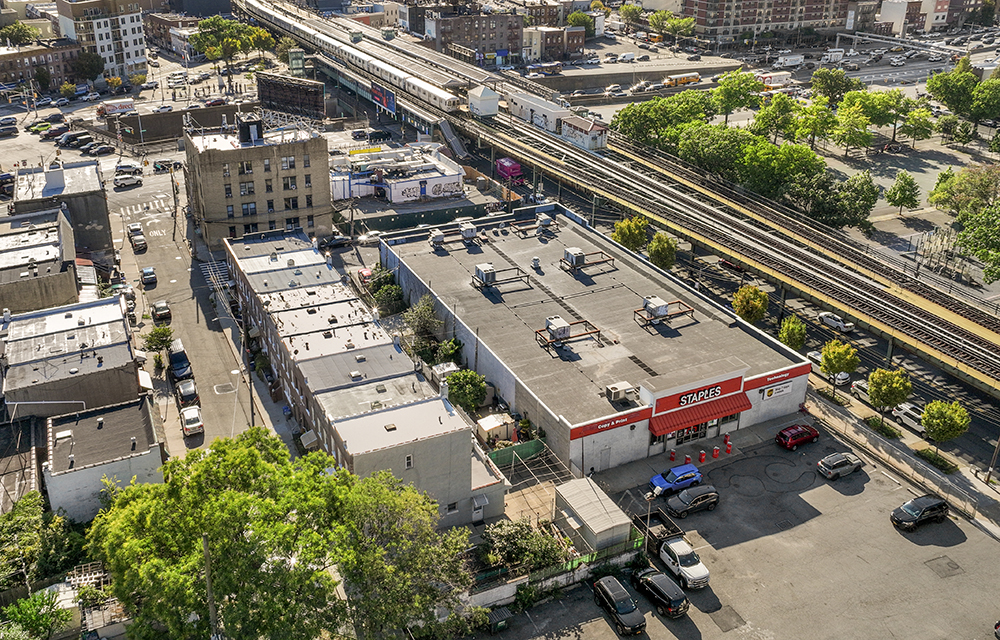
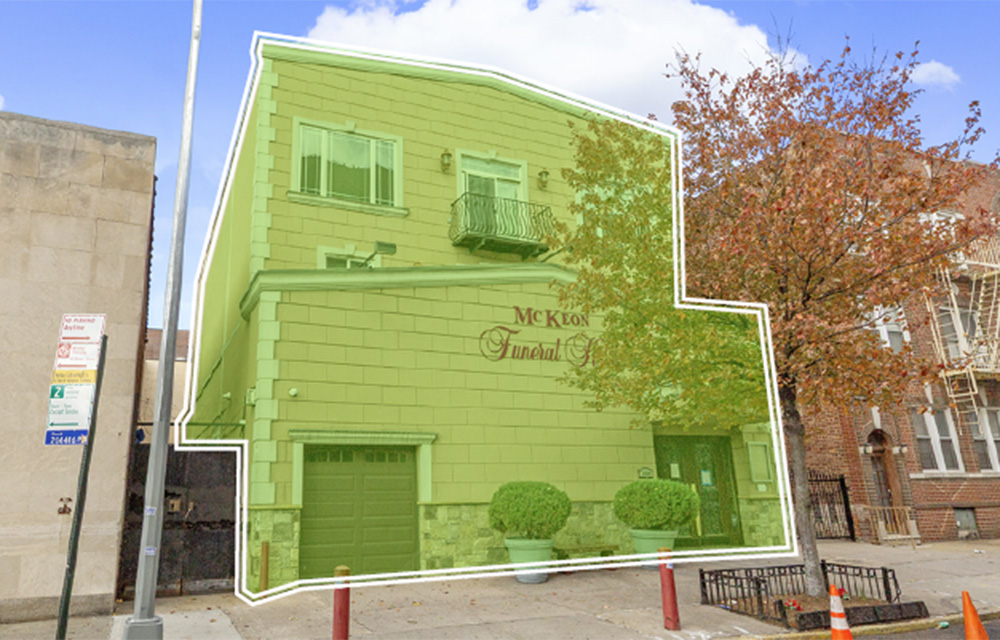
Investment Property Realty Group represents The Vaja Group in $26.4 million acquisition of fully entitled Astoria development site
Queens, NY Investment Property Realty Group (IPRG) arranged The Vaja Group’s $26.39 million acquisition of 24-41 31st St., a fully entitled development site in Astoria. The 29,638 s/f site traded for $176 per buildable s/f.


Quick Hits
 (2).gif)

Columns and Thought Leadership

Positive forecast for New York’s pro-housing push? - by Philip Butler
New York’s housing crisis remains a hot button topic despite growing consensus that varied and affordable housing is desperately needed statewide. Governor Hochul has recently introduced several initiatives to overcome N.Y.’s anti-housing

A guide to finding the right NYC property management company - by Sanjay Gandhi
Being a small to midsize landlord in NYC is an increasingly demanding endeavor. From navigating complex regulations, increased compliance demands to dealing with tenant issues and remediating violations. It is wise to enlist the assistance of a partner, a professional

Hunt commercial real estate question and answer: Fortune 500 wisdom - by David Hunt
Yes, there are lessons to be learned from the largest companies in America when comes to managing your real estate. But the decision to buy or lease real estate may not be one of

New York’s streets are full again, and the retail numbers prove it - by Noam Aziz
Walk down any New York block this year and you can feel it. The sidewalks are crowded, the storefronts are lit, and the energy that defines this city is back at full volume.
.gif)
September Promotion
