



News:
Brokerage
Posted: September 26, 2007
NorthMarq Capital arranges a total of $130 million in mtge. financing
NorthMarq Capital has completed a total of $130 million in financing for developers on a variety of properties. The following highlights several of the deals.
Sam Berns, senior VP, arranged a $35 million permanent loan on the Alexander Park office park. In addition, he also financed three Walgreens in upstate markets totaling $15.7 million, a 58-unit apartment complex through Freddie Mac for $2.6 million, a warehouse in suburban Syracuse for Kinney Drugs for $1.5 million and a $2.4 million fixed rate construction loan for apartments in suburban Buffalo.
Scott DeVinney delivered $5.3 million from a conduit lender on an office building called The Foundry in Syracuse. DeVinney also provided $4 million for a renovated retail building in Saratoga Springs from a national banking source. He also secured $23.2 million from several Wall St. conduit lenders and correspondent life insurance companies for a variety of real estate transactions. These financings included several Kinney Drug Stores, a Lowes Home Improvement Store, a Rite Aid Drug store, a stand alone Burlington Coat Factory, a multi-tenanted retail plaza and an apartment complex. Also, he financed a multitenanted office building in the Albany area for $14 million through NorthMarq's correspondent relationship with State Farm Life Insurance Co.
Mike James closed a financing of $3.7 million for an industrial property at 5717 Enterprise Pwy. located in East Syracuse from a correspondent life insurance company. He also arranged $1.4 million for flex space located at 16-18 Corporate Cir. in Syracuse from a correspondent life insurance company source. Also placed by James, was a funding of $13 million from a correspondent life insurance company for three newly constructed drug store locations in various towns across N.Y. In addition, he financed an apartment complex, office and industrial buildings in excess of $3.2 million.
Dave Hart arranged construction financing of $3.1 million from a regional bank for the renovation of a former nursing home into a 23-unit apartment complex to be named, The Bradford, located in the Dewitt section of Syracuse. Small loan coordinator, Nancy VanIseghem, closed three transactions totaling $2 million for several retail and office properties in the Rochester area.
Tags:
Brokerage
MORE FROM Brokerage
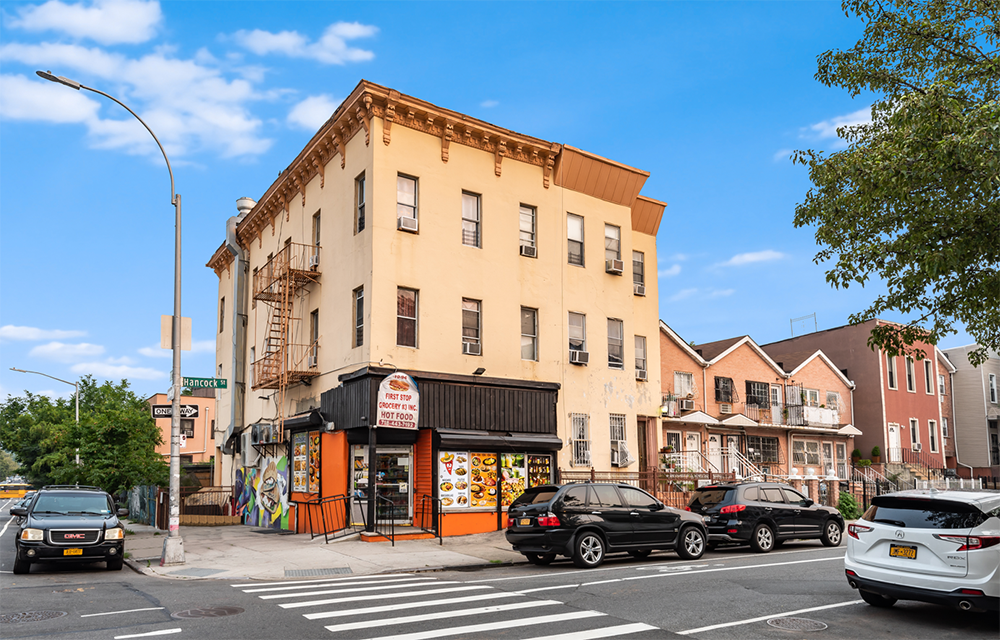
Investment Property Realty Group closes $1.75 million sale of 1094 Hancock Street in Brooklyn
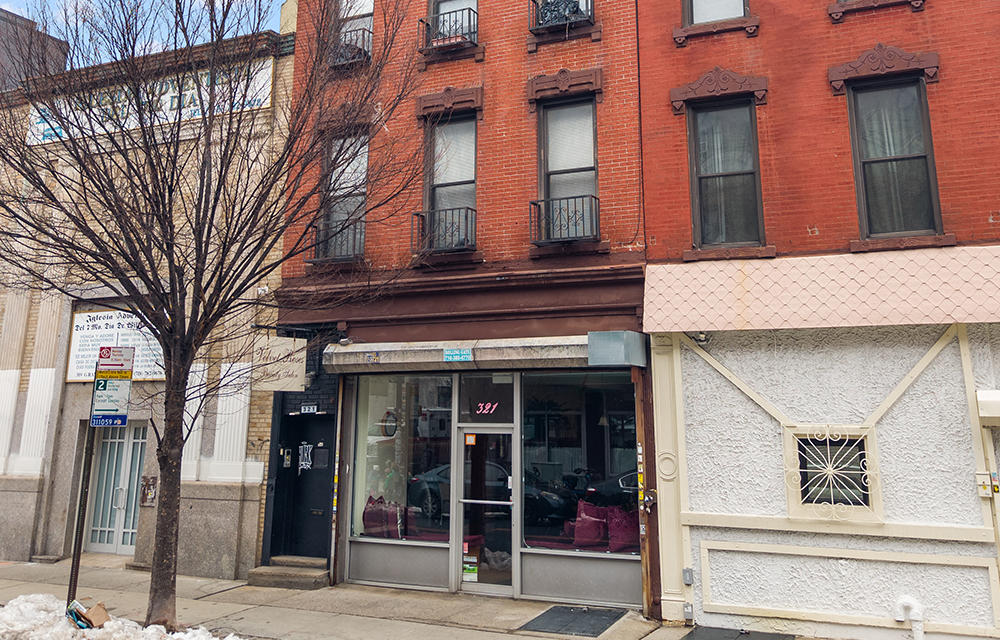
Brooklyn, NY Investment Property Realty Group (IPRG), a New York-based commercial investment firm, has closed the sale of 1094 Hancock St., a mixed-use building in the Bushwick section, for $1.75 million.



Columns and Thought Leadership

Hunt CRE question and answer: Choosing a real estate agent - by David Hunt
First, we will only work with one agent exclusively. The primary reason is that we want that agent to legally represent our client’s interests. In New York State, a real estate agent has a fiduciary

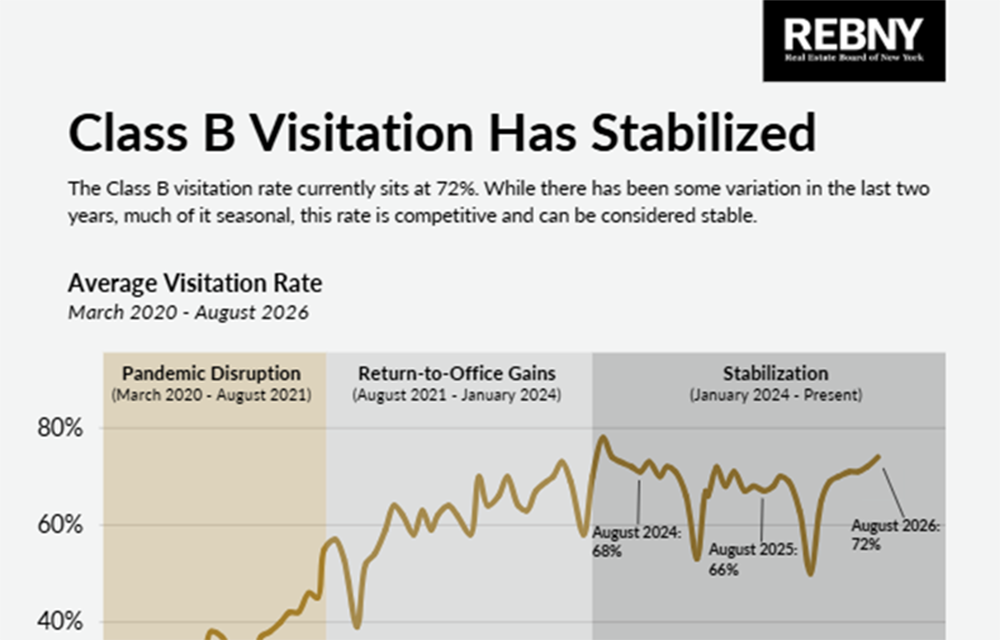
New York’s streets are full again, and the retail numbers prove it - by Noam Aziz
Walk down any New York block this year and you can feel it. The sidewalks are crowded, the storefronts are lit, and the energy that defines this city is back at full volume.

A guide to finding the right NYC property management company - by Sanjay Gandhi
Being a small to midsize landlord in NYC is an increasingly demanding endeavor. From navigating complex regulations, increased compliance demands to dealing with tenant issues and remediating violations. It is wise to enlist the assistance of a partner, a professional

Hunt commercial real estate question and answer: Fortune 500 wisdom - by David Hunt
Yes, there are lessons to be learned from the largest companies in America when comes to managing your real estate. But the decision to buy or lease real estate may not be one of
.gif)