AKRF



 (2).gif)
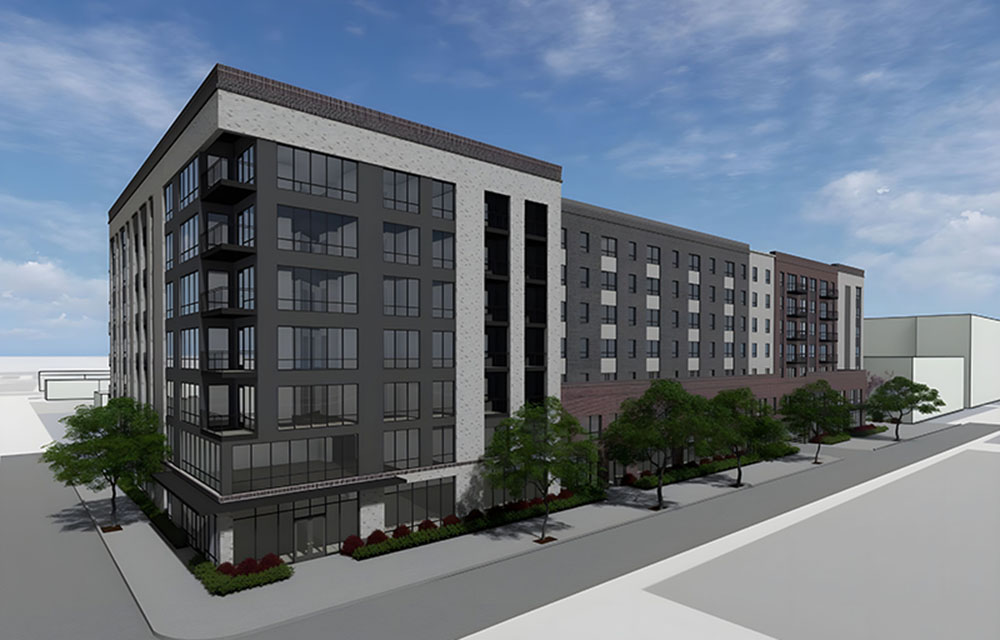
Adaptive reuse, or the continued use of a building for a new and redefined purpose, continues to gain prominence in residential and commercial land development. Often associated with historic or culturally significant structures, adaptive reuse has been employed as a land use and real estate strategy to combat urban sprawl, promote sustainable design, and revitalize underutilized commercial or industrial zones.
The American Planning Association’s Policy Guide on Public Redevelopment calls for “the adaptive reuse of historic structures to provide an alternative to demolition and new construction that preserves culturally and historically significant community resources.” Supporting the adaptive reuse of buildings and facilities through planning, engineering, and environmental services is a recurring theme in the thirty-five-year history of AKRF. Environmental planners and engineers at AKRF, including Nina Peek, AICP, and Colleen Griffiths, have put these policies into practice throughout New York.
Peek, a vice president at AKRF specializing in land use and community planning, has been involved with adaptive reuse projects throughout her career in the municipal planning and real estate market. “Planners concerned with environmental sustainability, community character, and context-sensitive solutions enjoy working with what we’ve got on a site rather than knocking everything down,” said Peek. “This can be challenging in urban environments, but we try to capitalize on existing buildings where possible through the reuse of architectural or structural elements.”
Peek is currently working on a proposal to redevelop the 16-acre former Good Counsel site in White Plains to support a mix of residential, assisted living, and dormitory uses on a single parcel. Nina is also working on the proposed adaptive reuse of a former psychiatric center in the northern Hudson Valley that, when completed, will activate a vacant site and bring much-needed housing and amenities to the local community.
Griffiths, a senior technical director at AKRF, is focused on the assessment and remediation of hazardous materials commonly found in commercial office buildings, residential buildings, and construction sites. Griffiths, too, works on adaptive reuse projects in New York, bringing experience in the performance of Phase I environmental site assessments, remediation of lead and asbestos in existing buildings, and thermal explosive hazards surveys.
Griffiths contributed to adaptive reuse of the Randolph Houses in Manhattan — the first phase of which earned a Lucy Moses Preservation Award in 2017 from the New York Landmarks Conservancy — that necessitated asbestos and lead-paint surveys of 36 buildings. She also provided environmental consulting services for the renovation and adaptive reuse of the Our Lady of Lourdes rectory building in Brooklyn to create affordable housing and community facility space.
Adaptive reuse isn’t going anywhere, as renewed urbanization creates newfound demand for affordable housing in the smart and sustainable growth of New York City and neighboring communities. Peek and Griffiths, along with their AKRF colleagues, are up for any opportunity or challenge.

.png)

 (2).gif)