



News:
Brokerage
Posted: October 17, 2017
New York City administrative real estate tax assessment protests must be filed by October 24th - by Peter Blond

Brandt, Steinberg, Lewis & Blond LLP
While New York may seem far removed from the recent extreme weather that has forever changed places like Houston, the Florida Keys, Puerto Rico & Barbuda; Sandy was only five years ago. Sandy hit the New York area on October 29th, 2012. In New York City, unresolved administrative real estate tax assessment protests must convert to supreme court petitions - by state law - by October 24th each year. Accordingly, failure to file a supreme court petition by the 24th effectively concludes the current tax year’s protest.
Despite recent history, October still generates hundreds of client requests as to the status of their annual protest and, more importantly, the likelihood of a favorable result. Too many property owners focus merely on the prospect, and timeframe, of a reduction instead of the security afforded by a supreme court petition. For instance, in the era of litigation, anyone performing as a fiduciary should think carefully about “skipping” a petition to save approximately a few hundred dollars (supreme court - via the county clerk – charges $210 just to purchase the required index number).
In early November of 2012, many clients called us to report damage or complete destruction of their properties. The question each client asked was the same, “what can we do about the real estate taxes?” I had to unfortunately inform several clients that nothing could formally or legally be accomplished until the succeeding tax year, because they chose not to file the supreme court petition by the 24th. Obviously, affected clients who filed the petition received opportunities for a reduction premised largely on hindsight.
Unlike 2012, when the macro financial situation was strong and improving, a perfect storm of financial sorts is now appearing on the horizon. Even a casual real estate observer can’t help but notice the large increase in retail vacancies city-wide. To those tracking industry performance, for the first time in almost a decade, the numbers are retreating. To those in the business, lending is starting to look a bit like it did before 2008. Renowned economists, financial analysts and others are announcing imminent financial Armageddon. Geopolitical factors are also far worse today than they have been in quite some time. If most meteorologists are forecasting a hurricane you would hope the viewing audience is taking every precaution. Frequently, despite 100% proof to the contrary, many people choose to believe the markets will only go up.
Similar to property owners that failed to file a petition by October 24th, 2012, will be owners that choose not to file this year because they are only looking in the rearview financial mirror. Pinpointing the next Lehman Brothers type event is unlikely. Even experienced operators sometimes presume their property won’t receive a reduction because they understand how the city analyzes their annual income and expenses. What many fail to realize is that same rearview mirror can serve them well down the road if the property suddenly stops performing at or above market.
For example, property A is a mixed use Manhattan rental apartment building that is performing very well largely due to a high rent retail tenant on the ground floor. The owner of property A decides not to file a 2017/18 supreme court petition to continue their protest. On November 1st, the owner of property A receives written notice that the retail tenant is bankrupt and they vacate immediately. Now, property A is losing not only significant base rent but likely real estate tax overages which resulted from years of higher collections. The property is suddenly in distress unless a new retail tenant, at equal rent or greater, is secured quickly.
The New York City tax year runs from July 1st to the following June 30th. In this example, the landlord will go without rent and possibly an entire year of overages. It is important to note, that each upcoming New York City tax year is valued as of January 5th that calendar year (also known as the taxable status date). Accordingly, events which negatively impact a property’s value occurring after January 5th may not be recoverable under strict constructionism. Having said that, legal options are empowering under any circumstances and it’s difficult to ignore a distressed situation even if it technically falls after the taxable status date.
Put simply, if property A’s owner files a petition there are options both legal and from an equity point of view, should significant negative events unfold after taxable status date or after October 24th each year. In the end, clients should enable their certiorari attorneys to protect their interests as fully as possible for both the known and unknown events constantly affecting property values.
Peter Blond, Esq. is a partner at Brandt, Steinberg, Lewis & Blond LLP and the chair of the NYC Bar committee on condemnation & tax certiorari, New York, N.Y.
Tags:
Brokerage
MORE FROM Brokerage
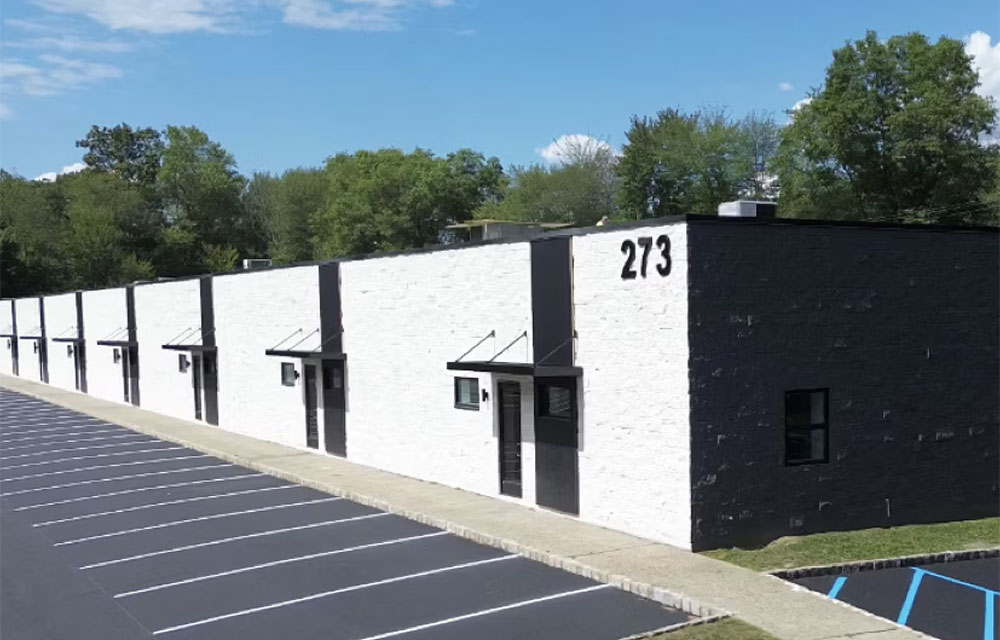
Resource Realty of Northern NJ delivers complete lease-up of 235 Franklin Rd. for Commerce Park Investors
Randolph, NJ Resource Realty of Northern New Jersey (RRNNJ) has completed the lease-up of a 10-unit small-bay industrial property at 273 Franklin Rd., marking the culmination of an investment strategy that began



Quick Hits
 (2).gif)

Columns and Thought Leadership

Hunt commercial real estate question and answer: Fortune 500 wisdom - by David Hunt
Yes, there are lessons to be learned from the largest companies in America when comes to managing your real estate. But the decision to buy or lease real estate may not be one of

New York’s streets are full again, and the retail numbers prove it - by Noam Aziz
Walk down any New York block this year and you can feel it. The sidewalks are crowded, the storefronts are lit, and the energy that defines this city is back at full volume.

Positive forecast for New York’s pro-housing push? - by Philip Butler
New York’s housing crisis remains a hot button topic despite growing consensus that varied and affordable housing is desperately needed statewide. Governor Hochul has recently introduced several initiatives to overcome N.Y.’s anti-housing

A guide to finding the right NYC property management company - by Sanjay Gandhi
Being a small to midsize landlord in NYC is an increasingly demanding endeavor. From navigating complex regulations, increased compliance demands to dealing with tenant issues and remediating violations. It is wise to enlist the assistance of a partner, a professional
.gif)