



News:
Construction Design & Engineering
Posted: November 12, 2013
New hazard communication standard for chemical handling: Train your employees by December 1st
With many countries implementing numerous labeling systems and chemical handling requirements a need arose for one global standard that could help usher in an era of safety and stability in the chemical handling industry. In the United States alone there are classification and labeling of chemical requirements for numerous agencies such as the Occupational Safety and Health Administration (OSHA), Consumer Product Safety Commission, the Environmental Protection Agency and the Department of Transportation.
OSHA's Hazard Communication Standard (1910.1200) requires that all employers develop a written Hazard Communication Program to cover issues of chemical safety in the workplace. The program needs to include information about chemical labels, MSDS sheets, safe work procedures/practices and how the employer will train workers exposed to those chemicals.
In 2012, OSHA revised the Hazard Communication Standard and decided to implement the Globally Harmonized System (GHS). The GHS was created by the United Nations to help bring a focus on hazard communication, provide for agreed upon criteria for classification of chemical hazards, and develop a standardized approach to labeling elements and safety data sheets.
There are a large number of varying requirements around the world that create potential barriers to trade in chemicals, particularly for small businesses. A harmonized and consistent approach has benefits both in terms of protection and trade.
The two most noticeable changes under the new standard will include a new chemical labeling system and the standardization of MSDS sheets (which will be now called SDS sheet).
According to OSHA, employers will have to train their employees on those changes by December 1st.
Also all chemical distributors, manufacturers and importers need to implement this new system by December 1st, 2015. The existing labels, like NFPA diamonds and HMIS labels will not be allowed after December 1st , 2015.
The GHS training that TSCTA provides was prepared to help employers understand new changes and also to educate employees about the new system. In this seminar, students will learn the information presented to employees through the written mediums of labels and safety data sheets, and will learn how to apply this information in their workplace. Labels and safety data sheets will only be successful when employees understand the information presented and are aware of the actions that should be taken to avoid or minimize exposure, and thus the occurrence of adverse effects.
Dawid Ditrich is a safety instructor at TSC Training Academy, Long Island City, N.Y.
MORE FROM Construction Design & Engineering
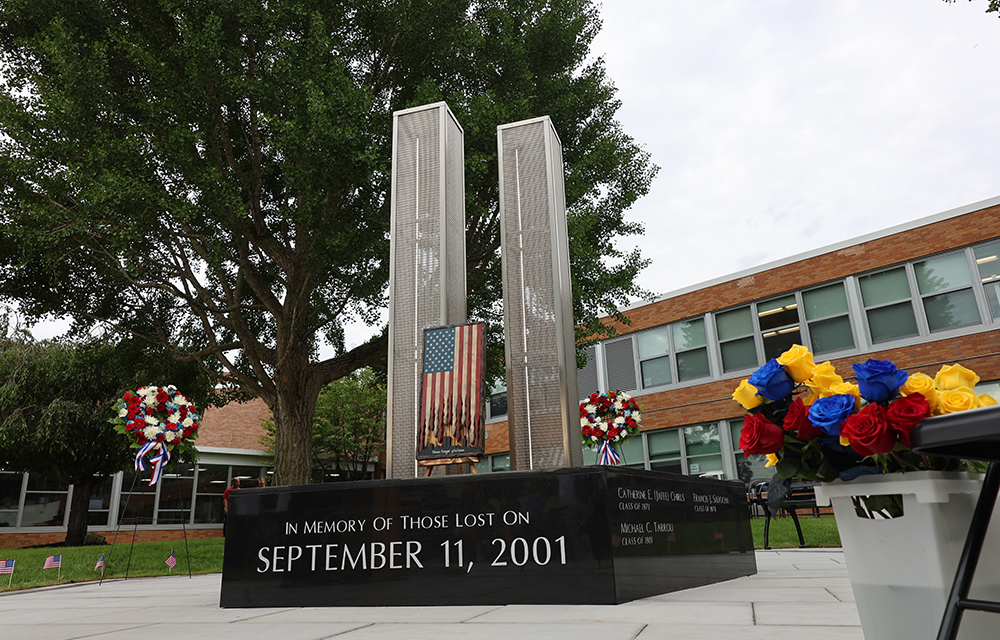
MDS Architecture designs memorial to pay tribute to those lost on September 11
Wantagh, NY A new 9/11 memorial designed as a lasting place of reflection, remembrance and resilience was formally dedicated on September 11, 2026 at Wantagh High School, honoring those who lost their lives in the 9/11 terrorist attacks and ensuring their memory will be carried forward for generations.







Columns and Thought Leadership

We support green construction. Just not this kind - by Tammy Smith
Most people think of St. Patrick’s Day as a fun footnote on the calendar. In construction logistics, however, it’s a full-scale operational variable — especially if your work touches major metro areas with major parades and, let’s call it what it is, enthusiastic celebrants.

Premium experiences, proven returns: The New revenue playbook for sports venues - by Terry McIntyre
Investing in the Fan Experience as a Revenue Strategy The sports and entertainment venues that bet on premium experiences years ago are now seeing those investments pay off in packed seats, increased revenue, and industry recognition.
