



News:
Brokerage
Posted: November 15, 2016
New city commercial tenant harassment law by Thomas Kearns
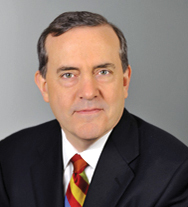 Tom Kearns, Olshan Frome Wolosky
The New York City Council recently passed a law prohibiting harassment of commercial tenants with the intent of causing the tenant to vacate the property or surrender or waive any rights under its lease. Prohibited actions include using force or implied force, interruption of access or services, repeated frivolous court proceedings and changing locks.
While press reports quote council members as claiming the law was designed to protect “mom and pop” tenants, the law itself applies to all tenants including powerful tenants with bargaining power. The statute authorizes tenants to sue for damages including punitive damages, attorneys’ fees and a fine of up to $10,000.
As courts start to interpret the law, landlords should consider taking practical steps to protect themselves from future claims.
First, include an express waiver of the law in new leases and lease amendments. Waivers are enforceable if the waiver does violate public policy. It is unclear whether the law will be determined by the courts to rise to the level of “public policy,” but as a starting matter it behooves a landlord to try to obtain a waiver. Consider including with the waiver a confirmation of the landlord’s contractual duties so as to not unduly cause the tenant concern. For example, “Such waiver shall not affect landlord’s contractual obligations under this lease.”
The law prohibits “unnecessary” repairs or repeated or extended interruptions of building services which interfere with a tenant’s business. Keep good records of the reasons for performing repairs to avoid future claims that the repairs were “unnecessary.” For service interruptions, keep records of the reason for the interruption and the steps taken to cure the problem. Expert reports, photos and similar documentary evidence relating to repairs and service interruptions should be preserved. The statute invites regular reports to the tenants advising the tenants of the landlord’s efforts to promptly correct any condition or service interruption affecting a tenant, “where appropriate.” Consider providing regular written reports to the affected tenants.
Never even joke about trying to push out a tenant by harassing the tenant to terminate a lease early. Be very careful and get legal advice before contacting a tenant about whether the tenant would be interested in surrendering its lease early. Don’t litigate over non-substantial defaults if you have a concern that a tenant may use the statute to charge harassment. Imagine a court’s reaction to a landlord giving a notice of default to a tenant with a valuable lease sent shortly after an unsuccessful meeting to negotiate a buyout of the lease!
Treat all tenants affected by the same building issue equally regardless of the amount of rent they are paying or the term remaining on their leases. A repair of a roof leak affecting a favored tenant while ignoring a roof leak on a disfavored tenant might be evidence of harassment.
Perhaps, most of all, be sure your employees and agents are aware of the new law and sensitive to the possible repercussions.
Thomas Kearns is a partner at Olshan Frome Wolosky LLP, New York, N.Y.
Tags:
Brokerage
MORE FROM Brokerage
Marcus & Millichap releases fourth-quarter 2026 NYC industrial market report
Manhattan, NY Marcus & Millichap has published its fourth-quarter 2026 New York City Industrial Market Report. “New York City’s industrial market is showing a clear







Columns and Thought Leadership

The art of investing in real estate - by Thomas Donovan
Real estate investing is as much an art as it is a skill. No one can time the market, or the factors that drive it, perfectly. Location, zoning, size, transportation, and neighborhood density give you a baseline for

Hunt CRE question and answer: Choosing a real estate agent - by David Hunt
First, we will only work with one agent exclusively. The primary reason is that we want that agent to legally represent our client’s interests. In New York State, a real estate agent has a fiduciary

New York’s streets are full again, and the retail numbers prove it - by Noam Aziz
Walk down any New York block this year and you can feel it. The sidewalks are crowded, the storefronts are lit, and the energy that defines this city is back at full volume.

Hunt commercial real estate question and answer: Fortune 500 wisdom - by David Hunt
Yes, there are lessons to be learned from the largest companies in America when comes to managing your real estate. But the decision to buy or lease real estate may not be one of
.gif)