



News:
Brokerage
Posted: May 14, 2024
Networking is important and can be fun - by Harry Zlokower
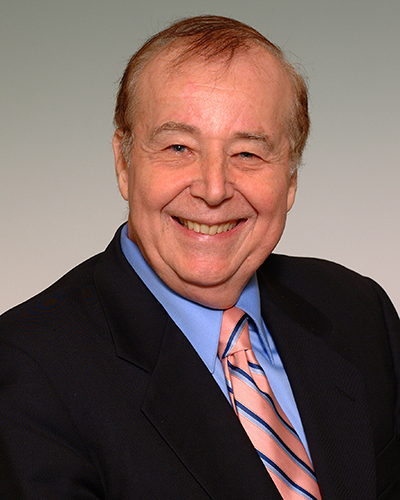
One of the few marketing and public relations arts that does not seem to change much over the years is networking to make and develop good business development contacts, often at conferences and meetings but seemingly anywhere including parties, events, airplane trips, and online.
Some people are really good at it, but many, present company included, can find this real time marketing daunting. What do you say? How do you make contacts and build worthwhile relationships at a lunch, conference or party?
“Practice, practice and practice,” advises Lisa Chau, coach and author of “Small Talk Techniques: Smart Strategies for Personal and Professional Success” (Rockridge Press) who spoke at a recent Zoom event I attended at the Dartmouth Club of New York. Ms. Chau emphasized small talk is a skill and those who are good at it spend some time doing it. Look for polite conversation starters, share some ideas. Ask yourself, “Why should people get to know me?” A point to consider: Be ready to volunteer comments without the need for reciprocation. Look for a reason, if appropriate, to follow up, something you both have in common, a deal you share interest in or a service one or both may wish to offer the other.
I hasten to add, bring plenty of business cards and/or some takeaway that your contacts can keep to remember you. At the same time record the identity and affiliation of your contact, even if it means jotting notes or posting to your phone. A key is to find things in common: job, family, location, the market or program at a particular conference you are attending. Have fun and understand that an overriding outcome of networking can be “luck”. But unless you get out there, nothing can happen. “Luck,” said Ms. Chau “is important for success.”
Harry Zlokower is a real estate public relations consultant based in New York.
Tags:
Brokerage
MORE FROM Brokerage

200E20TH sells out in Gramercy, penthouse A closes out sales at the CetraRuddy-designed condominium residences
Manhattan, NY 200E20TH, the CetraRuddy-designed architectural masterwork that brought a curved, contemporary sensibility to Gramercy’s Beaux-Arts streetscape, has





Quick Hits
 (2).gif)

Columns and Thought Leadership

Hunt commercial real estate question and answer: Fortune 500 wisdom - by David Hunt
Yes, there are lessons to be learned from the largest companies in America when comes to managing your real estate. But the decision to buy or lease real estate may not be one of

The art of investing in real estate - by Thomas Donovan
Real estate investing is as much an art as it is a skill. No one can time the market, or the factors that drive it, perfectly. Location, zoning, size, transportation, and neighborhood density give you a baseline for

Hunt CRE question and answer: Choosing a real estate agent - by David Hunt
First, we will only work with one agent exclusively. The primary reason is that we want that agent to legally represent our client’s interests. In New York State, a real estate agent has a fiduciary

New York’s streets are full again, and the retail numbers prove it - by Noam Aziz
Walk down any New York block this year and you can feel it. The sidewalks are crowded, the storefronts are lit, and the energy that defines this city is back at full volume.
.gif)