



News:
Brokerage
Posted: December 12, 2023
Navigating the waves: The cyclical nature of real estate and marketing - by Kimberly Zar Bloorian

The commercial real estate market is a perpetual ebb and flow of highs and lows, and any player can attest to its cyclical nature. As the market oscillates, real estate professionals question whether their marketing strategies should mirror the market’s ups and downs.
Currently, interest rates are high and the market has not promptly caught up, leaving real estate in a state of lag. During market upswings, expenditures increase as players seize the opportunity to invest, but when the market takes a downturn, real estate professionals are faced with the dilemma of how to navigate such conditions.
One pivotal question arises: Should my marketing efforts come to a screeching halt during these challenging periods, or should they persist, but with diminished intensity?
The answer lies in maintaining consistency, even if it means dimming the marketing flame rather than extinguishing it entirely.
Shutting down the marketing engine during a market dip unnecessarily squanders your hard-earned momentum. In an industry where visibility is key, a sudden disappearance from the marketing landscape can lead to a loss of traction and brand presence. Instead, it’s wisest to strike a balance that recognizes market’s changes while maintaining a steady, though modified, marketing presence.
Collaborating closely with your marketing team or agency becomes crucial during these times. Here are some strategies to guide your marketing efforts during challenging periods:
1. Explore Cost-Effective Alternatives: Transition from traditional print media to digital marketing. The digital landscape offers a plethora of opportunities to reach wider audiences at a fraction of the cost.
2. Evaluate and Track Metrics: Real-time metrics enable you to constantly evaluate the impact of your marketing. Understanding the impact enables you to make campaign adjustments to optimize your marketing.
3. Consider Shifting Focus: Shift from paid advertising to organic social media efforts. While paid campaigns can be effective, they often carry hefty price tags. During market downturns, when budgets might be under scrutiny, organic social media engagement provides a more sustainable and affordable avenue for maintaining visibility.
The key lies in adaptability. Commercial real estate professionals must be agile in adjusting their marketing strategies to align with the market’s cyclical nature. The goal is not to succumb to the inertia of a downturn but to emerge stronger by strategically navigating the waves. Dimming the marketing flame instead of extinguishing it helps sustain a continuous presence, ensuring that when the market tide turns, you’re not left struggling to reignite lost momentum during a period of dormancy.
Kimberly Zar Bloorian is the founder and CEO of Kloud Marketing Great Neck, NY.
Tags:
Brokerage
MORE FROM Brokerage
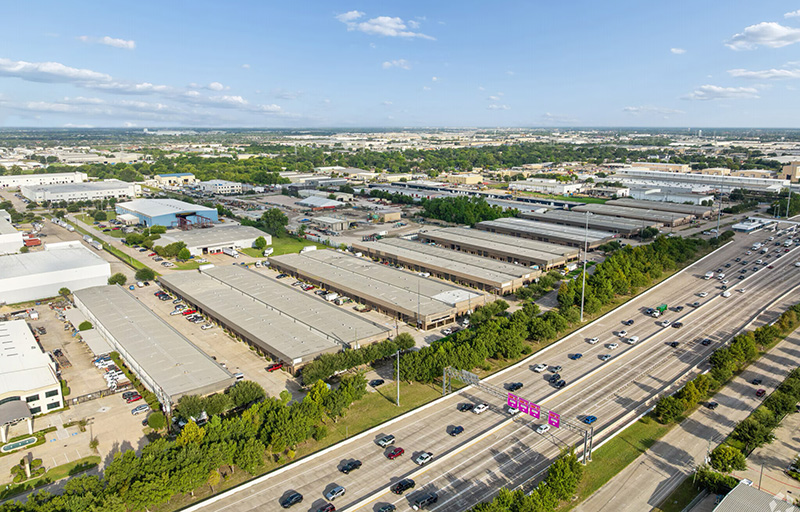
Simi Capital enters Texas with acquisition of 359,000 s/f small-bay industrial portfolio in Northwest Houston
Houston, TX Simi Capital acquired a three-property, 359,000 s/f small-bay industrial portfolio. The transaction, completed in a joint venture with Decker Capital, marks Simi


Quick Hits
 (2).gif)

Columns and Thought Leadership

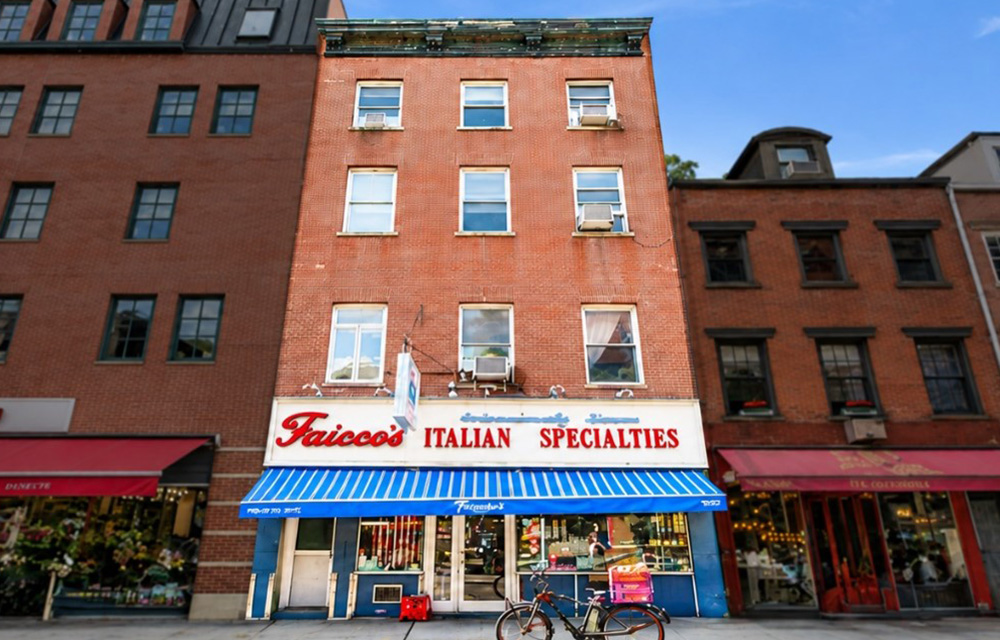
A guide to finding the right NYC property management company - by Sanjay Gandhi
Being a small to midsize landlord in NYC is an increasingly demanding endeavor. From navigating complex regulations, increased compliance demands to dealing with tenant issues and remediating violations. It is wise to enlist the assistance of a partner, a professional

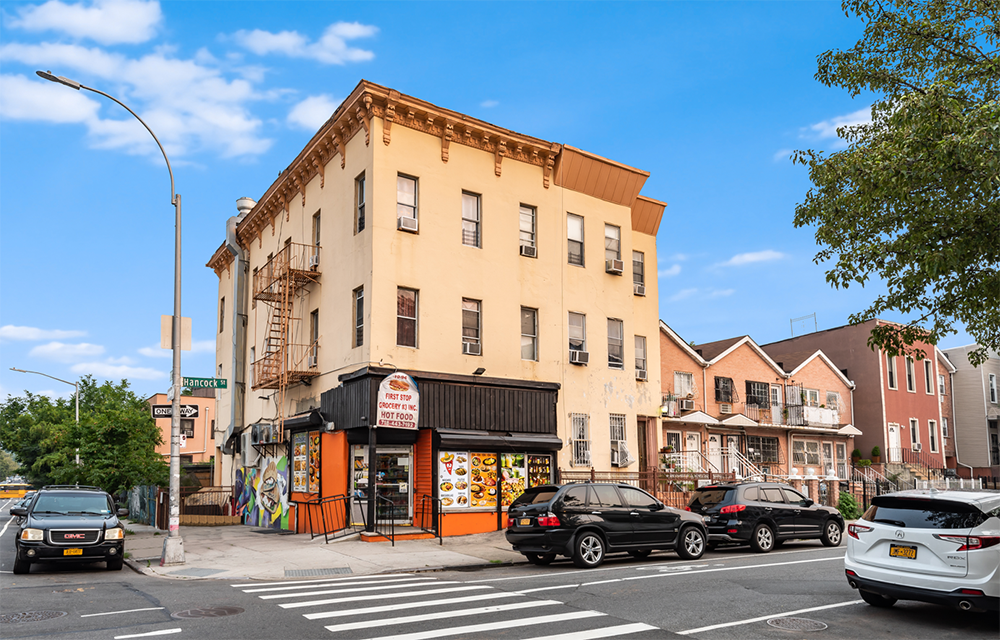
Hunt commercial real estate question and answer: Fortune 500 wisdom - by David Hunt
Yes, there are lessons to be learned from the largest companies in America when comes to managing your real estate. But the decision to buy or lease real estate may not be one of

Hunt CRE question and answer: Choosing a real estate agent - by David Hunt
First, we will only work with one agent exclusively. The primary reason is that we want that agent to legally represent our client’s interests. In New York State, a real estate agent has a fiduciary

New York’s streets are full again, and the retail numbers prove it - by Noam Aziz
Walk down any New York block this year and you can feel it. The sidewalks are crowded, the storefronts are lit, and the energy that defines this city is back at full volume.
.gif)