



News:
Brokerage
Posted: May 25, 2010
NAIOP New York State chapters visit state capitol - May 4
Leaders from the three NAIOP New York chapters and NAIOP corporate headquarters visited the state capitol in Albany on May 4.
Throughout the day, NAIOP members met with key legislative and committee members in the State House to discuss the issues that most affect commercial real estate development in the state of New York, including:
NYS Empire Zone Program and the 485-e local property tax option. These programs have played important roles in attracting and growing business in the state. Replacement legislation for the Empire Zone program must continue to focus on the creation of quality jobs, capital investment and economic investment while ensuring that it remain as flexible as possible to meet the unique needs of both Upstate and Downstate New York.
Another important issue the group discussed was IDA Reform that would significantly increase the overall cost of IDA-benefitted projects. Accordingly, NAIOP opposes the living-wage and prevailing-wage requirements as proposed by the assembly and senate. In their opinion, these requirements will accomplish nothing but to inflate already high construction costs and force business to locate outside of the state where costs are lower.
The Wetlands bill was a point of discussion during the visits. As it currently reads, the bill reduces state oversight from 12.5 acres down to 1 acre. NAIOP does not support increases in NYDEC jurisdiction of wetlands as found in the current legislation. Instead, NAIOP supports wetlands legislation that creates criteria that is reproducible and scientifically defensible. This is a tremendously difficult time for development in the state and the results of this proposed legislation would be devastating.
The leadership of all three chapters pointed out that NAIOP also supports the expansion of the Tax Increment Financing "TIF" program in New York (Assembly 2378/Senate 1716) to allow for the use of school real property taxes for TIF development projects. Used in conjunction with IDA and other economic development programs, an expanded TIF program would be an important driver of future economic growth throughout NYS.
Of importance, especially to Upstate New York, is the Scaffold Law. This is of great concern to their industry. Legislation is needed that makes the worker responsible for their own negligence when the accident is the result of their own criminal, wrongful, or negligent behavior. Absolute liability and refusing the owner the right to defend themselves in court is unconstitutional. NAIOP supports a healthy and safe environment for contractors and can provide necessary liability coverage without the burden of this mandate.
Leadership from the Upstate New York chapter included Thomas Thaney (president, NAIOP Upstate New York chapter), Laura Zaepfel (Uniland Development Copmany), government affairs chair, Roberta Jordans (Harris Beach, PLLC), government affairs co-chair, Gregg Merlihan (Greenman-Pdersen Inc.), government affairs co-chair, David Topian (Westminster Real Estate Advisors), membership chair, Karen McCready (NAIOP Upstate New York Chapter), executive director. Aquiles Suarez (vice president of government affairs) from NAIOP Corporate also joined the New York State chapters.
Tags:
Brokerage
MORE FROM Brokerage
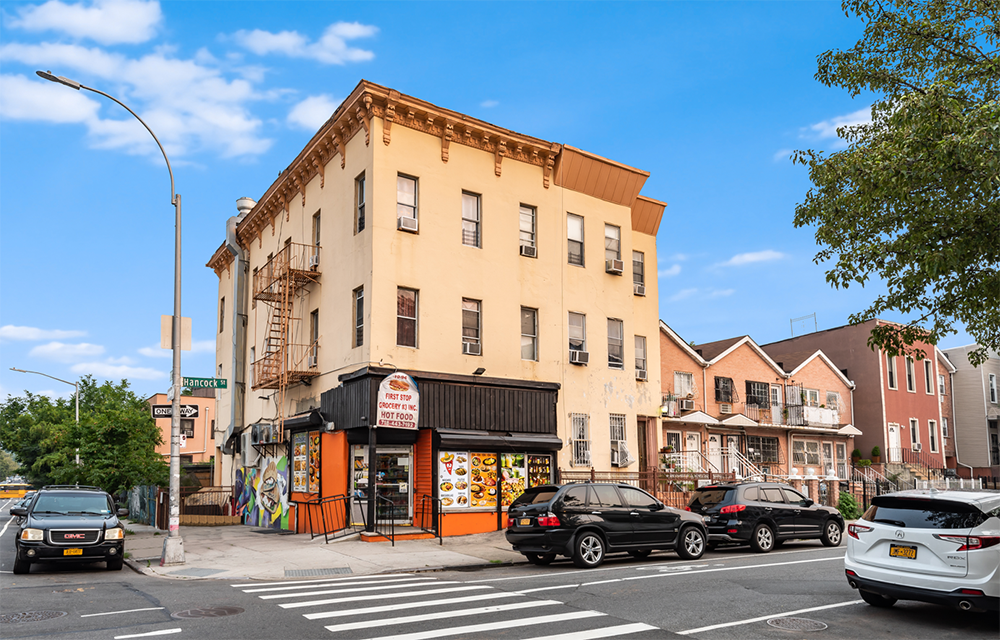
Investment Property Realty Group closes $1.75 million sale of 1094 Hancock Street in Brooklyn
Brooklyn, NY Investment Property Realty Group (IPRG), a New York-based commercial investment firm, has closed the sale of 1094 Hancock St., a mixed-use building in the Bushwick section, for $1.75 million.




Quick Hits
 (2).gif)

Columns and Thought Leadership

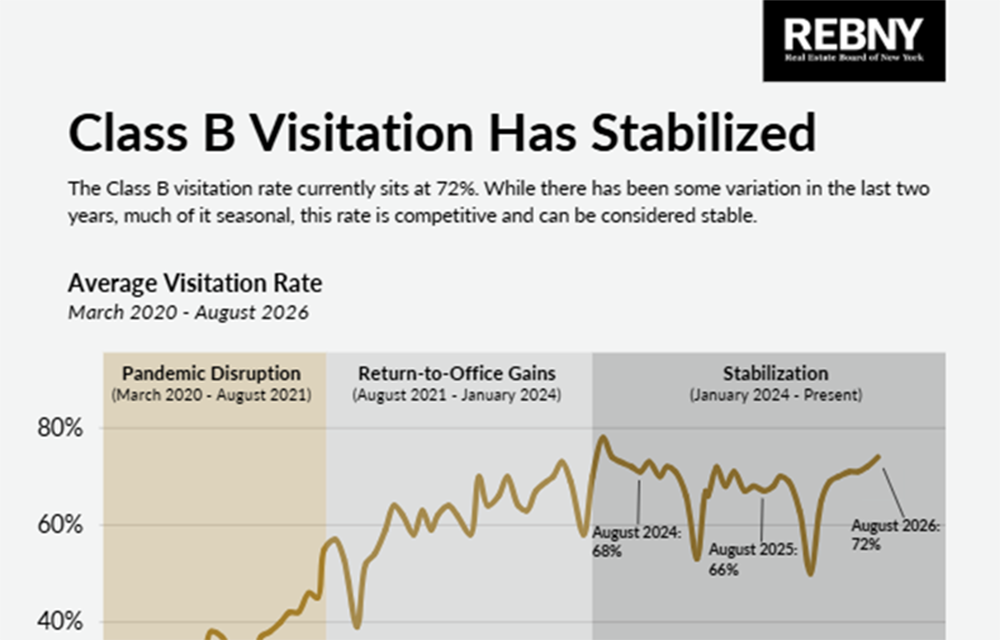
New York’s streets are full again, and the retail numbers prove it - by Noam Aziz
Walk down any New York block this year and you can feel it. The sidewalks are crowded, the storefronts are lit, and the energy that defines this city is back at full volume.

Hunt CRE question and answer: Choosing a real estate agent - by David Hunt
First, we will only work with one agent exclusively. The primary reason is that we want that agent to legally represent our client’s interests. In New York State, a real estate agent has a fiduciary

Hunt commercial real estate question and answer: Fortune 500 wisdom - by David Hunt
Yes, there are lessons to be learned from the largest companies in America when comes to managing your real estate. But the decision to buy or lease real estate may not be one of

A guide to finding the right NYC property management company - by Sanjay Gandhi
Being a small to midsize landlord in NYC is an increasingly demanding endeavor. From navigating complex regulations, increased compliance demands to dealing with tenant issues and remediating violations. It is wise to enlist the assistance of a partner, a professional
.gif)