



News:
Brokerage
Posted: March 25, 2020
NAIOP: $2 trillion economic stimulus bill designed to provide relief
New York, NY This morning, Senate and House leaders and the White House reached agreement on a $2 trillion economic stimulus bill designed to provide relief to individuals, businesses, and state and local governments. Coupled with steps taken by the Federal Reserve, these unprecedented actions are meant to stabilize and prevent any further damage the economy.
The legislation is expected to take the following actions important to the commercial real estate industry:
- Provides a technical correction to the Qualified Improvement Property (QIP) depreciation drafting error from the 2017 Tax Cuts and Jobs Act that resulted in a 39-year depreciation period for QIP, rather than making it eligible for immediate expensing. This correction is a top NAIOP federal priority and its inclusion is a result of our efforts over the last two years.
- Allows 5-year carryback of net operating losses (NOL) for non-REIT businesses for 2018, 2019 and 2020.
- Increases the limitation on deductible business interest from 30% to 50% of EBITDA (earnings before interest, taxes, depreciation, amortization) for 2019 and 2020. Excludes from income the cancellation of debt related to new, emergency small business loans.
- Provides small businesses, many of whom are your tenants, with $367 billion in loan assistance so they can keep employees on payrolls and continue paying obligations.
Additionally, the legislation would provide direct payments to many individuals and families, extend unemployment insurance and shore up social safety net programs.
The House must now vote on the legislation, which is complicated because of the need for Congressional members to travel back to Washington. Passage may instead occur through a "unanimous consent" procedure essentially requiring sign off from each member.
NAIOP's advocacy leadership throughout this difficult time is just one of the many ways the association is supporting members and the entire CRE industry. The legislative team will continue its critical work alongside elected officials and real estate allies to ensure that our industry has a voice in the discussions. Be assured that NAIOP is here to support everyone during these extraordinary times.
CLICK HERE to visit NAIOP's website for more industry news.
Tags:
Brokerage
MORE FROM Brokerage
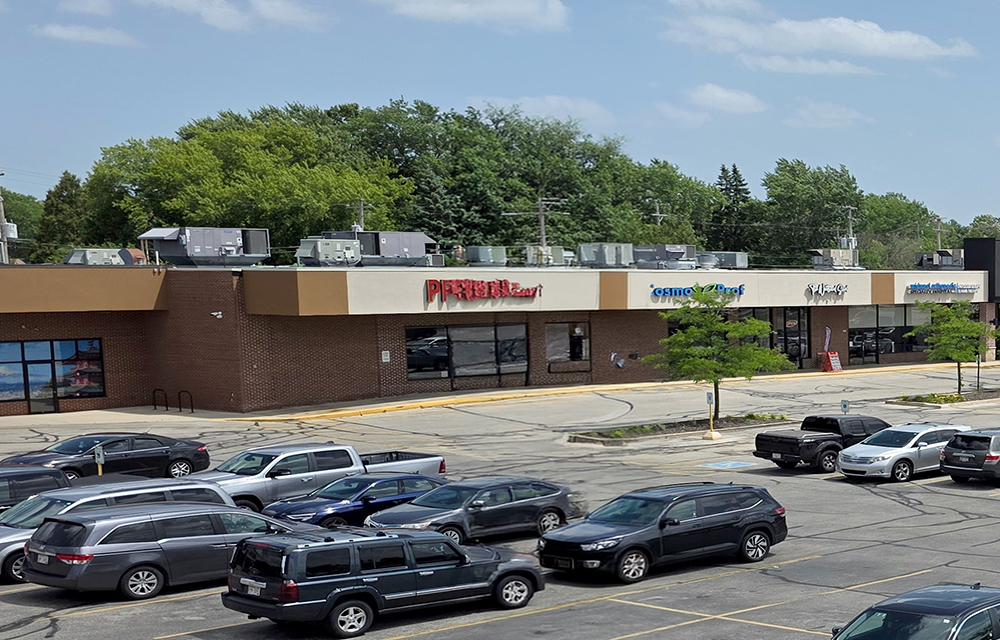
United Properties Corp. expands Wisconsin and Illinois retail presence adding 200,000 s/f
West Allis, WI United Properties Corp. completed two retail acquisitions totaling $27.4 million across Illinois and Wisconsin, adding 205,000 s/f of shopping center space to its portfolio





 (2).gif)

Columns and Thought Leadership

New York’s streets are full again, and the retail numbers prove it - by Noam Aziz
Walk down any New York block this year and you can feel it. The sidewalks are crowded, the storefronts are lit, and the energy that defines this city is back at full volume.

Positive forecast for New York’s pro-housing push? - by Philip Butler
New York’s housing crisis remains a hot button topic despite growing consensus that varied and affordable housing is desperately needed statewide. Governor Hochul has recently introduced several initiatives to overcome N.Y.’s anti-housing

A guide to finding the right NYC property management company - by Sanjay Gandhi
Being a small to midsize landlord in NYC is an increasingly demanding endeavor. From navigating complex regulations, increased compliance demands to dealing with tenant issues and remediating violations. It is wise to enlist the assistance of a partner, a professional

Hunt commercial real estate question and answer: Fortune 500 wisdom - by David Hunt
Yes, there are lessons to be learned from the largest companies in America when comes to managing your real estate. But the decision to buy or lease real estate may not be one of
.gif)