



News:
Brokerage
Posted: October 29, 2012
N.Y. establishes outstanding tax credit program for taxpayers that remediate/develop contaminated sites
Brownfield tax incentives are critical tools to Brownfield cleanups and redevelopment because taxes incentives encourage cleanup Brownfield sites by allowing taxpayers to reduce their taxable income by the cost of eligible site cleanup expenses. Through such favorable tax treatment of cleanup costs, the incentive program aims to encourage Brownfield site redevelopment.
A taxpayer who cleans up a contaminated site and has entered into a Brownfield Clean-up Agreement (BCA) with the NYSDEC is eligible for NYS tax credits related to the clean-up and/or re-development costs.
Once a Certificate of Completion (COC) is obtained, the taxpayer is eligible for a tax credit of up to 50% dependent upon the level of remediation, location and type of taxpayer (personal or corporate).
The Brownfield Tax credits include: Site Preparation Costs: Covers remediation, demolition, excavation, fencing and security, wiring, scaffolding, and other capital account costs, to make the site usable for commercial, industrial, residential, etc.
Qualified Tangible Property Costs: Covers costs of buildings and improvements that are placed into service within 10 years after the CoC is issued.
Onsite Groundwater Remediation Costs: Covers costs that are incurred to implement a "remediation work plan" under the BCA.
HRP is a full service engineering firm specializing in Brownfield remediation. HRP's project portfolio demonstrates extensive experience working with the public and private sectors to complete Brownfields projects under State and Federal programs and private contracts. HRP has three decades of experience providing responsive solutions to private and public sector clients. Our services span the globe, as well as the full spectrum of environmental and civil engineering disciplines. Since 1982, HRP has provided flexible and customized service to over 6,000 industrial, government, and private sector clients in nearly every state and over twenty countries.
Tags:
Brokerage
MORE FROM Brokerage
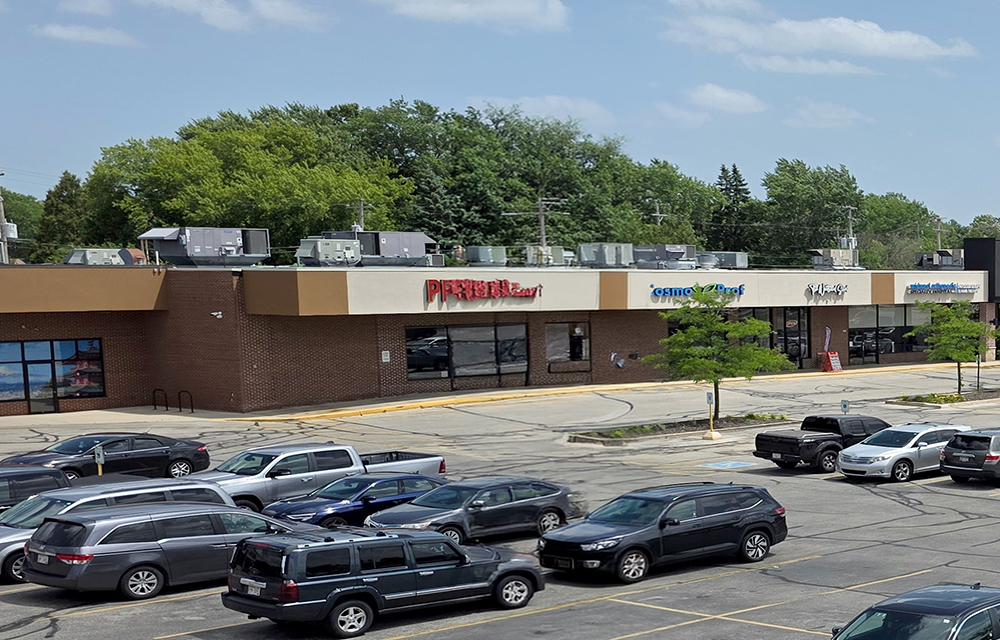
United Properties Corp. expands Wisconsin and Illinois retail presence adding 200,000 s/f
West Allis, WI United Properties Corp. completed two retail acquisitions totaling $27.4 million across Illinois and Wisconsin, adding 205,000 s/f of shopping center space to its portfolio




Columns and Thought Leadership

Hunt commercial real estate question and answer: Fortune 500 wisdom - by David Hunt
Yes, there are lessons to be learned from the largest companies in America when comes to managing your real estate. But the decision to buy or lease real estate may not be one of

Positive forecast for New York’s pro-housing push? - by Philip Butler
New York’s housing crisis remains a hot button topic despite growing consensus that varied and affordable housing is desperately needed statewide. Governor Hochul has recently introduced several initiatives to overcome N.Y.’s anti-housing

A guide to finding the right NYC property management company - by Sanjay Gandhi
Being a small to midsize landlord in NYC is an increasingly demanding endeavor. From navigating complex regulations, increased compliance demands to dealing with tenant issues and remediating violations. It is wise to enlist the assistance of a partner, a professional

New York’s streets are full again, and the retail numbers prove it - by Noam Aziz
Walk down any New York block this year and you can feel it. The sidewalks are crowded, the storefronts are lit, and the energy that defines this city is back at full volume.
.gif)