



News:
Brokerage
Posted: September 23, 2013
Morrows, Camhi, and Silverman of RFR complete 29,386 s/f lease with Nelson Levine De Luca & Hamilton at 17 State Street
RFR Realty LLC arranged a 29,386 s/f lease with Nelson Levine De Luca & Hamilton at 17 State Street, the iconic 42-story office tower located across the street from Battery Park. The architecturally-distinct skyscraper, notable within the Lower Manhattan skyline for its curved blue glass fa cade, is located in the heart of Downtown's Financial District. Nelson Levine, which inked a long-term lease for the entire 29th and 30th floors, is relocating from One Battery Park Plaza. This major new lease signing follows more than 90,000 s/f of leasing activity at 17 State Street over the past 12 months. Asking rents at the signature property are close to $60 per s/f.
"17 State Street is one of the premier office addresses in the Financial District," said Aby Rosen, co-founder and principal of RFR Holding LLC. "We are thrilled to welcome Nelson Levine De Luca & Hamilton, which will join other top names in the financial services, legal, media and technology arenas at this stellar property."
Designed by Emery Roth & Sons in 1988, 17 State Street is known for its distinct curved glass fa cade and signature 15,000 s/f boutique floors, and is widely considered one of Downtown's premier trophy towers. The property boasts exceptional, class A office space with unparalleled views of New York Harbor, the Statue of Liberty, Ellis Island and Battery Park. Since acquiring the property in 1999, RFR has executed a capital improvement program consisting of upgrades to the corridors, lobby and common areas, as well as a renovated plaza with contemporary landscaping, seating and lighting. RFR has also installed two striking Keith Haring sculptures and one dramatic modern art piece by Carsten Holler. The firm's high-end pre-built program has also attracted tenants to the property.
Situated at the corner of State and Pearl streets across from Battery Park, 17 State Street offers outstanding access to multiple modes of transportation. The property is close to multiple subway lines, ferries to Staten Island and New Jersey, the New York Water Taxi and the Downtown Heliport.
RFR was represented in the transaction by Steve Morrows, AJ Camhi and Ryan Silverman. Mohr Partners Inc.'s Lewis Cowan acted on behalf of the tenant in the lease negotiations.
Tags:
Brokerage
MORE FROM Brokerage
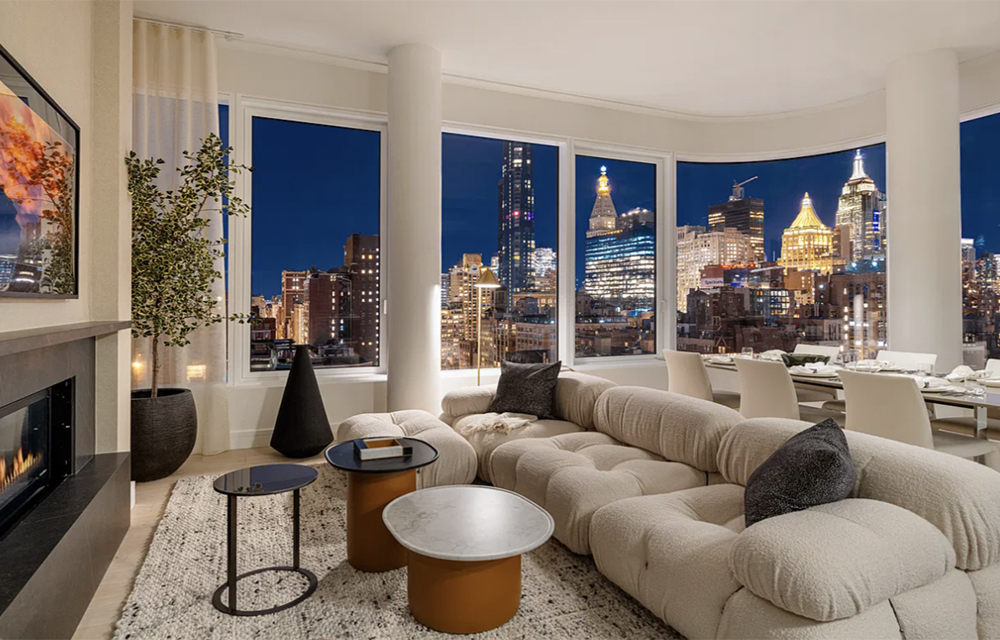
200E20TH sells out in Gramercy, penthouse A closes out sales at the CetraRuddy-designed condominium residences
Manhattan, NY 200E20TH, the CetraRuddy-designed architectural masterwork that brought a curved, contemporary sensibility to Gramercy’s Beaux-Arts streetscape, has



Quick Hits
 (2).gif)

Columns and Thought Leadership

Hunt commercial real estate question and answer: Fortune 500 wisdom - by David Hunt
Yes, there are lessons to be learned from the largest companies in America when comes to managing your real estate. But the decision to buy or lease real estate may not be one of

Hunt CRE question and answer: Choosing a real estate agent - by David Hunt
First, we will only work with one agent exclusively. The primary reason is that we want that agent to legally represent our client’s interests. In New York State, a real estate agent has a fiduciary

New York’s streets are full again, and the retail numbers prove it - by Noam Aziz
Walk down any New York block this year and you can feel it. The sidewalks are crowded, the storefronts are lit, and the energy that defines this city is back at full volume.

The art of investing in real estate - by Thomas Donovan
Real estate investing is as much an art as it is a skill. No one can time the market, or the factors that drive it, perfectly. Location, zoning, size, transportation, and neighborhood density give you a baseline for
.gif)