



News:
Brokerage
Posted: November 25, 2013
MNR acquires 558,600 s/f industrial building for $27.1 million
Monmouth Real Estate Investment Corp. (MNR) arranged the acquisition of a 558,600 s/f industrial building located at 4555 West Highway 146, Oldham County at a purchase price of $27.1 million. The property, developed by and purchased from Atlanta-based Industrial Developments International (IDI), is net-leased for 20 years to Ralcorp Holdings, Inc., a division of ConAgra Foods, Inc., a Delaware corporation.
The building is situated on approximately 57 acres in the Louisville MSA and is expandable by approximately 200,000 additional square feet.
Michael P. Landy, President and CEO, commented, "Ralcorp/ConAgra is one of North America's largest packaged food companies. This new Class A built-to-suit distribution center is adjacent to one of Ralcorp's manufacturing facilities and is leased for 20 years. Monmouth has a very high caliber tenant base and the addition of Ralcorp/ConAgra to our growing list of investment grade tenants enhances this strength. Additionally, our portfolio is now diversified across twenty-seven states, with this acquisition representing our first property in the State of Kentucky. Kentucky is home to thousands of domestic companies as it is strategically very well located from a distribution perspective. Trucks can reach about two-thirds of the US population within a day, it ranks third amongst US states in air cargo volume, and it is a premium location for rail service. It also ranks second in the nation in job growth. With this acquisition, our high quality portfolio of industrial assets has eclipsed the 10 million rentable square foot threshold and is now at approximately 10.2 million rentable square feet and growing."
Monmouth Real Estate Investment Corporation, founded in 1968 and one of the oldest public equity REITs in the U.S., specializes in net-leased industrial properties subject to long-term leases primarily to investment grade tenants. The Company is a fully integrated and self-managed real estate company, whose property portfolio consists of seventy-seven industrial properties and one shopping center located in twenty-seven states, containing a total of approximately 10.2 million rentable square feet. In addition, the Company owns a portfolio of REIT securities.
Tags:
Brokerage
MORE FROM Brokerage
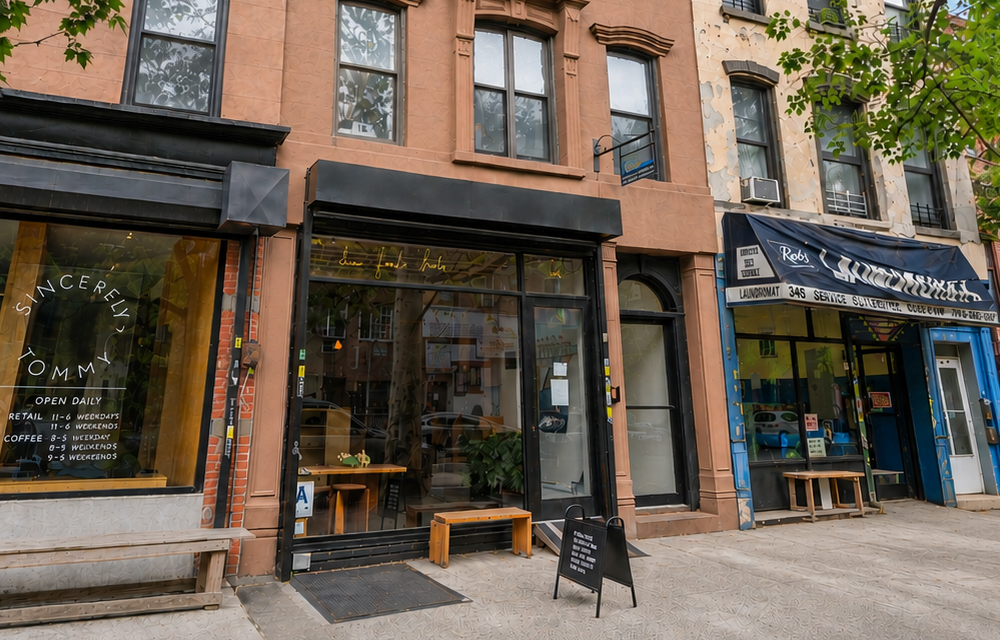
Bestreich, Reynolds, Davila, and Flaherty of Investment Property Realty Group close $1.97 million sale of 343A Tompkins Ave. in Bed-Stuy
Brooklyn, NY Investment Property Realty Group (IPRG) closed the sale of 343A Tompkins Ave., a mixed-use building located in the Bed-Stuy section of the borough, for $1.97 million.


Quick Hits

Columns and Thought Leadership

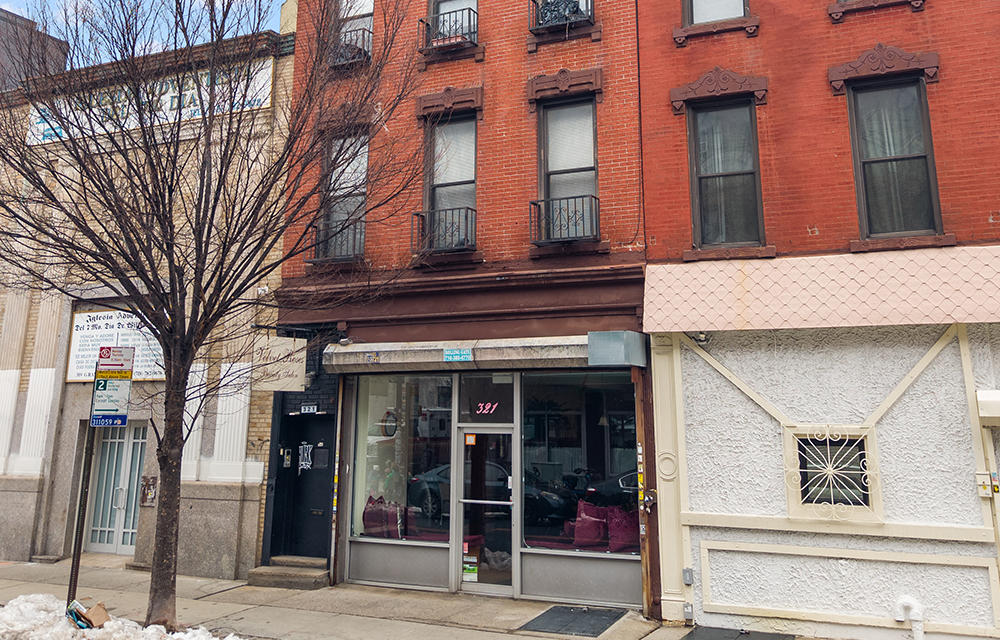
New York’s streets are full again, and the retail numbers prove it - by Noam Aziz
Walk down any New York block this year and you can feel it. The sidewalks are crowded, the storefronts are lit, and the energy that defines this city is back at full volume.

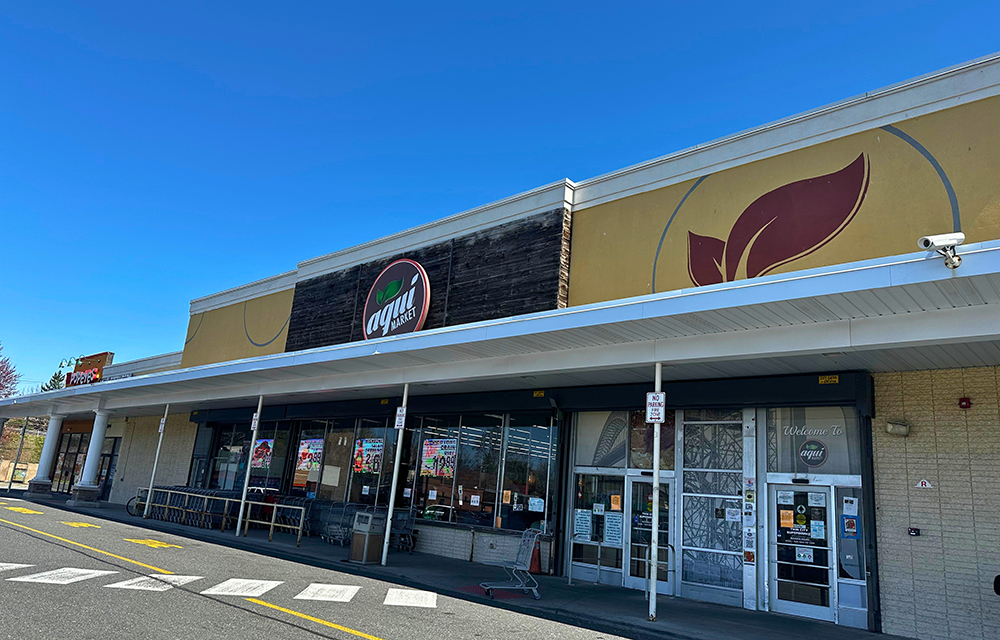
Hunt CRE question and answer: Choosing a real estate agent - by David Hunt
First, we will only work with one agent exclusively. The primary reason is that we want that agent to legally represent our client’s interests. In New York State, a real estate agent has a fiduciary

Hunt commercial real estate question and answer: Fortune 500 wisdom - by David Hunt
Yes, there are lessons to be learned from the largest companies in America when comes to managing your real estate. But the decision to buy or lease real estate may not be one of

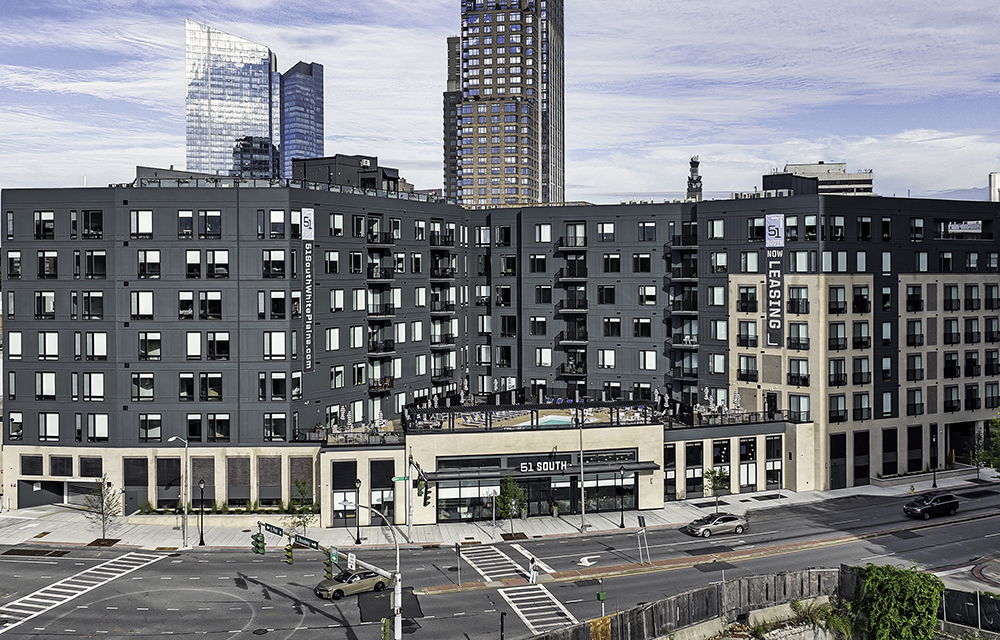
A guide to finding the right NYC property management company - by Sanjay Gandhi
Being a small to midsize landlord in NYC is an increasingly demanding endeavor. From navigating complex regulations, increased compliance demands to dealing with tenant issues and remediating violations. It is wise to enlist the assistance of a partner, a professional
.gif)