



News:
Spotlight Content
Posted: December 22, 2020
Mike Cleaver, Emerald Creek Capital
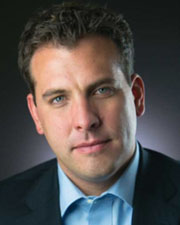 Name: Mike Cleaver
Title: Managing Director
Company Name: Emerald Creek Capital
What aspects of working from home did you enjoy most?
I really enjoyed figuring it out and developing a new routine. This year we’ve met with clients, attended conferences, gone to happy hours, caught up with old friends and made new ones–all on zoom. Everything is weird, but has become the new normal. I think once life actually gets back to normal companies are going to run more efficiently and people will have a better work/life balance than in the past.
What are your predictions for commercial real estate in 2021?
It seems that even after a vaccine is approved it will take time before any meaningful distribution will happen so initially 2021 will likely be more of the same. It will also take time for distressed CRE to work it’s way through a backlogged system. For us it means continuing to make loans to borrowers that have time sensitive needs and cannot wait to transact.
What was your greatest professional accomplishment in 2020?
We work with the best team in commercial real estate. It takes a village to close a loan in a week and I’m really proud of the fact that despite the pandemic and everyone working remotely we were able to mobilize, execute, and close more than 30 loans in 2020.
Tags:
Spotlight Content
MORE FROM Spotlight Content

NYREJ's 2026 Developing Long Island Spotlight is here!
This spotlight showcases projects completed and currently under construction across Long Island as well as highlights improvements made to the region through Industrial and Economic Development Agencies and BIDs.



.png)

Quick Hits


Columns and Thought Leadership

2026 Developing Queens: Long Island Board of Realtors advances commercial growth and advocacy in Queens
The Long Island Board of Realtors (LIBOR) Commercial Network continues to play a key role in advancing opportunities and strengthening the commercial real estate landscape across Queens. Through targeted programming and global outreach

CRE Guide Featured Company: Merritt Environmental Consulting Corp.
Merritt Environmental Consulting Corp. (MECC) was established in June of 2009 after being part of a larger engineering firm for almost 20 years. The focus of the company is to assist lending institutions, attorneys, real estate investors, and property owners with environmental concerns. Today, MECC has offices in New York, Florida, and Vermont and has grown into a regional consulting firm serving clients along the East Coast.

Properly serving a lien law Section 59 Demand - by Bret McCabe
Many attorneys operating within the construction space are familiar with the provisions of New York Lien Law, which allow for the discharge of a Mechanic’s Lien in the event the lienor does not commence an action to enforce following the service of a “Section 59 Demand”.

From vacancy to vitality: How adaptive reuse is reshaping Long Island’s CRE landscape - by Andrea Tsoukalas Curto
Adaptive reuse has become one of the most important conversations in commercial real estate today. Long Island has a large inventory of aging retail, office and industrial