Meridian Investment Sales






Brooklyn, NY Meridian Investment Sales, the commercial property sales division of Meridian Capital Group, is exclusively marketing for sale a retail and commercial property ideal for development in the Greenpoint neighborhood for $11 million. Senior executive managing director, David Schechtman, and managing directors, Lipa Lieberman and Abie Kassin, are representing the seller in this transaction.

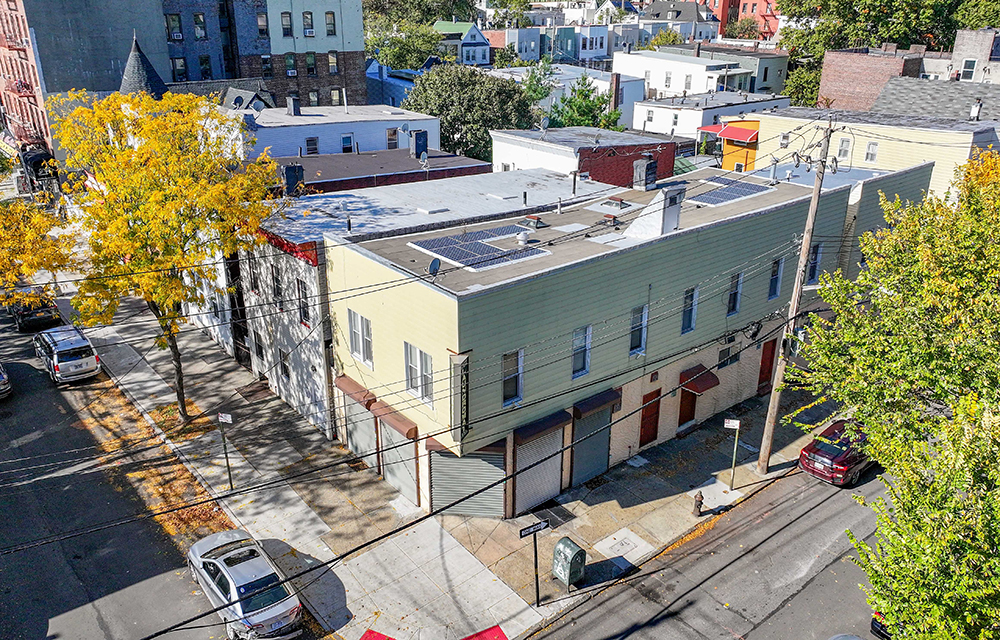
144-150 Greenpoint Ave. consists of two contiguous buildings on a 7,600 s/f lot. Rising two stories, the retail property spans 12,000 s/f and offers 22,800 total buildable s/f, presenting investors with an opportunity to reposition a unique asset of scale with a clear path to vacancy in the Greenpoint Historic District. Situated near the G train at the Greenpoint Ave. station, the property features 80 ft. of retail frontage at one of the neighborhood’s busiest intersections at Manhattan Ave. The site benefits from flexible C4-3A (R6A) zoning that permits for a variety of uses, including repositioning the existing asset or designing a new building that capitalizes on the property’s significant development rights.
Situated on the northernmost point in the borough, Greenpoint is a thriving residential enclave. The area saw development in the late 19th century with shipping factories popping up along the East River and an influx of European immigrants in the late 1800s and early 1900s, predominantly from Poland, thus becoming known as “Little Poland” to many. Today, Greenpoint is emerging as a leader in the area's art scene. 144-150 Greenpoint Ave. is near shopping and dining options, including restaurants such as Oxomoco, Esme, Di An Di, and Chez Ma Tante.
“This is a very rare and valuable offering thanks to the property’s rare 80 feet of frontage along prime Greenpoint Ave. and the ability for vacant possession,” said Lieberman. “The fact that the site offers 22,800 s/f ripe for a user or redevelopment priced in line with market expectations makes the property even more desirable.”


 (2).gif)





.gif)