



News:
Brokerage
Posted: November 21, 2011
Meet the leadership of the NYCREW Network: Barbara Champoux
As a partner and head of Crowell & Moring's commercial real estate team, Barbara Champoux's practice is all-encompassing, including transactions, debt and equity financing, joint ventures, ownership structuring and reorganization, and loan workouts and restructurings, for a diverse client base. With extensive experience with shopping centers, retail projects, mixed-use urban redevelopments, acquisitions and public/private partnerships, she is a key player in many of the nation's most prominent real estate transactions.
Her knowledge of leasing and finance also extends to the acquisition, disposition and funding of distressed loan portfolios and single-asset trophy properties, as well as complex environmental, design and financing issues.
Her clients include some of the most noted real estate owners in the U.S. An expert in the legal matters pertaining to the lodging and leisure industries, she has worked for 15 years with Six Flags Entertainment Corp., as well as other tourism companies, advising them on acquisitions, financing, development, construction and operation of resorts, theme parks, cultural attractions, themed restaurants, and sports/entertainment venues nationwide.
She also manages the real estate activities of Revitalizing Auto Communities Environmental Response Trust (RACER), including its acquisition of a portfolio of 120 economically or environmentally challenged sites from General Motors.
She also is committed to educating the next generation of real estate professionals. A frequent lecturer at professional events on topics including financing, distressed assets, commercial leasing and professional development topics, she has been recognized annually since 2006 by the New York Times and Key Professional Media as a Super Lawyer, designating the top 5% of lawyers in the New York metro area. This year, she was named a Clarisa Award Winner by St. Francis Food Pantries and Shelters, and a "Top Woman in Real Estate" by Sokol Media. She is a member of Commercial Real Estate Women's (CREW) leadership education committee, a past chair of its industry research committee, and a past president and former chairperson of the board of NYCREW Network, CREW's New York chapter.
Tags:
Brokerage
MORE FROM Brokerage
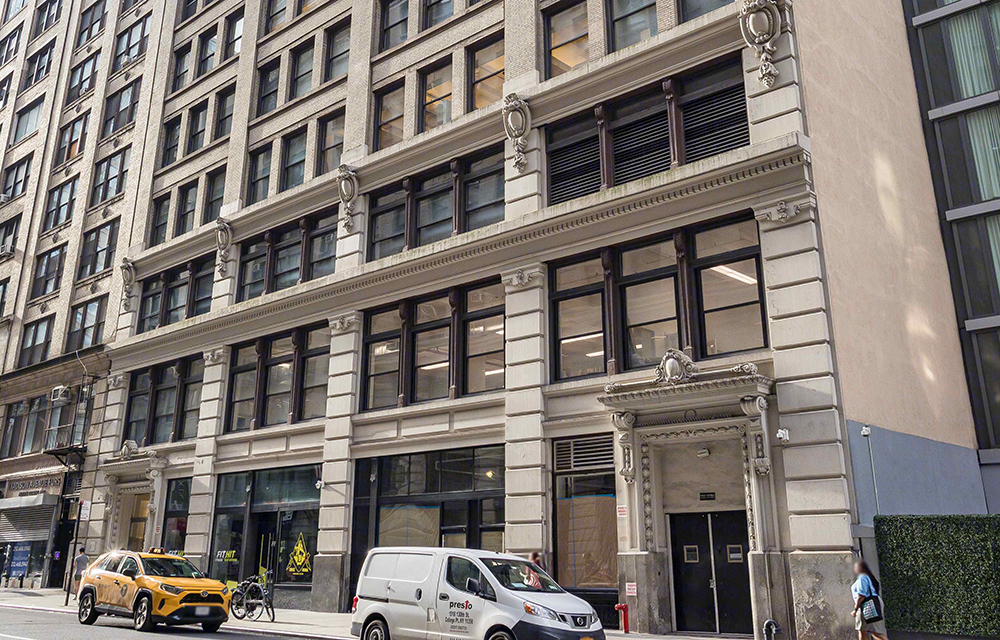
Koeppel Rosen inks 16-year 33,783 s/f lease for coworking firm Nomadworks at 122 West 27th St.
Manhattan, NY According to Koeppel Rosen LLC, leasing and management agent for the Rosen family portfolio, Nomadworks has signed a new 16-year, two-month lease totaling 33,783 s/f at 122 West





 (2).gif)

Columns and Thought Leadership

The art of investing in real estate - by Thomas Donovan
Real estate investing is as much an art as it is a skill. No one can time the market, or the factors that drive it, perfectly. Location, zoning, size, transportation, and neighborhood density give you a baseline for

Hunt commercial real estate question and answer: Fortune 500 wisdom - by David Hunt
Yes, there are lessons to be learned from the largest companies in America when comes to managing your real estate. But the decision to buy or lease real estate may not be one of

New York’s streets are full again, and the retail numbers prove it - by Noam Aziz
Walk down any New York block this year and you can feel it. The sidewalks are crowded, the storefronts are lit, and the energy that defines this city is back at full volume.

Hunt CRE question and answer: Choosing a real estate agent - by David Hunt
First, we will only work with one agent exclusively. The primary reason is that we want that agent to legally represent our client’s interests. In New York State, a real estate agent has a fiduciary
.gif)