



News:
Brokerage
Posted: July 16, 2012
Mediation: What is it all about?
Mediation is one of several methods available to parties who are having a dispute. It is used in many different areas. It is commonly used in the area of construction disputes, but it is also used in divorces and even in disputes between neighbors in co-ops. Some people might be surprised to learn how often it is used in court cases. The parties may be litigating a personal injury lawsuit, for example, and one party contacts a mediation company which then contacts all the parties to ask if they want to mediate. The idea is that mediation may help the parties to see the amount of damages they may be facing and to try to resolve it.
Since it is different from the traditional method of litigating in court, it is considered an "alternative" method of dispute resolution. Many like the idea of it, since it brings the warring parties together around a table so that they can talk or yell it out and is considered non-binding. It can be either an alternative to arbitration (which is binding) or a prerequisite for it. In other words, in some contracts the parties must mediate before they can proceed with arbitration or going to litigation in court.
It is usually provided for in a written, signed contract. It may require that the mediation be conducted by the American Arbitration Association, JAMS or even by a person chosen by the parties. As an attorney, I recommend setting forth as much detail as possible in the signed contract, because once there is a dispute, the parties are not likely to agree on much. In some cases where the case is in court, the judge will require that the parties "try" to mediate. The court cannot force you to agree on anything, but often just sitting around a table "softens" peoples' emotions.
The problem with mediation is that mediators always try to reach a middle ground. It is rarely all in one party's favor. Mediators will ask the parties what they each want. The plaintiff will give some high dollar demand and the defendant will say they do not want to pay anything. The mediator will keep chipping away at the parties by asking the plaintiff if there is "anything" less than the large dollar amount they are willing to accept and by asking the defendant if there is anything greater than zero that he is willing to pay. It is sometimes like wearing the parties down, since if you do not resolve it, you will have spent a number of hours and will have to start over in another venue. This process goes on and on with the mediator trying to help the parties find that middle ground. As always, seek legal counsel before agreeing to anything.
C. Jaye Berger, Esq, is an attorney and the principal of Law Offices C. Jaye Berger, New York, N.Y.
Tags:
Brokerage
MORE FROM Brokerage
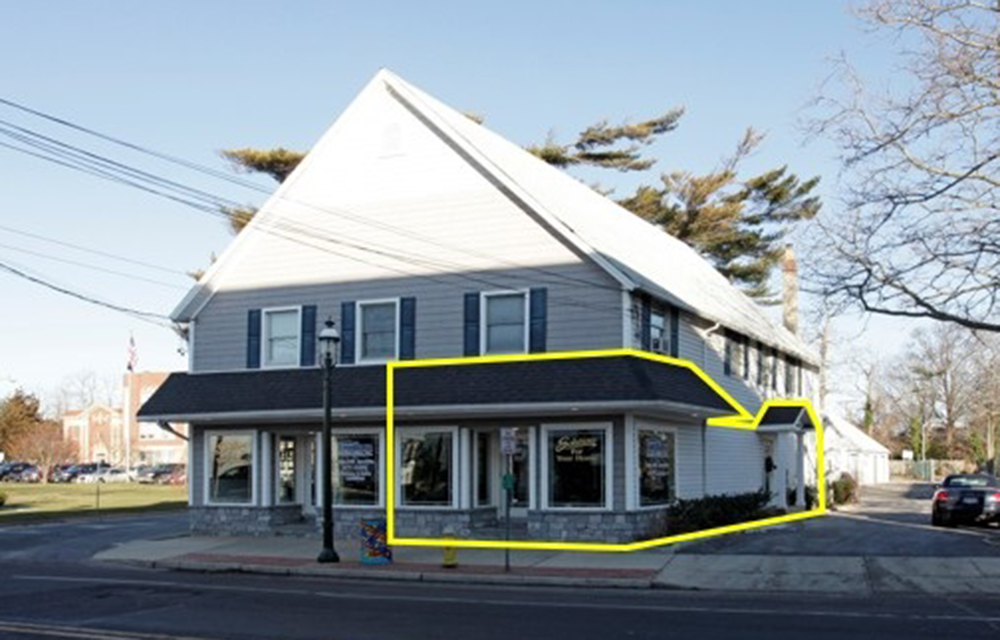
Raffa of Island Associates Real Estate leases 1,700 s/f to Tzanis Mental Health Group at 417 East Main St.
Islip, NY Robert Raffa from Island Associates Real Estate facilitated Tzanis Mental Health Group into 417 East Main St. – a 1,700 s/f office suite. The Tzanis Mental Health Group joins






Quick Hits

Columns and Thought Leadership

A guide to finding the right NYC property management company - by Sanjay Gandhi
Being a small to midsize landlord in NYC is an increasingly demanding endeavor. From navigating complex regulations, increased compliance demands to dealing with tenant issues and remediating violations. It is wise to enlist the assistance of a partner, a professional

New York’s streets are full again, and the retail numbers prove it - by Noam Aziz
Walk down any New York block this year and you can feel it. The sidewalks are crowded, the storefronts are lit, and the energy that defines this city is back at full volume.

Positive forecast for New York’s pro-housing push? - by Philip Butler
New York’s housing crisis remains a hot button topic despite growing consensus that varied and affordable housing is desperately needed statewide. Governor Hochul has recently introduced several initiatives to overcome N.Y.’s anti-housing

Hunt commercial real estate question and answer: Fortune 500 wisdom - by David Hunt
Yes, there are lessons to be learned from the largest companies in America when comes to managing your real estate. But the decision to buy or lease real estate may not be one of
.gif)
September Promotion
