



News:
Brokerage
Posted: August 13, 2012
McGuire Development purchases 1.5 acres in Clarence for $700,000; brokered by Picone of McGuire's Real Estate Services Group
McGuire Development Co., a local commercial development, brokerage and property management firm purchased 1.5 acres of land at 5989 Transit Rd. and 8025 Clarence Center Rd. for $700,000.
McGuire Development has plans underway to develop a retail project at the location with several tenant prospects pending consideration. The property is located in a densely populated area and is close to major thoroughfares. It is accessible from both Transit and Clarence Center Rds. and has a traffic light at the corner. In addition, its proximity to hundreds of national and local retail tenants makes it an ideal location for retail development. The site also currently features a house on the east end of the property.
The property was brokered by Vito Picone of McGuire Development's Real Estate Services Group.
"This property features outstanding potential for retail businesses to thrive in an area that has experienced a tremendous amount of residential and commercial growth over the past 10 years," said James Dentinger, president of McGuire Development.
McGuire Development has facilitated numerous development opportunities in Western New York including build-to-suit projects for the Brain and Spine Center, Williamsville Pediatric Center, Omni Pain & Wellness Center, Pediatric & Adolescent Urgent Care, University Pediatric Dentistry, SKF Aeroengine and Lakeshore Primary Care Associates. They are currently in the process of developing a 15,000 s/f office building on 1.5 acres at 6325 Main St. in Williamsville, just east of Erie Community College. Szymkowiak & Associates, a local accounting firm will occupy the space in December.
McGuire Development Company provides a full spectrum of transparent real estate services including brokerage, development, redevelopment, property management and owner real estate services/capital projects.
Tags:
Brokerage
MORE FROM Brokerage
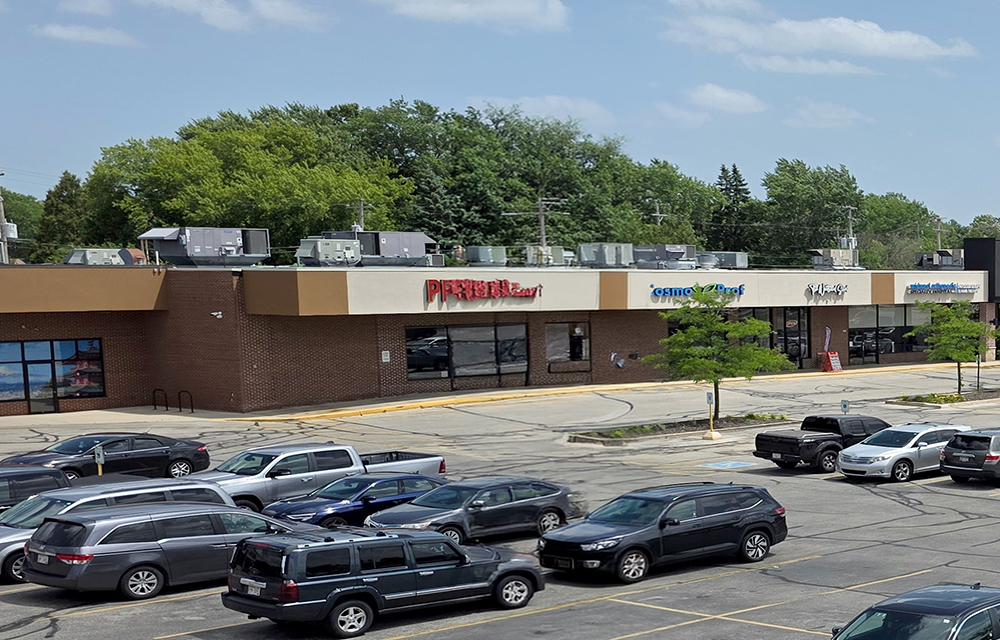
United Properties Corp. expands Wisconsin and Illinois retail presence adding 200,000 s/f
West Allis, WI United Properties Corp. completed two retail acquisitions totaling $27.4 million across Illinois and Wisconsin, adding 205,000 s/f of shopping center space to its portfolio



 (2).gif)

Columns and Thought Leadership

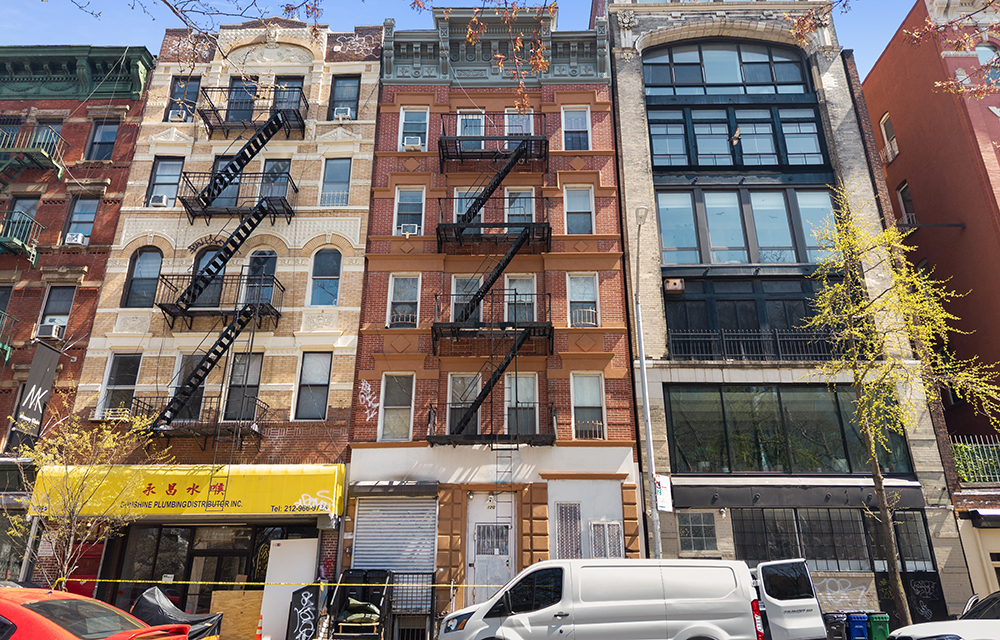
New York’s streets are full again, and the retail numbers prove it - by Noam Aziz
Walk down any New York block this year and you can feel it. The sidewalks are crowded, the storefronts are lit, and the energy that defines this city is back at full volume.

Hunt commercial real estate question and answer: Fortune 500 wisdom - by David Hunt
Yes, there are lessons to be learned from the largest companies in America when comes to managing your real estate. But the decision to buy or lease real estate may not be one of

A guide to finding the right NYC property management company - by Sanjay Gandhi
Being a small to midsize landlord in NYC is an increasingly demanding endeavor. From navigating complex regulations, increased compliance demands to dealing with tenant issues and remediating violations. It is wise to enlist the assistance of a partner, a professional

Positive forecast for New York’s pro-housing push? - by Philip Butler
New York’s housing crisis remains a hot button topic despite growing consensus that varied and affordable housing is desperately needed statewide. Governor Hochul has recently introduced several initiatives to overcome N.Y.’s anti-housing
.gif)