



News:
Brokerage
Posted: May 26, 2008
Mayor Bloomberg flips switch on tri-generation power plant in Bronx
Mayor Michael Bloomberg today turned on one of the city's first tri-generation power plants at Co-Op City, which is the result of a $65 million renovation. The plant will use less fuel, cut carbon emissions and pollutants by 40% and will result in between $15 million and $25 million in savings annually to co-op residents. The new plant will also generate more power than Co-Op City uses annually, allowing for the sale of excess power to utility companies, that will provide an additional source of revenue for the Riverbay Corp. which manages Co-Op City. The Co-Op City housing complex is home to more than 55,000 New Yorkers and was formerly the largest user of number six fuel oil in the city, emitting 3,400 tons of pollutants annually. This new plant will burn cleaner fuel, transforming it from one of the dirtiest, least efficient plants into a model of efficiency and environmental friendliness.
"The kind of emission reductions that we'll see as a result of this new plant will make a real difference here in the Bronx, where in some neighborhoods, children are hospitalized for asthma at four times the national rate," said mayor Bloomberg. "This new plant will help us achieve another important goal of our PlaNYC-making New York have the cleanest air of any major city in America."
Traditional power plants convert fuels such as oil or natural gas to electricity inefficiently because the conversion generates wasted heat. Co-generation plants divert that heat for other uses. In tri-generation fuel is used for three separate functions: it generates electricity, uses the waste heat or steam for heating and cooling, and diverts the excess steam to a turbine that generates even more electricity and heat energy, making it the most efficient type of power plant in use.
The newly renovated plant at Co-Op City will remove the complex from the New York City electrical grid, making it fully self sufficient. Extra power generated by the plant will be available for power companies to use in case of a brownout or blackout during the peak summer months.
Tags:
Brokerage
MORE FROM Brokerage
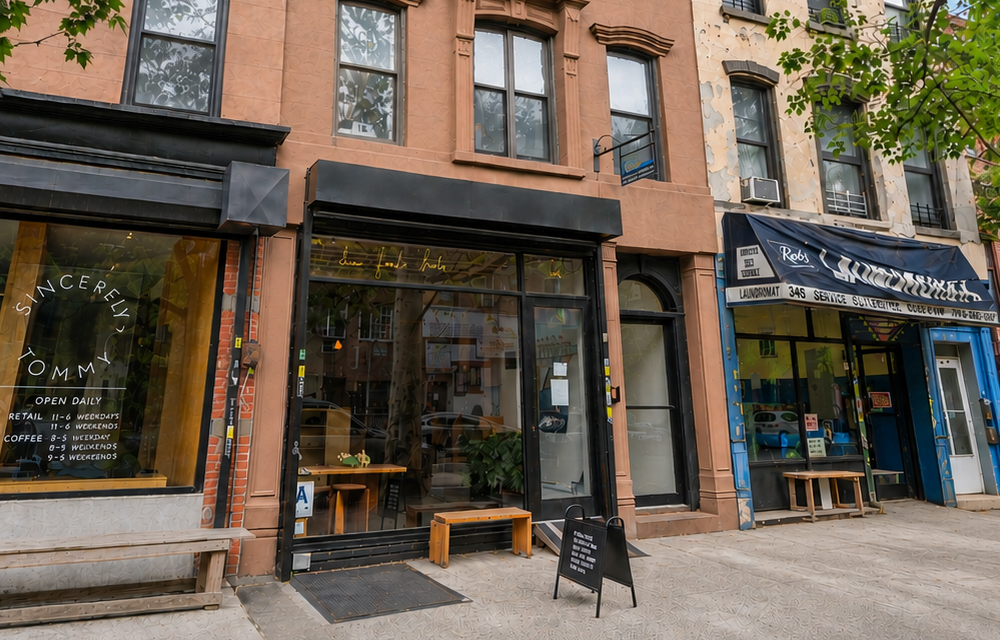
Bestreich, Reynolds, Davila, and Flaherty of Investment Property Realty Group close $1.97 million sale of 343A Tompkins Ave. in Bed-Stuy
Brooklyn, NY Investment Property Realty Group (IPRG) closed the sale of 343A Tompkins Ave., a mixed-use building located in the Bed-Stuy section of the borough, for $1.97 million.



Quick Hits
 (2).gif)

Columns and Thought Leadership

Hunt commercial real estate question and answer: Fortune 500 wisdom - by David Hunt
Yes, there are lessons to be learned from the largest companies in America when comes to managing your real estate. But the decision to buy or lease real estate may not be one of

Hunt CRE question and answer: Choosing a real estate agent - by David Hunt
First, we will only work with one agent exclusively. The primary reason is that we want that agent to legally represent our client’s interests. In New York State, a real estate agent has a fiduciary

New York’s streets are full again, and the retail numbers prove it - by Noam Aziz
Walk down any New York block this year and you can feel it. The sidewalks are crowded, the storefronts are lit, and the energy that defines this city is back at full volume.

A guide to finding the right NYC property management company - by Sanjay Gandhi
Being a small to midsize landlord in NYC is an increasingly demanding endeavor. From navigating complex regulations, increased compliance demands to dealing with tenant issues and remediating violations. It is wise to enlist the assistance of a partner, a professional
.gif)