



News:
Brokerage
Posted: December 10, 2024
Marks, Lebor, and Manasia of TerraCRG sell
four properties totaling 21,120 s/f for $22 million

Williamsburg, NY TerraCRG has negotiated the $22 million sale of four properties located at 536, 546, 554, and 558 Metropolitan Ave. The transaction was exclusively brokered by TerraCRG’s Dan Marks, Daniel Lebor, and Andrew Manasia. Ribiero Associates was the seller.
“This sale highlights the strong demand for well-positioned properties in Williamsburg, one of Brooklyn’s most dynamic neighborhoods. The site’s development potential, premier frontage, and excellent access to transit create a unique and exciting opportunity for the new owner,” said Marks, CEO of TerraCRG.
The four properties, which span a combined 21,120 s/f, has 125 ft. of frontage on Metropolitan Ave., situated between Union Ave. and Lorimer St. The properties are connected at the rear and offer a range of potential development opportunities. Zoned R7A, C2-4, the properties have a base Zoning Floor Area (ZFA) of 72,864 s/f, with the potential to increase to 97,152 s/f through the inclusionary housing bonus FAR.
The portfolio has long been home to neighborhood staple Crest Hardware and Urban Garden Center, which served the community for over six decades. “Our team takes great pride in working with families who have successfully owned and operated multi-generational businesses at their properties. We are highly experienced in managing confidential marketing processes while respecting the sensitive nature of these transactions,” said Marks. “We are honored to have earned the trust of ownership in the sale of this beloved Brooklyn institution.”
“Crest Hardware has always been committed to serving the community but faced a difficult decision when ownership had differing views on the future direction of the property,” said Joe Franquinha, owner and operator of Crest Hardware and partner in Ribiero Assocs. “TerraCRG excelled in navigating the complexities of this situation with great sensitivity, ensuring that Crest’s reputation and longstanding, positive relationship with the community remained intact.”
“My father founded his business on this property more than 62 years ago. Deciding to sell was a challenging decision for all the partners, but my father’s legacy and the memories he created here will live on. I am deeply grateful for TerraCRG’s patience, diligence, and support throughout the sale process,” said Amanda Franquinha, partner in Ribiero Assocs.
Tags:
Brokerage
MORE FROM Brokerage
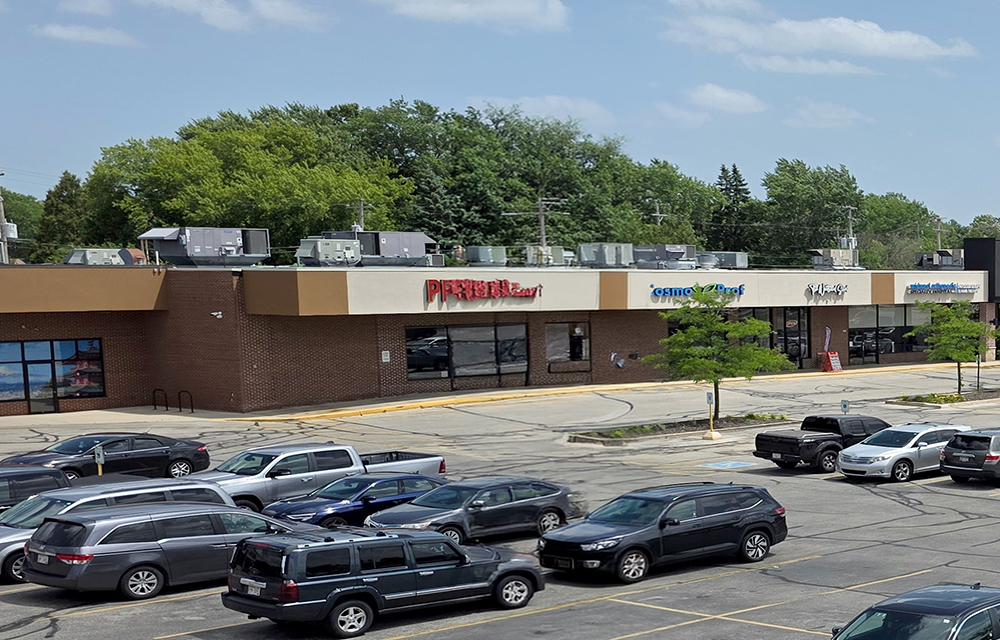
United Properties Corp. expands Wisconsin and Illinois retail presence adding 200,000 s/f
West Allis, WI United Properties Corp. completed two retail acquisitions totaling $27.4 million across Illinois and Wisconsin, adding 205,000 s/f of shopping center space to its portfolio


Quick Hits

Columns and Thought Leadership

New York’s streets are full again, and the retail numbers prove it - by Noam Aziz
Walk down any New York block this year and you can feel it. The sidewalks are crowded, the storefronts are lit, and the energy that defines this city is back at full volume.

Hunt commercial real estate question and answer: Fortune 500 wisdom - by David Hunt
Yes, there are lessons to be learned from the largest companies in America when comes to managing your real estate. But the decision to buy or lease real estate may not be one of

A guide to finding the right NYC property management company - by Sanjay Gandhi
Being a small to midsize landlord in NYC is an increasingly demanding endeavor. From navigating complex regulations, increased compliance demands to dealing with tenant issues and remediating violations. It is wise to enlist the assistance of a partner, a professional

Positive forecast for New York’s pro-housing push? - by Philip Butler
New York’s housing crisis remains a hot button topic despite growing consensus that varied and affordable housing is desperately needed statewide. Governor Hochul has recently introduced several initiatives to overcome N.Y.’s anti-housing
.gif)