



News:
Brokerage
Posted: December 13, 2022
Marketing trends in a period of uncertainty - by Kimberly Zar

America is holding on tight for a year of unpredictable change. Market uncertainty, global events and political shifts could influence the commercial real estate industry dramatically. During this time, it’s important to maintain a marketing strategy that helps your business not only stay afloat but also thrive in 2023.
Here are five key trends impacting digital marketing in the commercial real estate industry:
1. LinkedIn as your Trojan horse: LinkedIn has been around for many years but has recently posted record growth and engagement. It’s expected to account for 25% of B2B advertising within two years. Despite these stats, few commercial real estate pros take advantage of the platform. What can you do now? Build LinkedIn into your plans strategically.
2. Increased use of drone photography and videography: The price of drone photography has declined significantly, enabling commercial real estate owners and brokers to show off their properties and surrounding amenities at higher quality and a lower cost. As soon as you score a listing or need photography for an OM, schedule skilled drone photographers and videographers for a session.
3. Outsourcing to digital marketing agencies: With 50,000+ layoffs over the past few weeks, businesses are beginning to look for strategic ways to maintain their marketing momentum. Outsourcing to digital marketing specialists not only saves money and time, but can also spell the difference between making a little progress over making major strides during this uncertain period.
4. Chatbots on websites: Chatbots have grown in popularity since the onset of the pandemic, providing companies with practical and real-world solutions that mitigate the need for human intervention in mundane tasks. For commercial real estate companies, particularly on the management side, integrating an interactive chatbot will diminish back and forth with tenants and potential tenants, cutting costs and saving time.
5. More influencer marketing: Real estate influencer marketing is expected to be an $18 billion industry in 2023. Influencers enable your company’s social media to reach the right target audience, boost brand recognition, and generate engagement. Don’t miss out.
Commercial real estate firms need to tap into digital marketing strategies that will help them maintain their competitive advantage in 2023—and beyond. Stay tuned for more as the year progresses!
Kimberly Zar Bloorian is founder and CEO of KLOUD, New York, N.Y.
Tags:
Brokerage
MORE FROM Brokerage
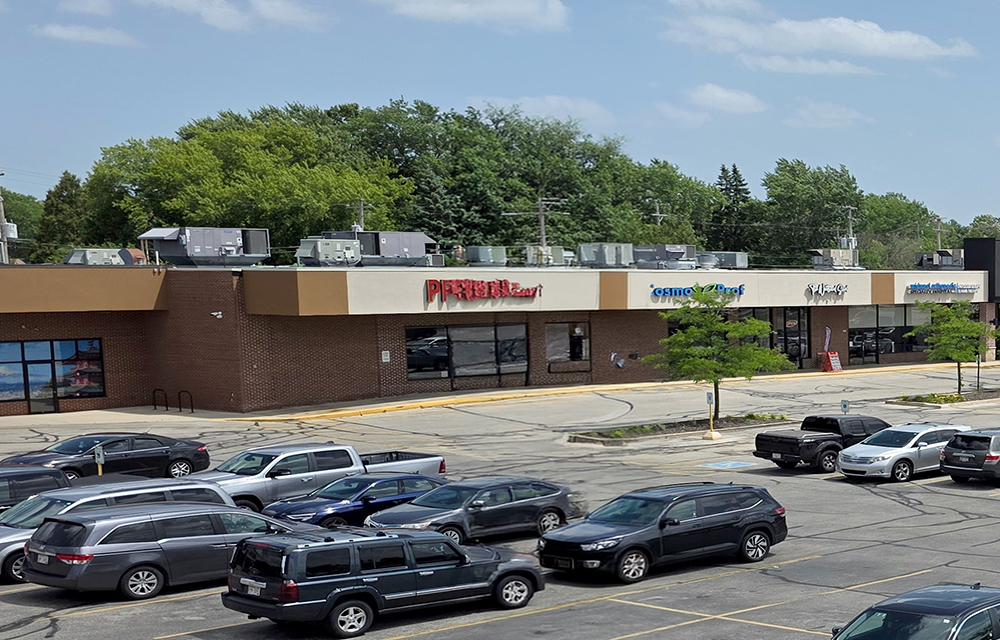
United Properties Corp. expands Wisconsin and Illinois retail presence adding 200,000 s/f
West Allis, WI United Properties Corp. completed two retail acquisitions totaling $27.4 million across Illinois and Wisconsin, adding 205,000 s/f of shopping center space to its portfolio



Columns and Thought Leadership

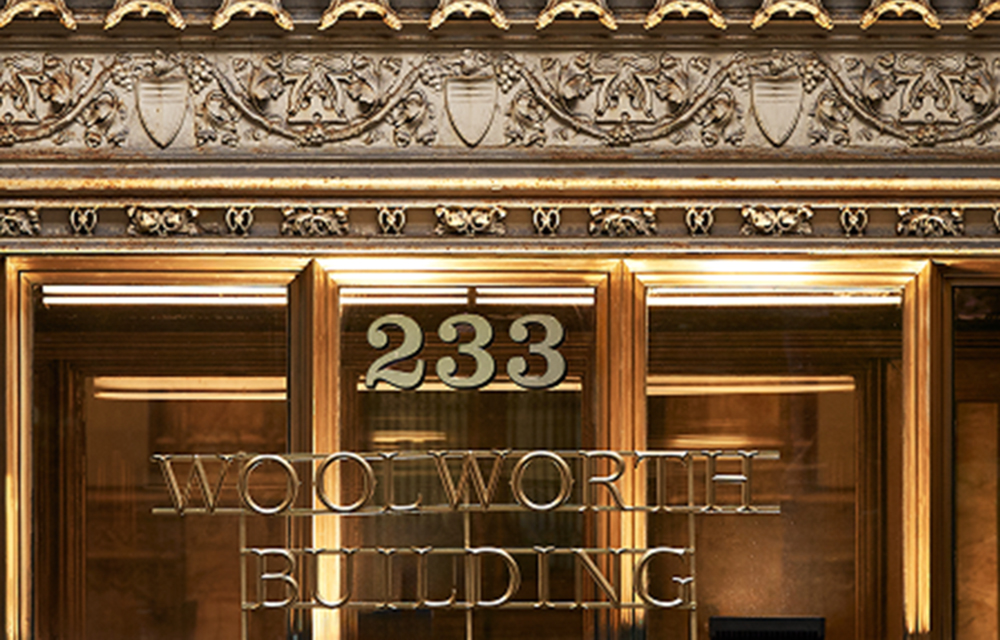
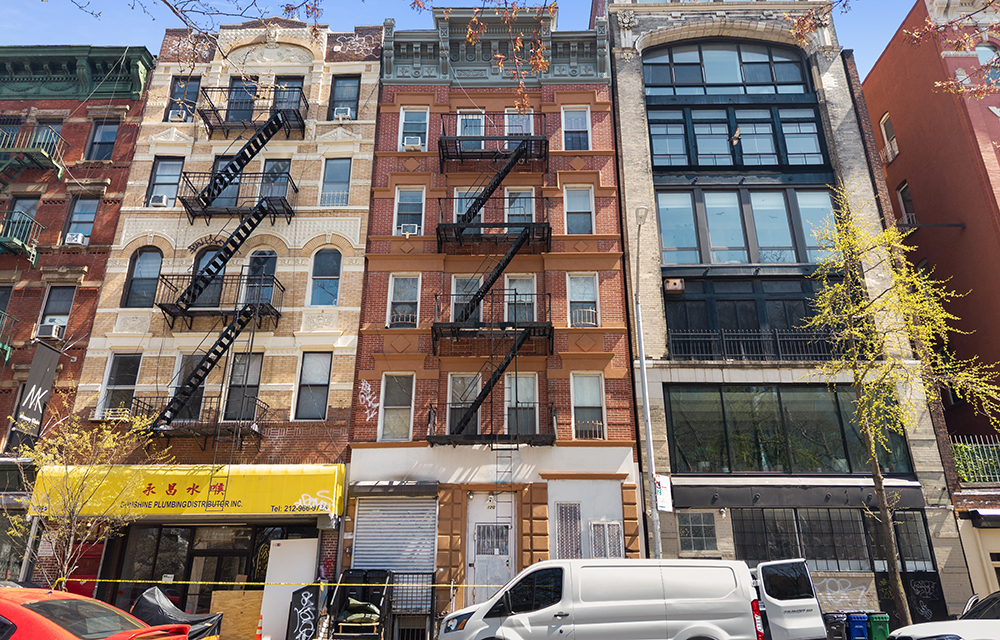
New York’s streets are full again, and the retail numbers prove it - by Noam Aziz
Walk down any New York block this year and you can feel it. The sidewalks are crowded, the storefronts are lit, and the energy that defines this city is back at full volume.

Hunt commercial real estate question and answer: Fortune 500 wisdom - by David Hunt
Yes, there are lessons to be learned from the largest companies in America when comes to managing your real estate. But the decision to buy or lease real estate may not be one of

A guide to finding the right NYC property management company - by Sanjay Gandhi
Being a small to midsize landlord in NYC is an increasingly demanding endeavor. From navigating complex regulations, increased compliance demands to dealing with tenant issues and remediating violations. It is wise to enlist the assistance of a partner, a professional

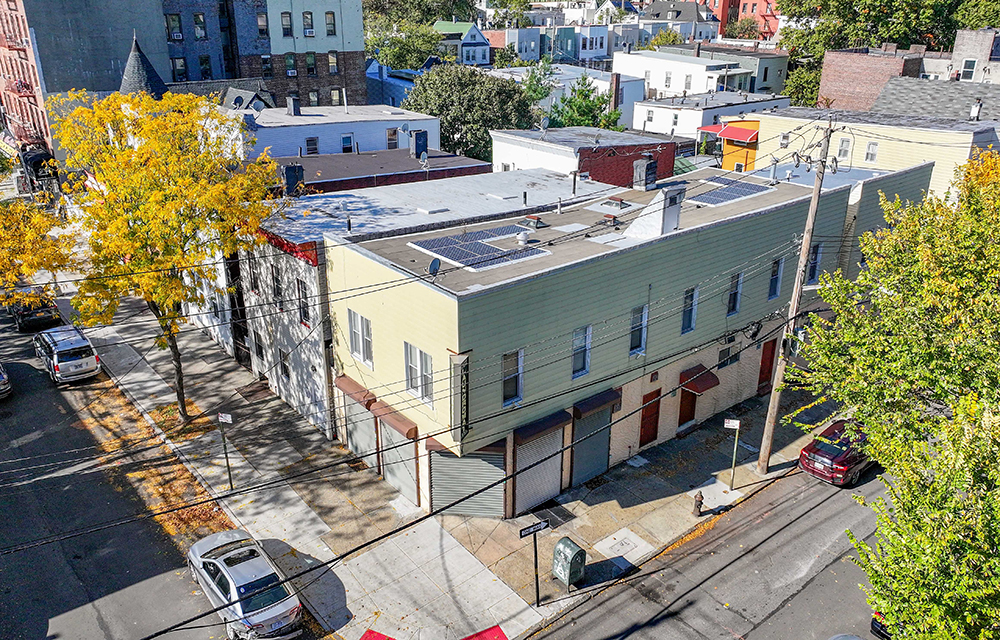
Positive forecast for New York’s pro-housing push? - by Philip Butler
New York’s housing crisis remains a hot button topic despite growing consensus that varied and affordable housing is desperately needed statewide. Governor Hochul has recently introduced several initiatives to overcome N.Y.’s anti-housing
.gif)