




Manhattan, NY According to John Krueger, regional manager of the firm’s Manhattan office. Marcus & Millichap, the firm has completed two sales totaling $10.225 million.
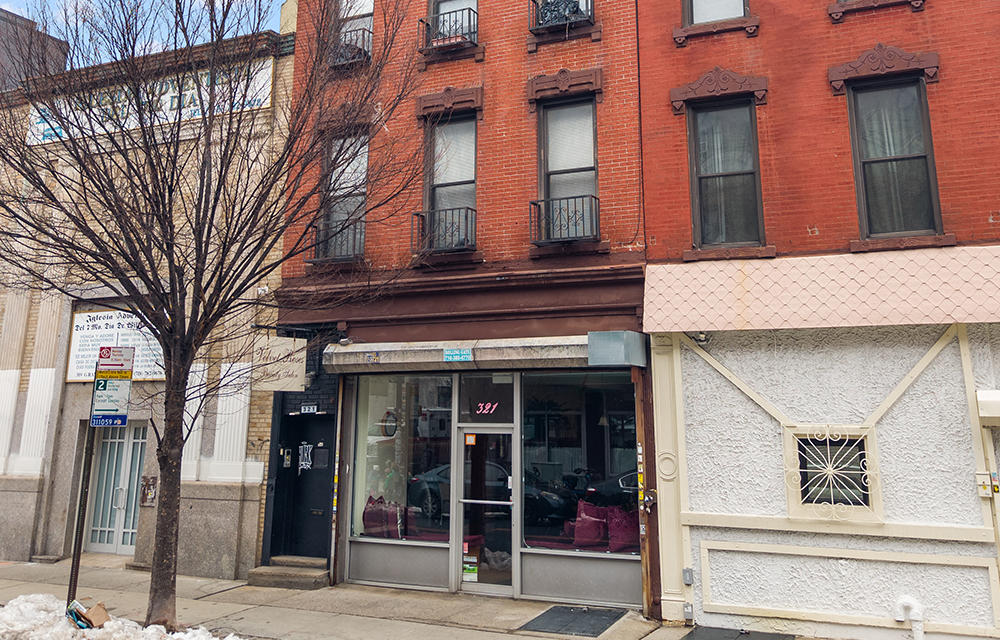
The first deal was the $5 million sale of 116 Saint Marks Pl., a five-story, mixed-use building situated between Ave. A and 1st Ave. in the East Village.
“This walk-up is ideally located in the epicenter of the East Village. The property was in great condition at the time of the sale and had been well maintained over the last 50 years.” said Barbara Dansker, a senior real estate broker at Marcus & Millichap’s Manhattan office, who, along with Steven Lusby, represented the seller. The team also procured the buyer, a private investor.
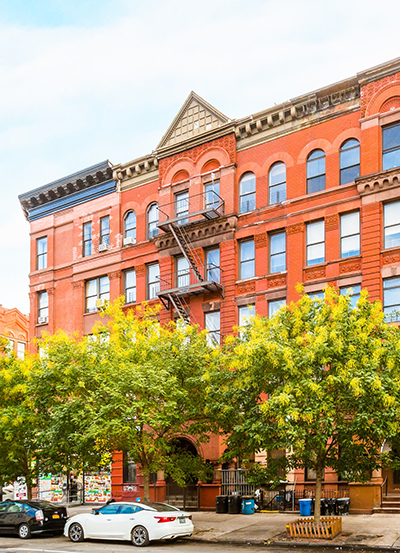
“The buyer is planning on immediately adding value by renovating the vacant residential units and renting out the retail unit to a tenant that can utilize the rear yard,” said Lusby.
The 5,479 s/f building, affording it’s close proximity to Tompkins Sq. Park, is built 19 ft. by 56 ft. on a 19 ft.º by 97.5-ft. lot and consist of six residential units and one retail unit.
The second deal was the $5.225 million sale of 1975 Adam Clayton Powell Jr Blvd., a 20-unit apartment property located in the Harlem section. The asset sold at a cap rate of 3.7%.
Peter Von Der Ahe, Joe Koicim, Seth Glasser and Jacob Kahn of Marcus & Millichap’s Manhattan office, had the exclusive listing to market the property on behalf of the seller, a private investor. The team also procured the buyer, Le Vian Properties.
“This transaction signifies a consistent investment trend,” says Kahn. “Even with interest rates climbing, buyers in the New York City market are still willing to pay a premium for buildings with a story. In this specific instance, the property was 100 percent rent stabilized, had extremely low rents of $1,200 per month, and was owned by the same family for over 60 years.”
“Le Vian Properties plans to upgrade the common areas, renovate apartments as they become vacant, and hold the property long term.” adds Kahn.
The multifamily building, composed of 13,943 square feet with 37 frontage feet, benefits from its strong location in the northern section of the New York which fosters numerous residential, cultural and business centers.







.gif)