



News:
Brokerage
Posted: May 11, 2015
Manhattan "Bridge and Tunnel" real estate undergoes makeover
The ever-changing climate of luxury real estate has mid-sized developers looking for that golden opportunity within neighborhoods that are experiencing an influx of growth. With limited sites becoming available, some developers have shifted focus to the "outlier" spaces, or those areas that sit near the entrance and exit routes of Manhattan's commuting corridors.
The changing image of the quintessential "bridge and tunnel" is evolving past its former nomenclature and is growing with renewed appeal. Whether a reverse-commuter or just getting into the luxury market now, the rise in demand for "accessible luxury" real estate is growing among domestic buyers and local residents that have rented in previous years and is sculpting neighborhoods near Manhattan's bridges and tunnels.
Among the N.Y.C. developers who have seen the value grow in development around "outlier" areas of town is Shing Wah Yeung of Yeung Real Estate Development. Having brought luxury condos to Chinatown, Shing Wah has emerged beyond this cultural district to design a few 'outlier' projects that cater towards the growing target market of families, couples and single buyers.
"You will have an audience who will not want to be near bridges and tunnels, and others that don't see it as an issue," said Yeung. "For example at 337 East 62nd St., we designed a modern, high-end luxury product, but priced accordingly based on its location."
Developers factor in the location and proximity to price these "accessible luxury" residences, which are now dotting the perimeters of Manhattan's commuting routes. Situated in Manhattan's Midtown East corridor near the 59th St. Bridge is Three Thirty Seven East Sixty Second St., where Yeung took into consideration the proximity to the bridge exit and has designed the building to have all the bedrooms (where possible) facing the rear courtyard and provide a more private ambiance to create a peaceful environment. This building is a new full-service, boutique luxury condominium development being marketed by Tamir Shemesh of The Corcoran Group.
Other buildings transforming the "bridge and tunnel" enclaves includes Stella Tower, the Art-Deco building situated at 425 West 50th St. designed by famed architect Ralph Walker. Sitting just north of the Lincoln Tunnel and within close proximity to the West Side Highway, this luxury building has absorbed the backdrop of being near a highly-trafficked area and differentiated itself in helping to reignite Hell's Kitchen and define the neighborhood, which is seeing a modern-day resurgence from its former years.
"Stella Tower is a proven success shifting the paradigm of Hell's Kitchen and transforming the area," said Reba Miller, CEO and president of RP Miller Realty, who is marketing some of the listings within Stella Tower. "There's only so much room for new development projects and this has naturally created renovations in areas you wouldn't expect, especially in an area that is reclaiming its prominence and has now become a prime piece of real estate for new luxury developments."
Developers are envisioning a changing skyline and see opportunity to change with the purchasing and population demands that are trending in Manhattan. Gone are the days of snubbing "outlier" spaces, as inventory is always expected to be in flux. The former "bridge and tunnel" areas have become just as important as other inner corridors when it comes to real estate and continued construction is a testament to bringing the allure to living near the Manhattan's commuter routes.
Tags:
Brokerage
MORE FROM Brokerage
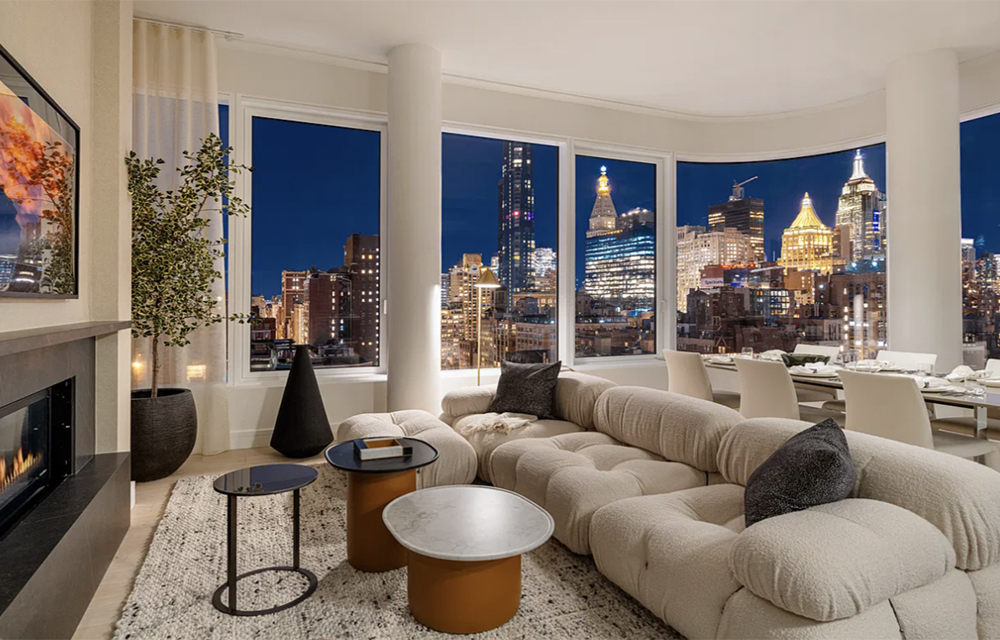
200E20TH sells out in Gramercy, penthouse A closes out sales at the CetraRuddy-designed condominium residences
Manhattan, NY 200E20TH, the CetraRuddy-designed architectural masterwork that brought a curved, contemporary sensibility to Gramercy’s Beaux-Arts streetscape, has




Quick Hits
 (2).gif)

Columns and Thought Leadership

The art of investing in real estate - by Thomas Donovan
Real estate investing is as much an art as it is a skill. No one can time the market, or the factors that drive it, perfectly. Location, zoning, size, transportation, and neighborhood density give you a baseline for

New York’s streets are full again, and the retail numbers prove it - by Noam Aziz
Walk down any New York block this year and you can feel it. The sidewalks are crowded, the storefronts are lit, and the energy that defines this city is back at full volume.

Hunt CRE question and answer: Choosing a real estate agent - by David Hunt
First, we will only work with one agent exclusively. The primary reason is that we want that agent to legally represent our client’s interests. In New York State, a real estate agent has a fiduciary

Hunt commercial real estate question and answer: Fortune 500 wisdom - by David Hunt
Yes, there are lessons to be learned from the largest companies in America when comes to managing your real estate. But the decision to buy or lease real estate may not be one of
.gif)