



News:
Brokerage
Posted: February 24, 2014
Madison Realty Capital exceeds $500 million in total debt investments during 2013
According to Joshua Zegen, co-founder and managing member of Madison Realty Capital (MRC), an institutionally-backed commercial real estate investment firm specializing in flexible debt financing solutions for middle-market transactions throughout the U.S., the company exceeded $500 million in total debt investments throughout 2013. In addition, the company acquired direct equity investments totaling over $250 million in total capitalization over the past year. MRC's debt investment platform focuses on new loan originations for time-sensitive transactions and the acquisition of non-performing loans and loan portfolios.
"2013 was another successful year for Madison Realty Capital as we solidify our position as an industry leader in both debt and equity investments for the middle-market," Zegen said. "Our track record in delivering reliable solutions to debt buyers and sellers has allowed us to maintain a steady flow of transactions secured through new and repeat business. We expect an even stronger performance in 2014 as we continue to seek financing and loan acquisition opportunities throughout New York City, as well as look to expand our geographic area into new markets that meet our investment criteria."
Highlights of MRC's 2013 activity include the following:
* $50 million loan to recapitalize Victoria Towers mixed use project in Flushing, Queens.
* $40.15 million in financing for hotel project at New York's Hudson Yards.
* $37 million in financing for completion of redevelopment project in Williamsburg, Brooklyn.
* $31 million financing for industrial to office conversion in Brooklyn's Clinton Hill neighborhood.
* $27 million in construction financing on the Paper Factory hotel in Long Island City.
* $24.48 million principal balance loan portfolio purchased from major savings bank.
* $13 million purchase of defaulted note on condo development in Clinton Hill, Brooklyn.
Tags:
Brokerage
MORE FROM Brokerage
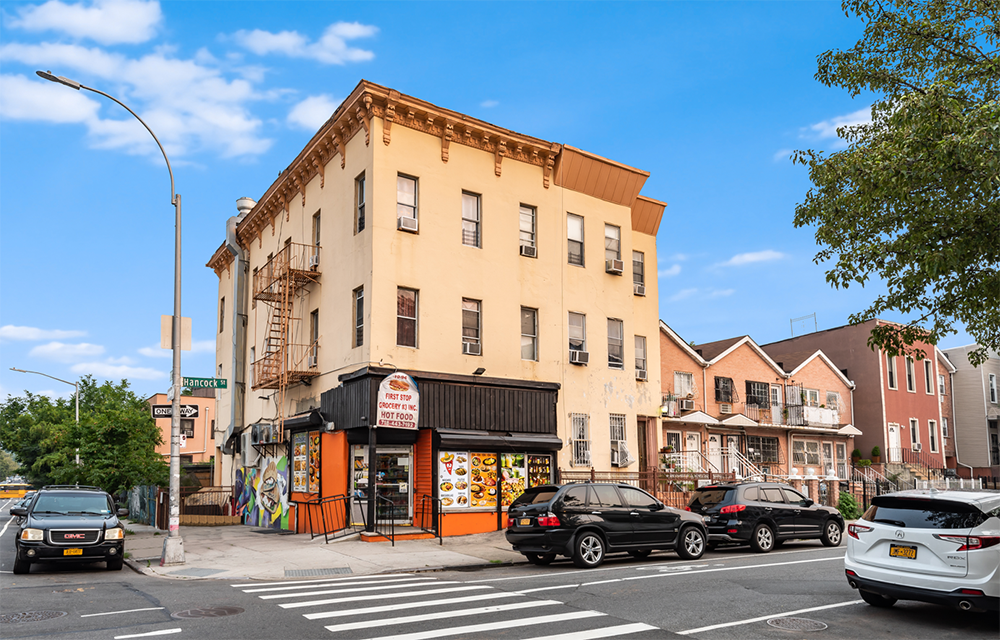
Investment Property Realty Group closes $1.75 million sale of 1094 Hancock Street in Brooklyn
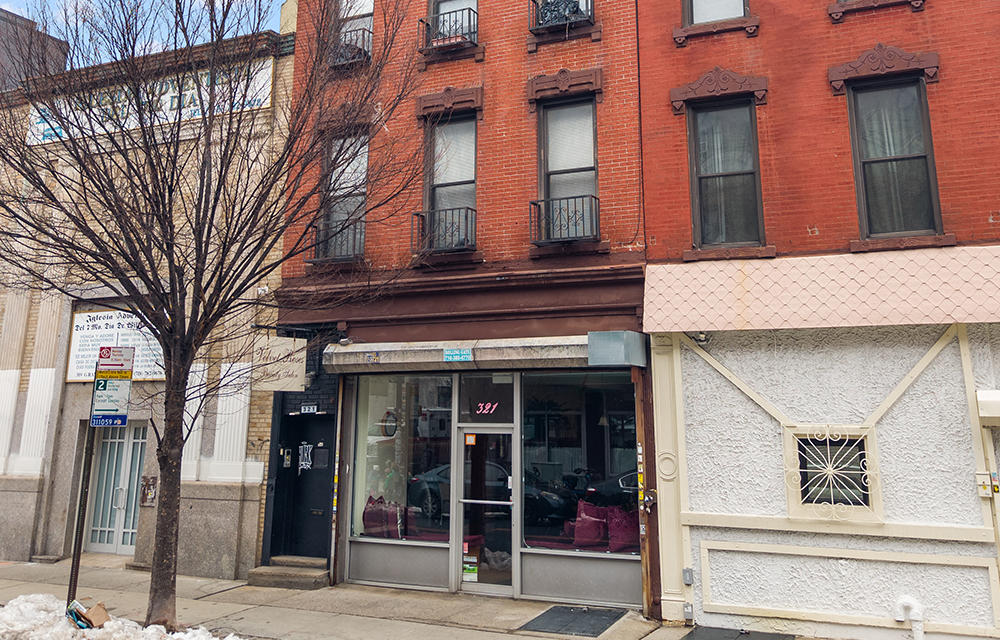
Brooklyn, NY Investment Property Realty Group (IPRG), a New York-based commercial investment firm, has closed the sale of 1094 Hancock St., a mixed-use building in the Bushwick section, for $1.75 million.


Quick Hits

Columns and Thought Leadership

Hunt commercial real estate question and answer: Fortune 500 wisdom - by David Hunt
Yes, there are lessons to be learned from the largest companies in America when comes to managing your real estate. But the decision to buy or lease real estate may not be one of

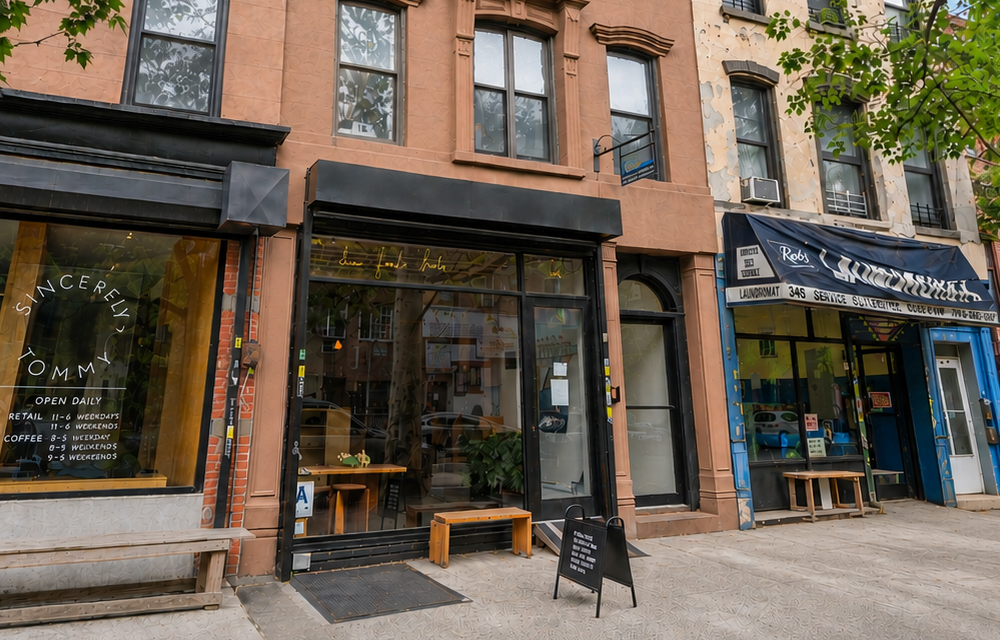
New York’s streets are full again, and the retail numbers prove it - by Noam Aziz
Walk down any New York block this year and you can feel it. The sidewalks are crowded, the storefronts are lit, and the energy that defines this city is back at full volume.

Hunt CRE question and answer: Choosing a real estate agent - by David Hunt
First, we will only work with one agent exclusively. The primary reason is that we want that agent to legally represent our client’s interests. In New York State, a real estate agent has a fiduciary

A guide to finding the right NYC property management company - by Sanjay Gandhi
Being a small to midsize landlord in NYC is an increasingly demanding endeavor. From navigating complex regulations, increased compliance demands to dealing with tenant issues and remediating violations. It is wise to enlist the assistance of a partner, a professional
.gif)