



News:
Brokerage
Posted: August 18, 2020
LIHC Investment Group and Rockport Mortgage close $65 million financing
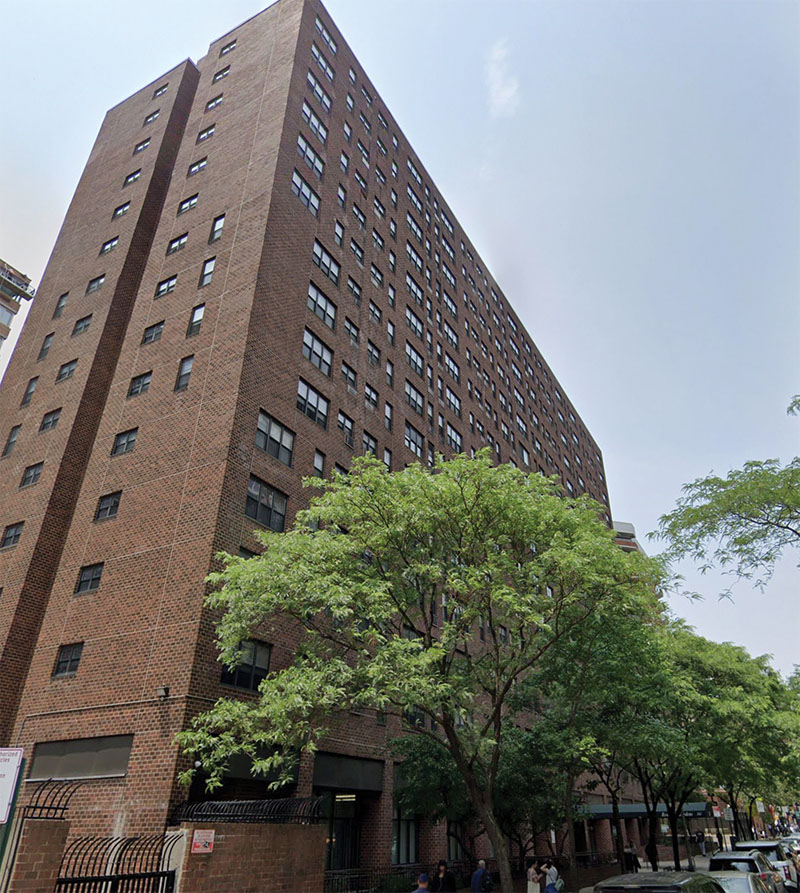
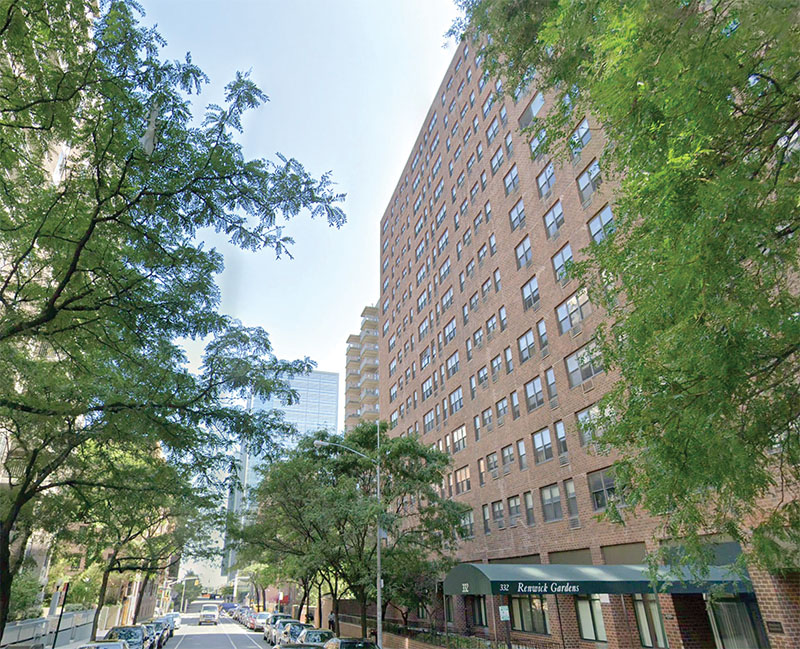 Manhattan, NY LIHC Investment Group and Rockport Mortgage Corp. closed a $65 million FHA Section 223(f) refinancing loan for Renwick Garden Apartments, a 224-unit subsidized Section 8 property supporting many elderly and disabled tenants located in the Kips Bay neighborhood. The development comprises a single 15-story building located at 332 East 29th St. and is owned by LIHC, one of the nation’s largest real estate investment groups committed to the preservation of affordable housing.
Renwick Gardens benefits from a Project-Based Section 8 Contract. As part of the loan refinancing, LIHC and HUD agreed to enter into a new 20-year Mark-up-to-Market Section 8 Contract extending the affordability of the property for another 29 years, through 2049. The funding will also be used to facilitate repairs at the property to enhance and improve residents’ quality of life, including renovated bathrooms for all units and upgrades to common areas throughout the building.
 “We appreciate the cooperation and commitment of Rockport and our partners at HUD and its regional New York City office to protect affordable senior housing in New York City neighborhoods where it’s needed most,” said Andrew Gendron, principal, LIHC Investment Group. “So far this year, we’ve extended the affordability of propert--ies that support lower-income older adults throughout our portfolio in New York City and New Jersey. We look forward to improving and fortifying these assets for the long-term and in doing so, provide peace of mind and an excellent experience for our residents.”
“LIHC and Rockport Mortgage have a longstanding partnership aligned by a common goal to rehabilitate and preserve thousands of units of affordable housing in New York City and beyond,” said Dan Lyons, managing partner and president of Rockport Mortgage. “There is a serious shortage of safe, affordable housing that people are proud to call home, particularly in metropolitan New York. Extending the affordability of this development and providing working capital to the owner for repairs and maintenance also ensures that the value of the property is preserved for many years to come. We recognize this wouldn’t be possible without the housing preservation programs provided by HUD and the incredible contributions made during these difficult times by HUD’s New York Regional Office.”
Tags:
Brokerage
MORE FROM Brokerage

Adirondack Capital Partners arranges $45 million sale of West Chelsea development site to Toll Brothers
Manhattan, NY Adirondack Capital Partners (ACP) closed the $45 million sale of 126/128 Tenth Ave. and 456 W. 18th St. to Toll Brothers City Living. The acquisition forms part of a broader





Quick Hits
 (2).gif)

Columns and Thought Leadership

New York’s streets are full again, and the retail numbers prove it - by Noam Aziz
Walk down any New York block this year and you can feel it. The sidewalks are crowded, the storefronts are lit, and the energy that defines this city is back at full volume.

A guide to finding the right NYC property management company - by Sanjay Gandhi
Being a small to midsize landlord in NYC is an increasingly demanding endeavor. From navigating complex regulations, increased compliance demands to dealing with tenant issues and remediating violations. It is wise to enlist the assistance of a partner, a professional

Positive forecast for New York’s pro-housing push? - by Philip Butler
New York’s housing crisis remains a hot button topic despite growing consensus that varied and affordable housing is desperately needed statewide. Governor Hochul has recently introduced several initiatives to overcome N.Y.’s anti-housing

Hunt commercial real estate question and answer: Fortune 500 wisdom - by David Hunt
Yes, there are lessons to be learned from the largest companies in America when comes to managing your real estate. But the decision to buy or lease real estate may not be one of
.gif)