



News:
Brokerage
Posted: July 16, 2012
Lightstone Group expands into New York City market
The Lightstone Group is now expanding in N.Y.C. The privately held REIT recently tapped N.Y. developer Dennis Freed to oversee three upcoming N.Y. projects and its citywide efforts.
He has help-ed redefine the city's skyline over the past three decades, collaborating on more than 40 skyscrapers alongside architects including Pritzker Prize winner Christian de Portzamparc, Cesar Pelli, Robert A.M. Stern Architects, SLCE Architects, Randolph "Randy" Gerner and sustainable-design driven Cook+Fox Architects.
"The New York real estate market appears to be getting busy once again but you need to build smart and be innovative," said Freed, senior vice president of development and construction for Lightstone. "Lightstone has a number of residential and mixed-use New York City developments underway."
Prior to joining Lightstone, Freed supervised the construction of dozens of buildings in New York City. Some of his most notable projects include: overseeing the construction for the interior renovation of the world-famous Solomon S. Guggenheim Museum, the high-rise residential Ariel East and West and the LEED Gold-rated, residential high-rise Tribeca Green - Battery Park City. Freed also served as principal in charge and senior vice president for the Lend Lease Corp and held senior construction positions at George A. Fuller Construction and HRH Construction.
"We are committed to growing our footprint in New York City and are delighted to welcome Dennis to our team," said David Lichtenstein, Lightstone Founder and Chairman. "His skills and experience are instrumental to advancing our entry and development in this city."
About The Lightstone Group
Founded in 1988 by David Lichtenstein, Lightstone has grown to become one of the largest privately held real estate companies in the United States. Its diversified portfolio of industrial, office, retail and residential real estate assets includes 9 million square feet of commercial space and more than 11,000 multifamily units in 20 states and Puerto Rico.
Lightstone manages its business through operating platforms, each focused on a specific real estate asset class. Headquartered in New York, Lightstone employs more than 450 professionals. For more information, visit www.lightstonegroup.com.
Tags:
Brokerage
MORE FROM Brokerage
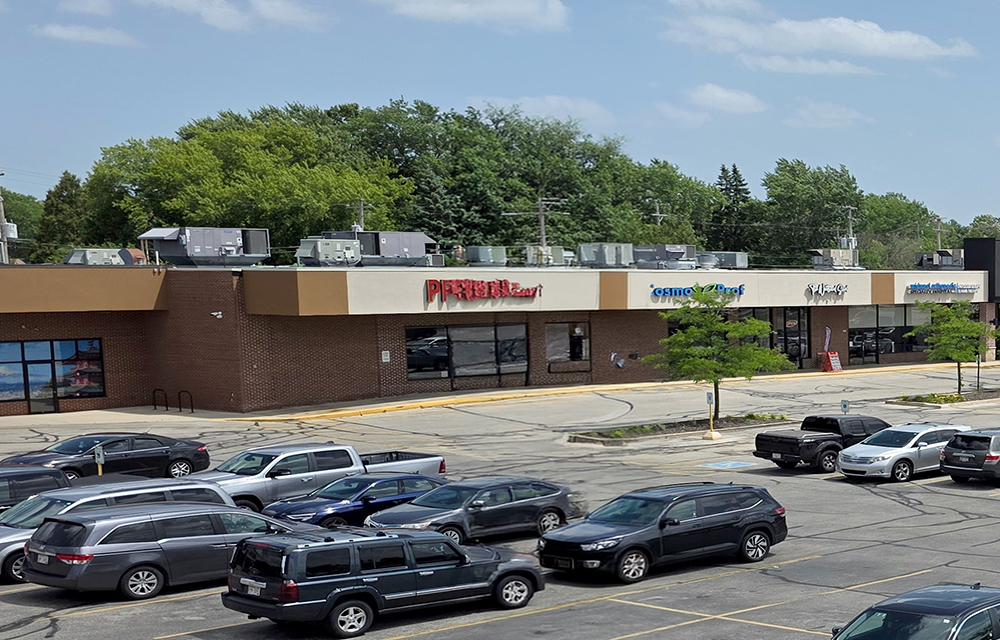
United Properties Corp. expands Wisconsin and Illinois retail presence adding 200,000 s/f
West Allis, WI United Properties Corp. completed two retail acquisitions totaling $27.4 million across Illinois and Wisconsin, adding 205,000 s/f of shopping center space to its portfolio



Quick Hits

Columns and Thought Leadership

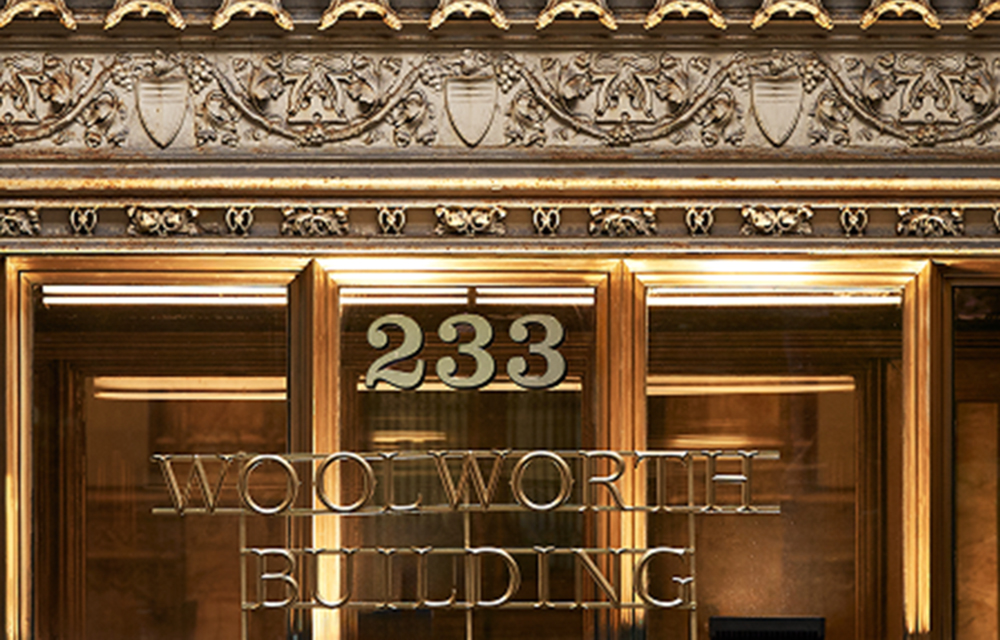
Hunt commercial real estate question and answer: Fortune 500 wisdom - by David Hunt
Yes, there are lessons to be learned from the largest companies in America when comes to managing your real estate. But the decision to buy or lease real estate may not be one of

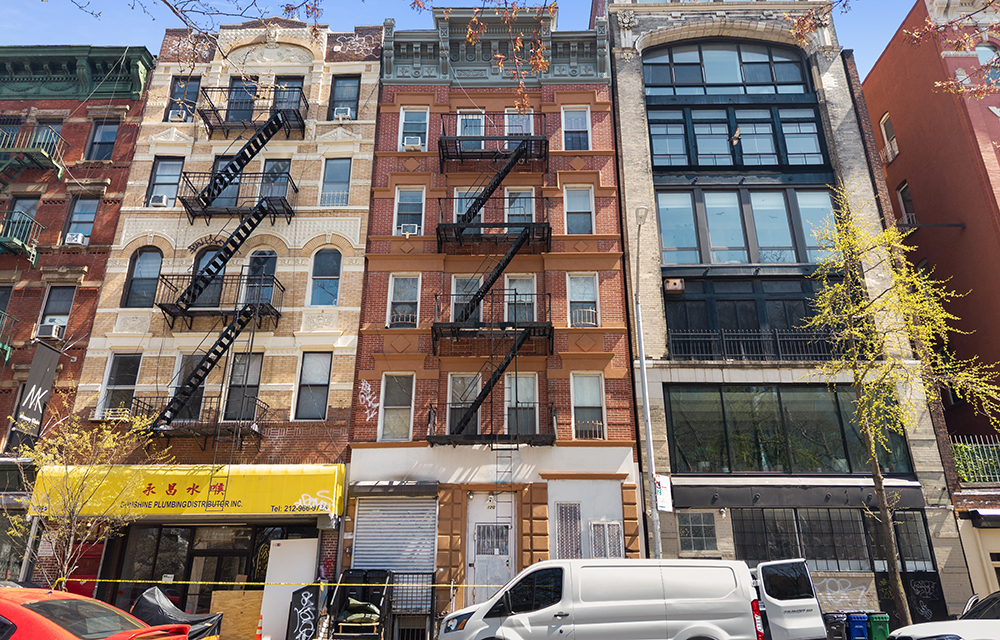
Positive forecast for New York’s pro-housing push? - by Philip Butler
New York’s housing crisis remains a hot button topic despite growing consensus that varied and affordable housing is desperately needed statewide. Governor Hochul has recently introduced several initiatives to overcome N.Y.’s anti-housing

New York’s streets are full again, and the retail numbers prove it - by Noam Aziz
Walk down any New York block this year and you can feel it. The sidewalks are crowded, the storefronts are lit, and the energy that defines this city is back at full volume.

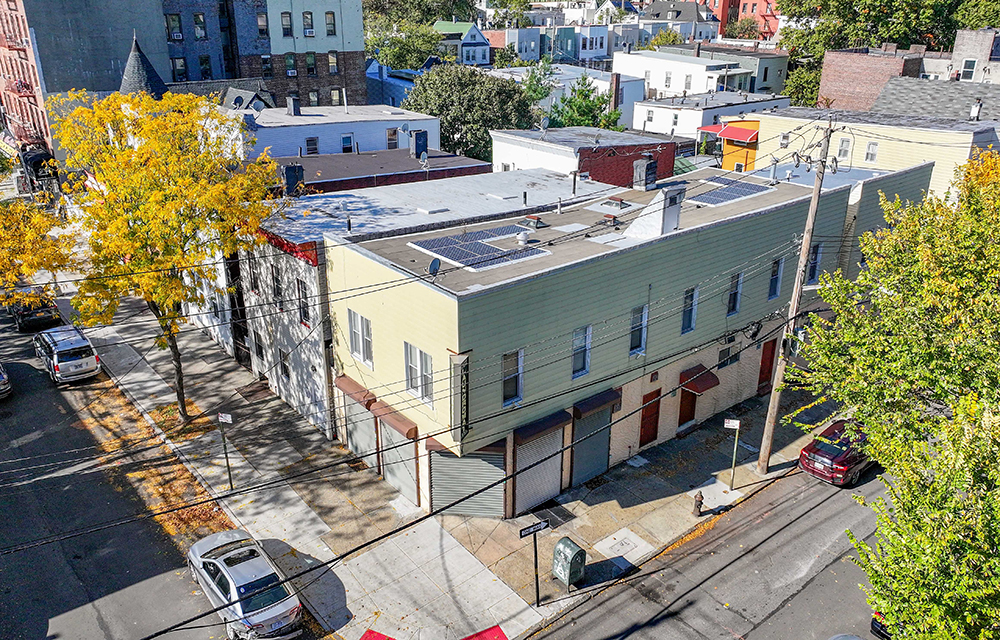
A guide to finding the right NYC property management company - by Sanjay Gandhi
Being a small to midsize landlord in NYC is an increasingly demanding endeavor. From navigating complex regulations, increased compliance demands to dealing with tenant issues and remediating violations. It is wise to enlist the assistance of a partner, a professional
.gif)