



News:
Brokerage
Posted: August 13, 2024
Leviticus Fund closes on $18.3 million in lending capital from New York Green Bank’s CDF program
Tarrytown, NY The Leviticus Fund closed on an $18.3 million investment from the NY Green Bank’s Community Decarbonization Fund (CDF). This low-cost capital will enable the Leviticus Fund to support and finance building decarbonization projects benefiting historically underserved communities in New York.
“We are in an intergenerational relay race against the slow-motion global catastrophe of climate change,” said Greg Maher, executive director of the Leviticus Fund. “In 2023, we began to lay the groundwork for a green lending program to help deliver energy equity in affordable housing. The CDF has provided significant capital to stand up our green lending initiative.”
The Green & Equitable Access Resource (GEAR) Fund will lend below the Leviticus Fund’s standard interest rate to help developers include decarbonization and energy efficiency technologies in their building plans. These loans will support New York State clean energy policies, including the Climate Leadership and Community Protection Act.
According to Maher, the GEAR Fund will meet a growing need. “Our borrowers told us that it was difficult to make project budgets work when adding the cost of green technologies, especially for retrofits of existing buildings. GEAR lending will support efficiency-first tactics like weatherization and load reduction to maximize bill savings, improve comfort, and foster healthy, clean, and resilient buildings and communities.”
The GEAR Fund factors energy performance, efficiency and decarbonization into the lending process. The initiative will provide incentives to transition buildings with fossil fuel heat, cooling and hot water systems to those powered by electricity; tighten a building’s envelope to reduce overall energy usage through conservation and performance optimization; and help ensure that new construction is built to a recognized green standard.
“Forty years ago, one of the goals of the founders of the Leviticus Fund was to protect and share the earth’s resources,” said Maher.
“We are grateful that capital from the New York Green Bank will help the Leviticus Fund become a partner in efforts to provide funding for buildings in disadvantaged communities, which are often overlooked by mainstream financing sources. We are eager to deploy these new lending resources in communities that we have been working in for decades and use our GEAR Fund to help create a healthier environment for everyone.”
The Leviticus Fund’s lending focuses on stabilizing and improving the economic and social conditions of low-income individuals and families, and providing flexible financing and technical assistance to a wide array of projects that align with its mission.
Tags:
Brokerage
MORE FROM Brokerage
Koeppel Rosen inks 16-year 33,783 s/f lease for coworking firm Nomadworks at 122 West 27th St.
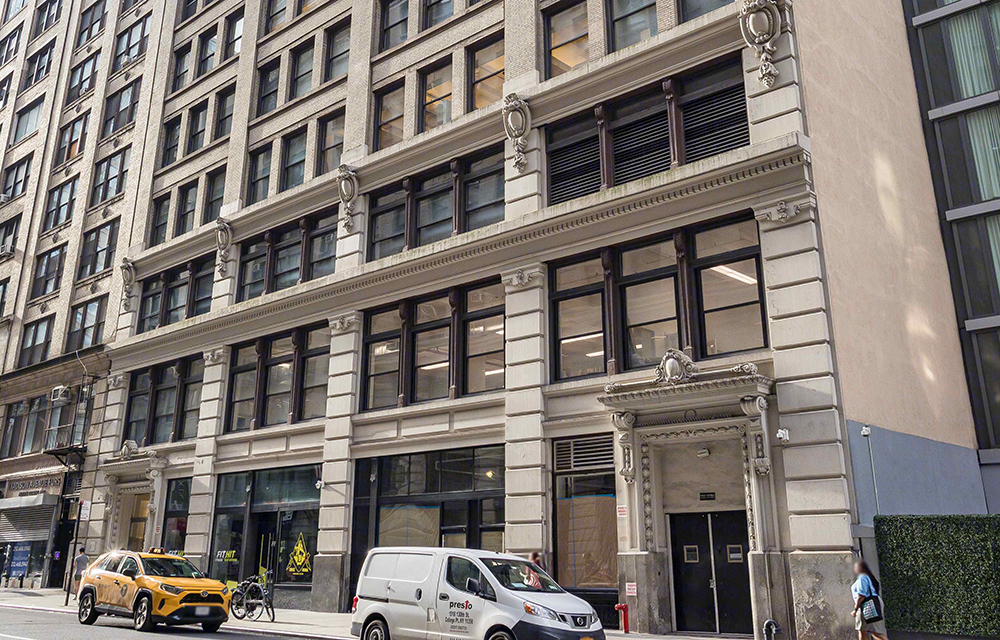
Manhattan, NY According to Koeppel Rosen LLC, leasing and management agent for the Rosen family portfolio, Nomadworks has signed a new 16-year, two-month lease totaling 33,783 s/f at 122 West



Columns and Thought Leadership
The art of investing in real estate - by Thomas Donovan
Real estate investing is as much an art as it is a skill. No one can time the market, or the factors that drive it, perfectly. Location, zoning, size, transportation, and neighborhood density give you a baseline for

Hunt CRE question and answer: Choosing a real estate agent - by David Hunt
First, we will only work with one agent exclusively. The primary reason is that we want that agent to legally represent our client’s interests. In New York State, a real estate agent has a fiduciary

Hunt commercial real estate question and answer: Fortune 500 wisdom - by David Hunt
Yes, there are lessons to be learned from the largest companies in America when comes to managing your real estate. But the decision to buy or lease real estate may not be one of

New York’s streets are full again, and the retail numbers prove it - by Noam Aziz
Walk down any New York block this year and you can feel it. The sidewalks are crowded, the storefronts are lit, and the energy that defines this city is back at full volume.
.gif)