



News:
Brokerage
Posted: September 22, 2015
Levine and Berkes of Meridian Capital negotiate $122.8 million acquisition loan

416 West 52nd Street - New York, NY

416 West 52nd Street - New York, NY
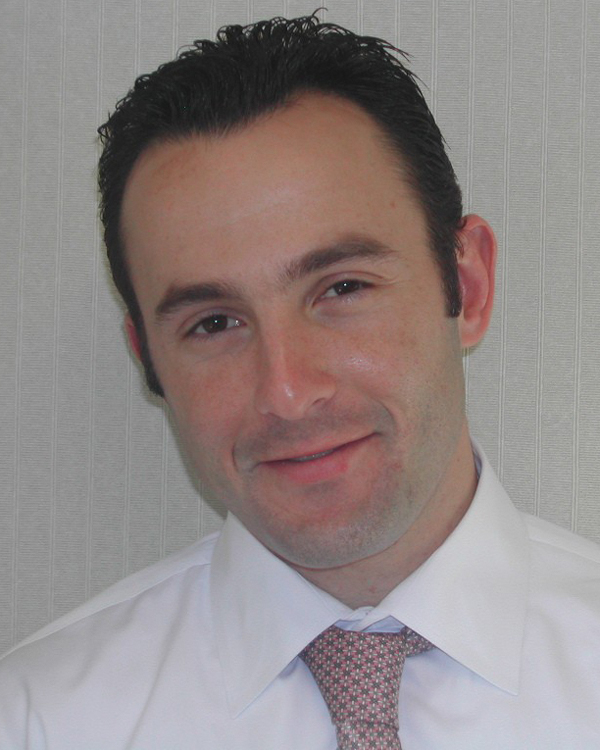 Ronnie Levine, Meridian Capital
New York, NY Meridian Capital Group has negotiated a $122.8 million acquisition loan for the purchase of a vacant residential property on behalf of Gaia Real Estate.
The 36-month loan, provided by TPG Real Estate Finance, features a floating-rate and two 12-month options. This transaction was negotiated by Meridian senior managing director, Ronnie Levine, and managing director, Jeff Berkes, who are both based in the company’s NYC headquarters. The vacant seven-story residential property, located at 416 West 52nd St. between Ninth and Tenth Aves., totals 156 units and 141,350 s/f. The 1940 construction building was formerly home to St. Vincent’s midtown hospital and was fully gut-renovated this year. All units are completely new and include premium appliances, custom cabinetry, designer fixtures, wood flooring and oversized windows. Building amenities include a furnished rooftop deck complete with 360-degree views, a fitness center and tenant lounge, as well as an expansive interior courtyard. Located in the city’s Special Clinton District, the property sits within an area characterized by significant limitations on the scale and scope of new development that has helped to preserve the low-rise architecture of the neighborhood. Residents of this 24/7, live, work and play environment enjoy unmatched access to Midtown West, the Theatre District, Central Park, Columbus Circle, Hudson River Park and the numerous notable restaurants and shopping destinations lining Ninth Ave. and the surrounding area.
“We were extremely pleased with Meridian’s professionalism and ability to quickly make a market for this transaction. We received numerous bids to finance the acquisition and the outcome was very positive on all accounts,” said Danny Fishman, a managing partner at Gaia.
“Meridian’s team is very familiar with this property and previously arranged the acquisition and renovation financing for it on behalf of a different ownership group,” said Levine. “Having this unique perspective allowed us to quickly highlight the merits of the transaction to lenders and structure favorable terms based on the strength of Gaia’s business plan.”
Tags:
Brokerage
MORE FROM Brokerage

200E20TH sells out in Gramercy, penthouse A closes out sales at the CetraRuddy-designed condominium residences
Manhattan, NY 200E20TH, the CetraRuddy-designed architectural masterwork that brought a curved, contemporary sensibility to Gramercy’s Beaux-Arts streetscape, has




 (2).gif)

Columns and Thought Leadership

New York’s streets are full again, and the retail numbers prove it - by Noam Aziz
Walk down any New York block this year and you can feel it. The sidewalks are crowded, the storefronts are lit, and the energy that defines this city is back at full volume.

The art of investing in real estate - by Thomas Donovan
Real estate investing is as much an art as it is a skill. No one can time the market, or the factors that drive it, perfectly. Location, zoning, size, transportation, and neighborhood density give you a baseline for

Hunt commercial real estate question and answer: Fortune 500 wisdom - by David Hunt
Yes, there are lessons to be learned from the largest companies in America when comes to managing your real estate. But the decision to buy or lease real estate may not be one of

Hunt CRE question and answer: Choosing a real estate agent - by David Hunt
First, we will only work with one agent exclusively. The primary reason is that we want that agent to legally represent our client’s interests. In New York State, a real estate agent has a fiduciary
.gif)