



News:
Brokerage
Posted: July 15, 2013
Letter of Intent - Transferring Development Rights
In 1968, New York City led the nation as the first major city to implement a tactic to Transfer Development Rights, better known as a TDR program. We all know that air rights can be transferred to an adjacent building, or, from corner to corner (as long as the "Granting" and "Receiving" properties are located on the same intersection and the "Granting Property" is landmarked). What many of us are unaware of, are the additional programs in place created to benefit specific New York City districts and support the growth and development of a handful of city neighborhoods.
This program was originally instated to preserve historic districts and promote the creation of public spaces, as part of New York City's 2,800-page Zoning Resolution. Air Rights, as defined, is the available air space above a property that the owner has to enjoy, up to a reasonable distance as set forth in the Zoning Code. It is of course tempting for any investor/developer to utilize the excess development rights of an existing underutilized building to maximize the potential of their development site, but what about transferring air rights from a property not adjacent to one another?
Although little-known by many investors in Manhattan, there are programs in place which allow development rights to be transferred to non-adjacent buildings within certain districts. Development Rights may be transferred from a landmark building, to any other building in the district (of course with the permission of the and the Community Board). This was created to help alleviate the financial burden of an owner of a historic building, who was not allowed to further utilize the available air rights above their property. Another prime example is within Community District Five in Manhattan; development rights can be transferred from a building with the "Theater Class" designation to any other site within the same community board, with board approval. There are two other prime examples of the potential transfer of development rights, both in prime locales. The Grand Central Sub-district, as well as the South Street Seaport Sub-district, have the ability to transfer their rights to other sites in order to increase development and add to the revitalization of certain areas.
The remaining mechanism in place that can be employed to benefit development through the ability to transfer air rights to non-adjacent lots is the possibility to transfer Inclusionary Air Rights. The City Department of Housing Preservation and Development (HPD) enacted this Program in 1987, and it was originally intended specifically for R10 districts (NYC's most dense residential zoning), but within the past few years, the HPD has expanded the Program to include areas in several Manhattan, Brooklyn, and Queens locations. The "Receiving Site" must be within a half mile of the "Granting Site" in order to qualify, and must be granted a Certificate of Eligibility from the HPD.
Given the influx of international money, and the fact that lenders are becoming increasingly competitive in their construction loans, we expect that development rights will continue to be scooped up by savvy developers looking to capitalize on their under-utilized neighbors (or any other building meeting the criteria, for that matter).
Lee Silpe is the senior analyst at Berko & Associates, New York, N.Y.
Tags:
Brokerage
MORE FROM Brokerage
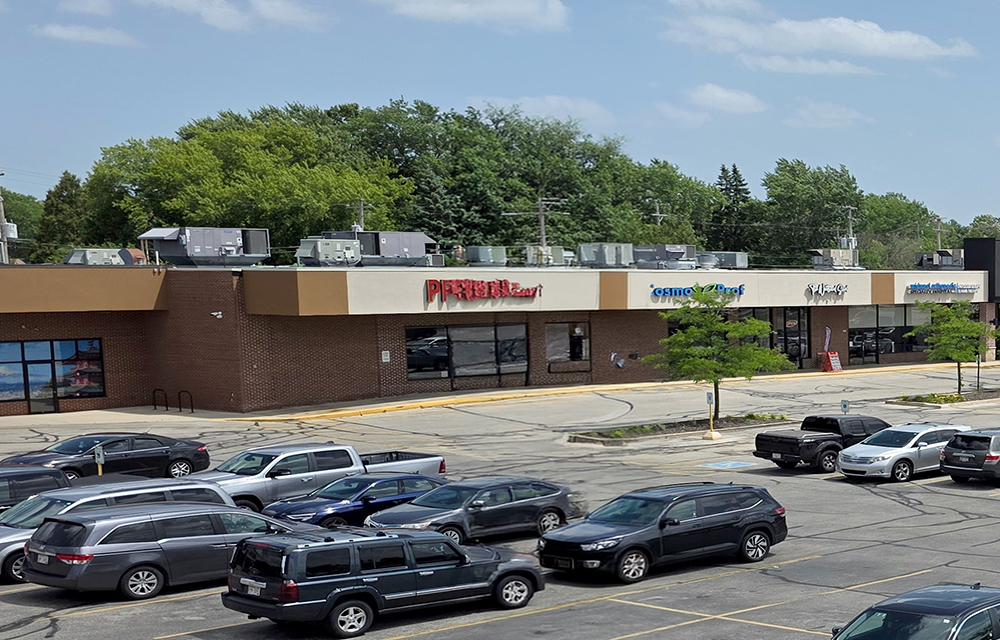
United Properties Corp. expands Wisconsin and Illinois retail presence adding 200,000 s/f
West Allis, WI United Properties Corp. completed two retail acquisitions totaling $27.4 million across Illinois and Wisconsin, adding 205,000 s/f of shopping center space to its portfolio



Quick Hits

Columns and Thought Leadership

New York’s streets are full again, and the retail numbers prove it - by Noam Aziz
Walk down any New York block this year and you can feel it. The sidewalks are crowded, the storefronts are lit, and the energy that defines this city is back at full volume.

A guide to finding the right NYC property management company - by Sanjay Gandhi
Being a small to midsize landlord in NYC is an increasingly demanding endeavor. From navigating complex regulations, increased compliance demands to dealing with tenant issues and remediating violations. It is wise to enlist the assistance of a partner, a professional

Hunt commercial real estate question and answer: Fortune 500 wisdom - by David Hunt
Yes, there are lessons to be learned from the largest companies in America when comes to managing your real estate. But the decision to buy or lease real estate may not be one of

Positive forecast for New York’s pro-housing push? - by Philip Butler
New York’s housing crisis remains a hot button topic despite growing consensus that varied and affordable housing is desperately needed statewide. Governor Hochul has recently introduced several initiatives to overcome N.Y.’s anti-housing
.gif)