



News:
Brokerage
Posted: September 9, 2013
Letter of Intent - Office Building Recovery
Sales of investment grade properties in New York City for the first half of 2013 totaled just shy of $18 billion across all commercial asset classes. This amount represents an increase of approximately 40% year-over-year. The key contributors to the flourishing N.Y.C. sales market: the lack of quality inventory, and the steady access to capital from both domestic and international lenders.
The driving force behind the numbers were the top trophy assets that traded in the first half, Although the market peak in 2007 drummed up over $65 billion in total activity, we believe that there will be a surge of activity in the second half of 2013. With prices jumping some 20% since that fourth quarter of 2007 and with over 25% increase in the average price per square foot for all asset classes since the 1st half of 2012.
Second only to multi-family, the hot office market is seeing strong gains in pricing. The robust Midtown market had the largest number of sales of class A buildings in the first half of the year with eleven trophy property trades, as compared to only one in the downtown market. The average sales price recorded for midtown market in the first half of 2013 was $1,029 per s/f, approximately 8.6% above the previous peak for Midtown class A average sales prices in 2007 when it reached $947 per s/f. There was a large gain in pricing in the second quarter due to the squeeze, where the upper echelon properties inked an average of $1,140 per s/f, up from $922 per s/f in the first quarter.
As the sales market was peaking in the late 2007-2008 period, the GM building at 767 Fifth Ave. was sold with the transaction closing in the second quarter of 2008. That sale valued the building at $1,564 per s/f. This year, foreign investors purchased a 40% interest in the building and the estimated valuation for this asset was $1,889 per s/f, 20.8% higher than at the peak in the previous cycle.
There were thirteen Class B transactions completed in the first half of 2013 for an average price of $645 per s/f. The previous peak level was reached in 2007, when the average for the year was $608 per s/f, a 6% increase.
Lee Silpe is the senior analyst at Berko & Associates, New York, N.Y.
Tags:
Brokerage
MORE FROM Brokerage
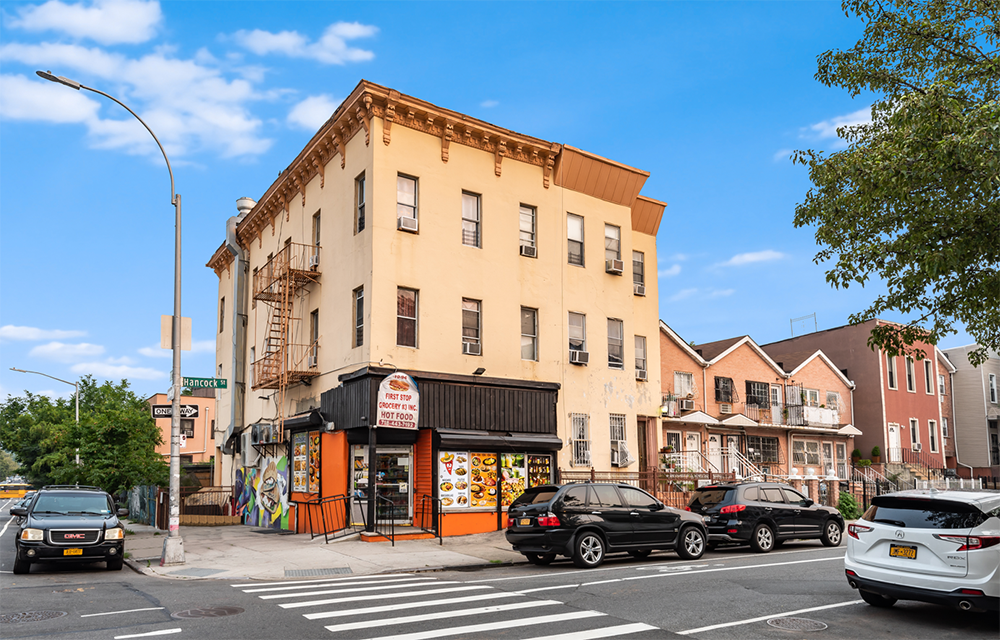
Investment Property Realty Group closes $1.75 million sale of 1094 Hancock Street in Brooklyn
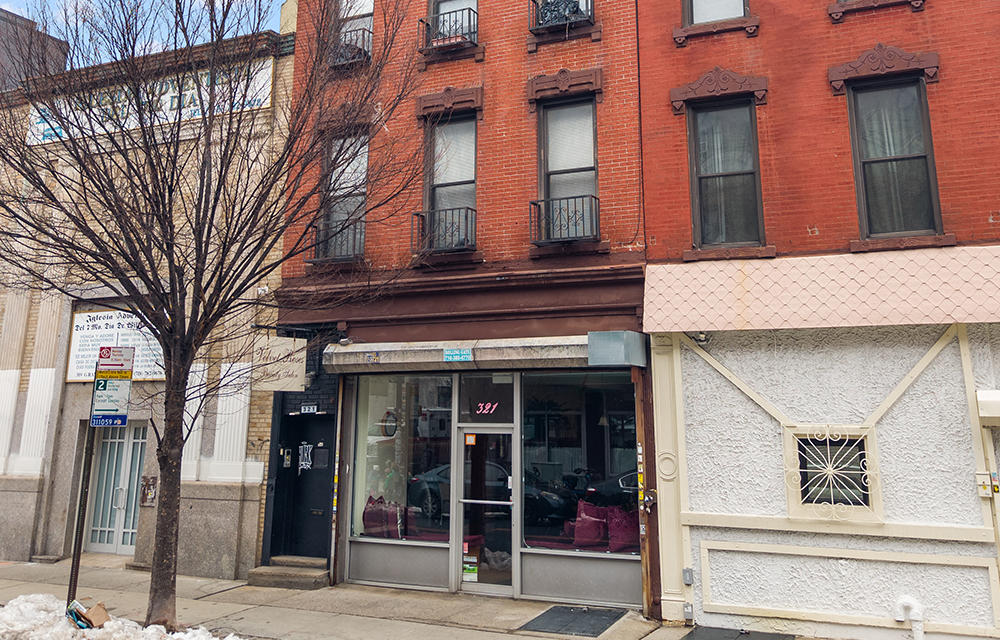
Brooklyn, NY Investment Property Realty Group (IPRG), a New York-based commercial investment firm, has closed the sale of 1094 Hancock St., a mixed-use building in the Bushwick section, for $1.75 million.


Quick Hits

Columns and Thought Leadership

Hunt commercial real estate question and answer: Fortune 500 wisdom - by David Hunt
Yes, there are lessons to be learned from the largest companies in America when comes to managing your real estate. But the decision to buy or lease real estate may not be one of

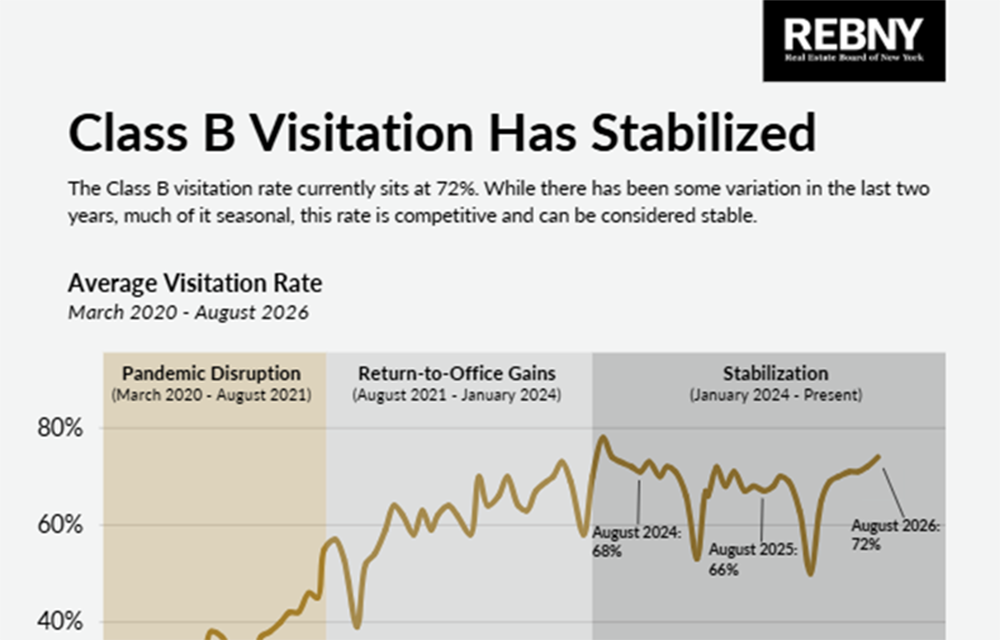
New York’s streets are full again, and the retail numbers prove it - by Noam Aziz
Walk down any New York block this year and you can feel it. The sidewalks are crowded, the storefronts are lit, and the energy that defines this city is back at full volume.

A guide to finding the right NYC property management company - by Sanjay Gandhi
Being a small to midsize landlord in NYC is an increasingly demanding endeavor. From navigating complex regulations, increased compliance demands to dealing with tenant issues and remediating violations. It is wise to enlist the assistance of a partner, a professional

Hunt CRE question and answer: Choosing a real estate agent - by David Hunt
First, we will only work with one agent exclusively. The primary reason is that we want that agent to legally represent our client’s interests. In New York State, a real estate agent has a fiduciary
.gif)