



News:
Brokerage
Posted: February 12, 2013
Letter of Intent - Obstacles in Hotel Construction Financing
In the midst of the global predicament comes another hurdle for hoteliers to jump over; hotel construction financing has become increasingly difficult to achieve. While financing for the purchase or refinancing of strong hotel properties in New York remains strong, private funding for construction or redevelopment has been quite stringent. Hospitality financing groups have been actively seeking projects of all shapes and sizes, but are more inclined to look for low-leverage deals.
The equity necessary from the principal, as well as the strength and experience of the investor group, can be a determining factor in the terms and conditions of the loan. According to an HVS Career Network survey, financial stability, capital, and easy access to equity are critical characteristics. The experience necessary to push ahead on a loan from a traditional lender can far exceed the number of notches on most developers' belts, and although financing rates are extremely aggressive, money is only awarded to those who can prove time and again that they know how to develop and own a hotel from soup to nuts. Surprisingly, there has been a major movement towards funding boutique hotels, as the cash-flows prove their worthiness in an ever-strong New York City market.
It is also important to understand some of the current products in the market. While traditional lenders are offering leverage hovering around 65% for boutique hotels and 70% for flagged hotels, there are alternative financing options available as well. USDA Business & Industry loans are offered by lenders but guaranteed by the government. Rates on this loan differ from lender to lender but hover around Prime+2.75% and can be up to 80% guaranteed.
Current rates that Berko & Associates have seen from traditional lenders are in the Prime+2% range with a floor of 6%. In addition to conventional lenders, there are other options. EB-5 Financing has begun to play an integral role for the development of many hotels. So much, in fact, that Marriott is actually urging developers to utilize the program to build hotels and add to their portfolio. Although EB-5 can be very difficult, and intermediaries are quite picky about which projects are chosen for the program, the benefits can be very fruitful for qualified developers.
Lastly, it is of the utmost importance that a borrower choose the right lender not solely based upon the numbers because let's face it, they don't differ all that much, but also on the comfort level that the borrower has with the lender, as they will be significantly intertwined throughout the building process.
Lee Silpe is the senior analyst at Berko & Associates,New York, N.Y.
Tags:
Brokerage
MORE FROM Brokerage
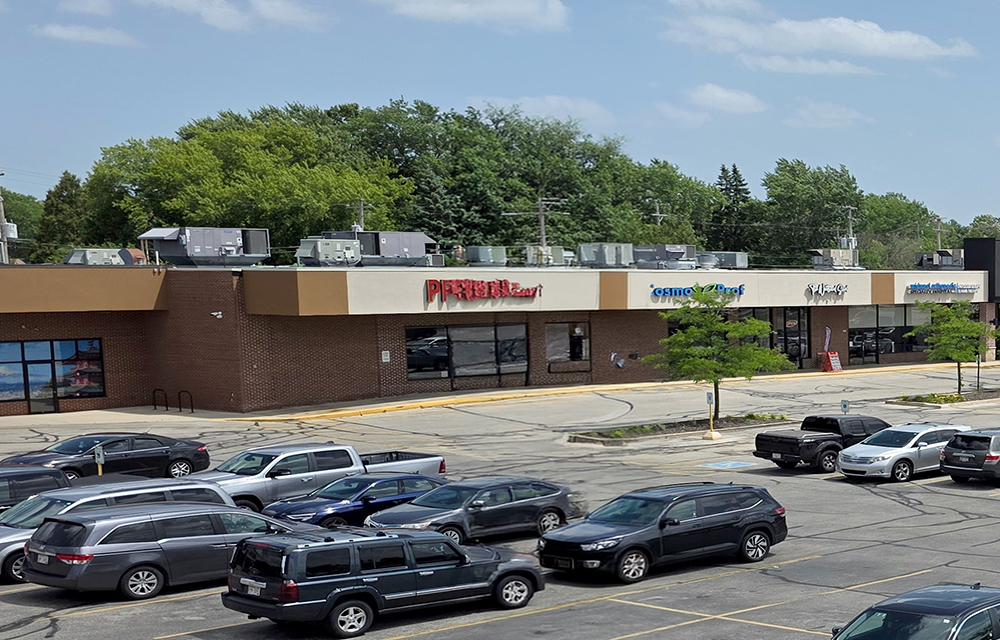
United Properties Corp. expands Wisconsin and Illinois retail presence adding 200,000 s/f
West Allis, WI United Properties Corp. completed two retail acquisitions totaling $27.4 million across Illinois and Wisconsin, adding 205,000 s/f of shopping center space to its portfolio






Quick Hits

Columns and Thought Leadership

Positive forecast for New York’s pro-housing push? - by Philip Butler
New York’s housing crisis remains a hot button topic despite growing consensus that varied and affordable housing is desperately needed statewide. Governor Hochul has recently introduced several initiatives to overcome N.Y.’s anti-housing

Hunt commercial real estate question and answer: Fortune 500 wisdom - by David Hunt
Yes, there are lessons to be learned from the largest companies in America when comes to managing your real estate. But the decision to buy or lease real estate may not be one of

New York’s streets are full again, and the retail numbers prove it - by Noam Aziz
Walk down any New York block this year and you can feel it. The sidewalks are crowded, the storefronts are lit, and the energy that defines this city is back at full volume.

A guide to finding the right NYC property management company - by Sanjay Gandhi
Being a small to midsize landlord in NYC is an increasingly demanding endeavor. From navigating complex regulations, increased compliance demands to dealing with tenant issues and remediating violations. It is wise to enlist the assistance of a partner, a professional
.gif)