



News:
Brokerage
Posted: June 23, 2026
Lee & Associates NYC arranges Fred Astaire Dance Studios’ New Park Slope location at 508 Fifth Ave.

Brooklyn, NY Lee & Associates NYC has arranged a new 10-year lease for Fred Astaire Dance Studios at 508 Fifth Ave. in Park Slope. The internationally recognized dance franchise has leased 2,500 s/f of ground-floor retail space and is expected to open its doors in September 2026.
Senior managing director Claude Kolb of Lee & Associates NYC represented Fred Astaire Dance Studios. Peter Yoon of RIPCO Real Estate represented the landlord, Zita Properties. The asking rent was $72 per s/f. The space was formerly occupied by Bobby Sports Wear.
The Park Slope lease represents the sixth Fred Astaire Dance Studios location that Kolb has completed on behalf of the current franchisee, which has been actively expanding throughout New York and its suburbs. Kolb continues to work closely with ownership as the company expands throughout New York and its surrounding suburbs. He is assisting with an additional location in White Plains, which would mark the seventh Fred Astaire Dance Studios location completed through the relationship.
“Fred Astaire Dance Studios has been very deliberate in its growth strategy, focusing on communities where demographics, lifestyle and disposable income align with its business model,” said Kolb. “Park Slope checked all of the boxes. The neighborhood has exactly the type of resident base that values enrichment, wellness and social experiences, making it an ideal fit for ballroom dancing. It’s been rewarding to help this ownership group identify and secure locations that support their continued expansion throughout New York and the suburbs.”
Founded more than 80 years ago, Fred Astaire Dance Studios operates more than 140 locations throughout the U.S. and is one of the world’s most recognized dance instruction brands. The new Brooklyn studio will bring its signature ballroom, Latin and social dance programming to one of the borough’s most vibrant residential neighborhoods.
Park Slope’s strong household incomes, family-oriented atmosphere and active community have made it one of Brooklyn’s most sought-after retail corridors. The arrival of Fred Astaire Dance Studios further diversifies the neighborhood’s mix of experiential and service-oriented businesses.
Tags:
Brokerage
New York City
MORE FROM Brokerage
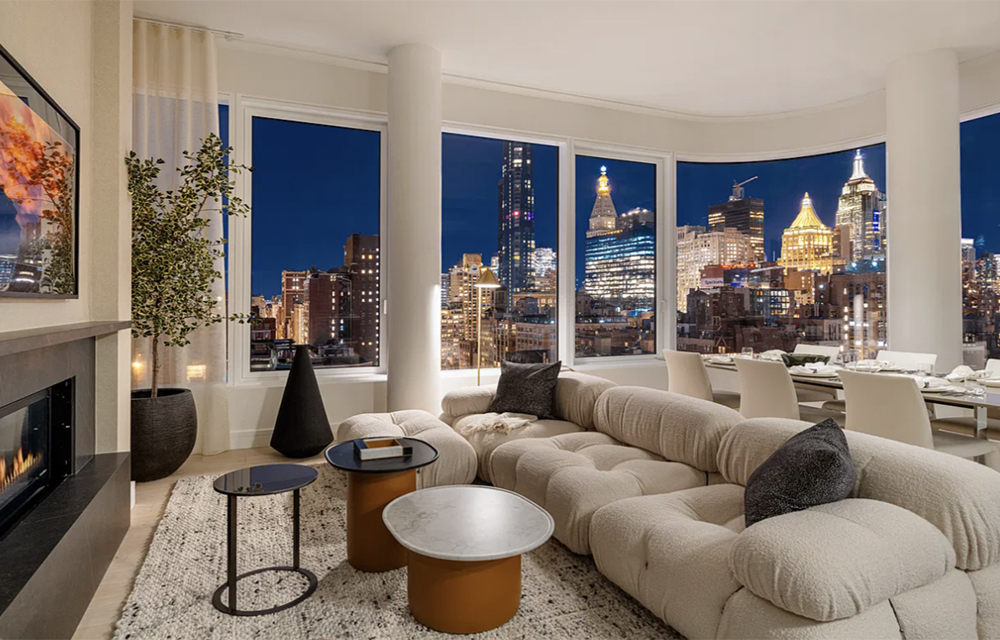
200E20TH sells out in Gramercy, penthouse A closes out sales at the CetraRuddy-designed condominium residences
Manhattan, NY 200E20TH, the CetraRuddy-designed architectural masterwork that brought a curved, contemporary sensibility to Gramercy’s Beaux-Arts streetscape, has





Quick Hits

Columns and Thought Leadership

Hunt commercial real estate question and answer: Fortune 500 wisdom - by David Hunt
Yes, there are lessons to be learned from the largest companies in America when comes to managing your real estate. But the decision to buy or lease real estate may not be one of

Hunt CRE question and answer: Choosing a real estate agent - by David Hunt
First, we will only work with one agent exclusively. The primary reason is that we want that agent to legally represent our client’s interests. In New York State, a real estate agent has a fiduciary

New York’s streets are full again, and the retail numbers prove it - by Noam Aziz
Walk down any New York block this year and you can feel it. The sidewalks are crowded, the storefronts are lit, and the energy that defines this city is back at full volume.

The art of investing in real estate - by Thomas Donovan
Real estate investing is as much an art as it is a skill. No one can time the market, or the factors that drive it, perfectly. Location, zoning, size, transportation, and neighborhood density give you a baseline for
.gif)