



News:
Brokerage
Posted: March 30, 2026
Lee & Associates NYC arranges 17,000 s/f lease on behalf of Hydrogen Fitness, bringing high-end fitness concept to Murray Hill
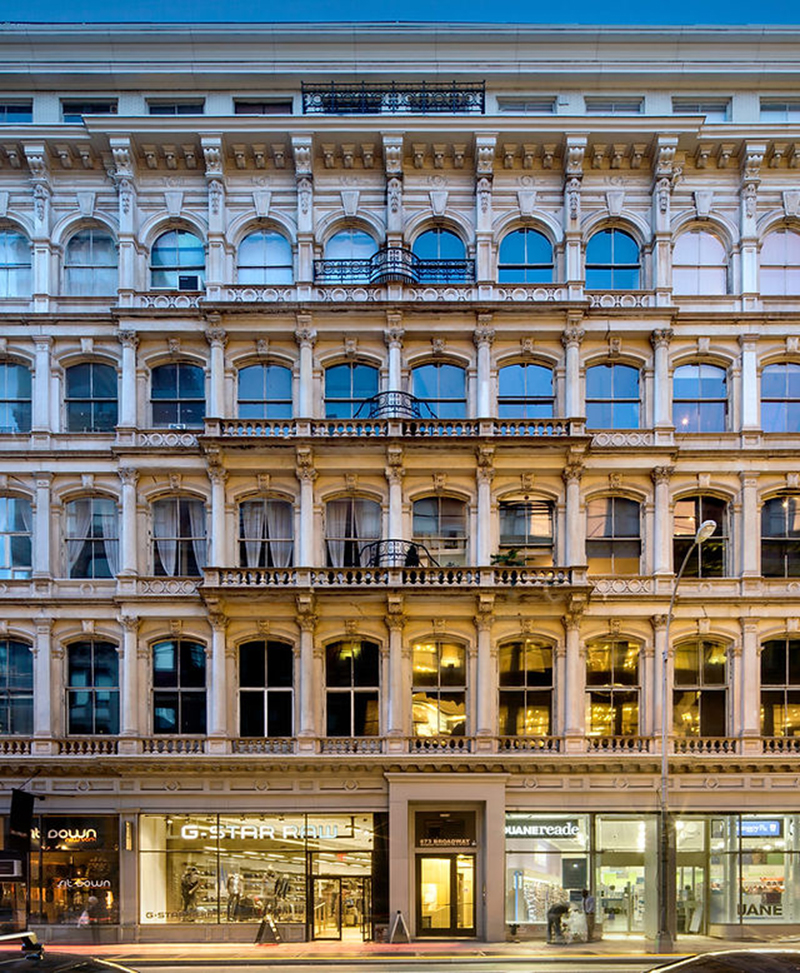
Manhattan, NY Lee & Associates NYC arranged a 17,000 s/f retail lease with Hydrogen Fitness at 145 East 32nd St. in the Murray Hill neighborhood. The 15-year lease marks Hydrogen Fitness’s first location in the city as the brand expands its high-end fitness concept into New York City.
Hydrogen Fitness will occupy the ground floor, lower level and mezzanine levels of the building, creating a dynamic, multi-level fitness destination designed to serve the neighborhood’s residential and professional population.
Thomas Capuano of Okada & Company represented the landlord, Meyer Equities; Lee & Associates NYC’s Cory Gahr and Josh Lebowitz represented the tenant. Hydrogen Fitness is expected to open its new facility in January 2027.
“Hydrogen Fitness recognized the opportunity to establish a flagship presence in Murray Hill, where strong residential density and consistent daytime population create an ideal environment for a premium fitness offering. We’re seeing increasing interest from operators who want to deliver a more elevated, amenity-driven experience, and this space was uniquely positioned to accommodate that vision,” said Gahr.
Hydrogen Fitness, which operates locations in Greenwich, Conn. and Scarsdale, N.Y., is known for its upscale approach to health and wellness, offering a curated fitness experience tailored to discerning clientele. Founded in 2020 by Jonathan Gutwein and Andrew Pinon, the brand delivers an Equinox-quality experience at a more accessible price point, targeting the underserved middle market. As consumers become increasingly price-sensitive and the fitness landscape bifurcates between low-cost gyms and ultra-premium clubs, Hydrogen Fitness fills a clear gap — a luxury gym for less. Each location features top-of-the-line equipment, a robust schedule of classes, recovery treatments, sauna and steam rooms, as well as a 24-hour juice and smoothie concept, the Hydro Bar.
The space, formerly occupied by NY MRI, presented a rare opportunity for a large-format fitness user to secure a multi-level footprint in a Midtown location. The transaction underscores continued leasing momentum for large retail concepts across Manhattan, particularly in neighborhoods with strong live-work-play dynamics.
MORE FROM Brokerage
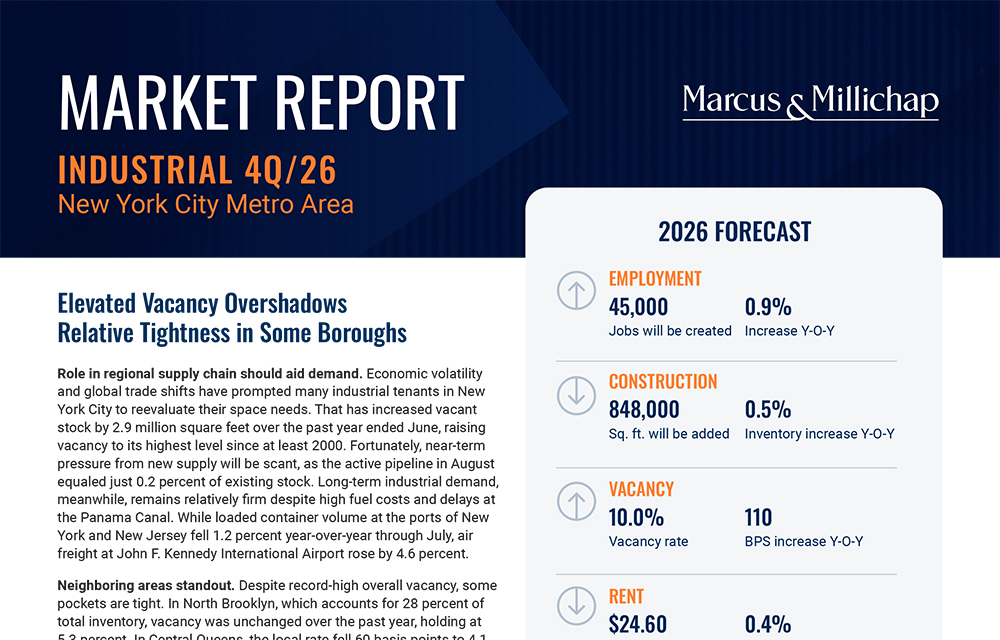
Marcus & Millichap releases fourth-quarter 2026 NYC industrial market report
Manhattan, NY Marcus & Millichap has published its fourth-quarter 2026 New York City Industrial Market Report. “New York City’s industrial market is showing a clear





Quick Hits
 (2).gif)

Columns and Thought Leadership

Hunt commercial real estate question and answer: Fortune 500 wisdom - by David Hunt
Yes, there are lessons to be learned from the largest companies in America when comes to managing your real estate. But the decision to buy or lease real estate may not be one of

Hunt CRE question and answer: Choosing a real estate agent - by David Hunt
First, we will only work with one agent exclusively. The primary reason is that we want that agent to legally represent our client’s interests. In New York State, a real estate agent has a fiduciary

New York’s streets are full again, and the retail numbers prove it - by Noam Aziz
Walk down any New York block this year and you can feel it. The sidewalks are crowded, the storefronts are lit, and the energy that defines this city is back at full volume.

The art of investing in real estate - by Thomas Donovan
Real estate investing is as much an art as it is a skill. No one can time the market, or the factors that drive it, perfectly. Location, zoning, size, transportation, and neighborhood density give you a baseline for
.gif)