



News:
Brokerage
Posted: June 16, 2020
Law: Land surveys – Costs and benefits by Lindsay Mesh Lotito

A property survey’s importance cannot be understated. Surveys show: Dimensions/description of the premises; location of buildings, fences and other improvements; relationship between the subject property and adjoining parcels, including encroachments by a neighboring property onto the subject property, and vice-a-versa; and provides discovery of facts that may not be of record, i.e. water courses, utility lines, easements, etc. It is “read into” and becomes part of the title insurance policy. The cost of a survey can be significant, depending on the size and layout of the parcel.
Whether purchasing or refinancing a property, owners are generally faced with two options: Obtaining a new survey, or updating an existing survey. Prices can vary greatly for either option; factors determining the price of the survey-size of the property, accessibility, time spent by surveyor and the survey company itself.
Whether to obtain a new survey or update an existing survey depends on the age of an existing survey; whether there have been changes to structures on or around the property; size of the transaction; and requirements of the owner’s lender.
A borrower who owned property for many years and is refinancing a mortgage loan wants to minimize closing costs, including paying for a new survey. A lender accepting an updated survey depends on: Who the old survey is certified to; if the survey conforms to the legal description; and when it was last updated. An updated survey is useful, to the extent it identifies changes to the property since the date of the old survey.
In certain special circumstances, a borrower can avoid getting a new or updated survey altogether, where a title company will ensure the lender there are no changes to a property, based on the property owner’s affidavit.
Whether to update or get a new survey is a property-specific decision made in consultation with your attorney.
Lindsay Mesh Lotito is a banking & finance and RE attorney at Forchelli Deegan Terrana LLP, Uniondale, N.Y.
Tags:
Brokerage
MORE FROM Brokerage
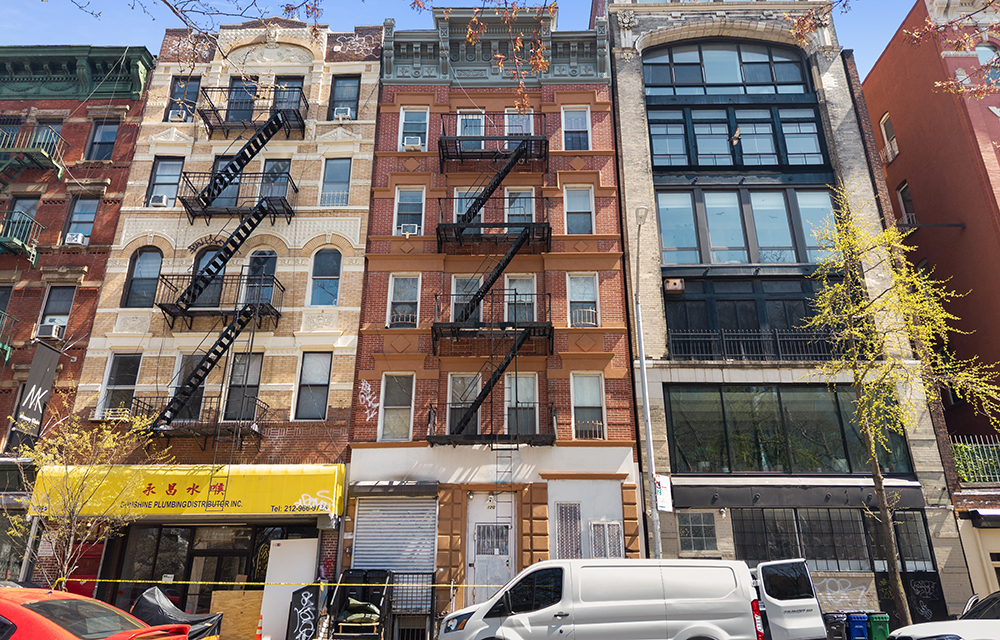
Investment Property Realty Group sells 120 Forsyth St. for $1.35 million
Manhattan, NY Investment Property Realty Group (IPRG) closed the sale of 120 Forsyth St., a mixed-use building located in the Lower East Side section of the city, for $1.35 million.




Quick Hits

Columns and Thought Leadership

New York’s streets are full again, and the retail numbers prove it - by Noam Aziz
Walk down any New York block this year and you can feel it. The sidewalks are crowded, the storefronts are lit, and the energy that defines this city is back at full volume.

Positive forecast for New York’s pro-housing push? - by Philip Butler
New York’s housing crisis remains a hot button topic despite growing consensus that varied and affordable housing is desperately needed statewide. Governor Hochul has recently introduced several initiatives to overcome N.Y.’s anti-housing

A guide to finding the right NYC property management company - by Sanjay Gandhi
Being a small to midsize landlord in NYC is an increasingly demanding endeavor. From navigating complex regulations, increased compliance demands to dealing with tenant issues and remediating violations. It is wise to enlist the assistance of a partner, a professional

Hunt commercial real estate question and answer: Fortune 500 wisdom - by David Hunt
Yes, there are lessons to be learned from the largest companies in America when comes to managing your real estate. But the decision to buy or lease real estate may not be one of
.gif)