



News:
Brokerage
Posted: July 29, 2013
Kremnitzer of Pryor Cashman reps Lenny's Deli in 8,300 s/f lease at 10 Hanover Square
According to Pryor Cashman LLP, Ronald Kremnitzer, co-chair of the firm's real estate group, represented the Lenny's Group in the lease of its 17th and largest Lenny's Deli location. It is a two-story space with 4,300 s/f at ground level and 4,000 s/f on a lower level (8,300 s/f total) at 10 Hanover Sq.
Lenny's, a New York deli institution specializing in "the ultimate sandwich," sells over 2 million sandwiches a year. It was founded by chairman and CEO Sei Hoon Lenny Chu, a Korean immigrant and former deli counterman who in 1989 seized the opportunity to buy an Upper West Side deli and turned it into the first Lenny's location at 84th St. & Columbus Ave. Now with 17 locations throughout Manhattan, Lenny's is a thriving enterprise with over $40 million in annual sales.
For Kremnitzer, the Lenny's transaction is another in a long string of deals in the restaurant space. He recently represented Major Food Group in the lease of ZZ's Clam Bar at 169 Thompson St. ZZ's Clam Bar complements the other restaurants in the Major Food Group portfolio including the popular Carbone (New York Times 3-star restaurant) at 181 Thompson St., Torrisi Italian Specialties, Parm, and Parm at Yankee Stadium.
Pryor Cashman LLP (www.pryorcashman.com) is an independent full-service law firm with over 130 attorneys in its main office at 7 Times Square in New York City and an office in Los Angeles. With broad and sophisticated transactional and litigation practices, Pryor Cashman provides a wide range of services to meet the varying legal needs of businesses and individuals. The firm has well-established relationships with firms throughout the U.S. and the rest of the world to serve its national and international clients.
Tags:
Brokerage
MORE FROM Brokerage
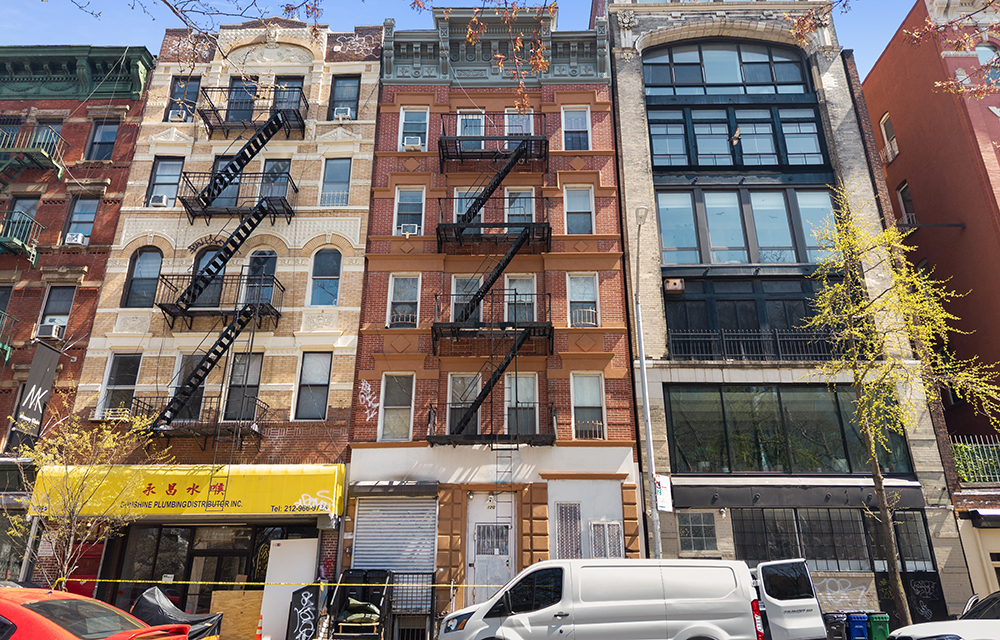
Investment Property Realty Group sells 120 Forsyth St. for $1.35 million
Manhattan, NY Investment Property Realty Group (IPRG) closed the sale of 120 Forsyth St., a mixed-use building located in the Lower East Side section of the city, for $1.35 million.



Quick Hits
 (2).gif)

Columns and Thought Leadership

Positive forecast for New York’s pro-housing push? - by Philip Butler
New York’s housing crisis remains a hot button topic despite growing consensus that varied and affordable housing is desperately needed statewide. Governor Hochul has recently introduced several initiatives to overcome N.Y.’s anti-housing

A guide to finding the right NYC property management company - by Sanjay Gandhi
Being a small to midsize landlord in NYC is an increasingly demanding endeavor. From navigating complex regulations, increased compliance demands to dealing with tenant issues and remediating violations. It is wise to enlist the assistance of a partner, a professional

New York’s streets are full again, and the retail numbers prove it - by Noam Aziz
Walk down any New York block this year and you can feel it. The sidewalks are crowded, the storefronts are lit, and the energy that defines this city is back at full volume.

Hunt commercial real estate question and answer: Fortune 500 wisdom - by David Hunt
Yes, there are lessons to be learned from the largest companies in America when comes to managing your real estate. But the decision to buy or lease real estate may not be one of
.gif)