



News:
Brokerage
Posted: February 24, 2014
Kimyagarov and Lipton of Massey Knakal broker $3.4 million sale
A residential condominium development project at 369 West 126th St., located between Morningside and St. Nicholas Aves. in the West Harlem neighborhood, was sold in an all-cash transaction valued at $3.4 million.
This five-story 11-unit elevator boutique residential development project contains 8,593 s/f and sits on a 25' x 99.92' lot. The property is approximately 80% complete and can serve as either a condo building or multifamily rental asset. It will boast five studios, two one-bedroom, and four two-bedroom apartments, including a penthouse unit with two balconies and exclusive access to the rooftop. The property also benefits from a 15 year 421a tax exemption.
The sale price equates to approximately $396 per s/f.
David Shavolian, in partnership with Crosby Capital, hired Massey Knakal to sell the building. This property is ideally situated on a cozy residential street, one block north of the 125th St. commercial corridor and around the corner from the A, B, C, and D subway lines on 125th St. and St. Nicholas Ave. It is located only 15 minutes from midtown and within walking distance to the Columbia University expansion project.
"After marketing the property for several months, we had multiple offers and we were able to secure a local buyer who intends on completing the construction of the building. The sellers were happy with Massey Knakal's process, which resulted in a favorable sale price of almost $400 per s/f," said Massey Knakal's Lev Kimyagarov, who exclusively handled this transaction with Josh Lipton.
"With condominium sell-out values in Harlem exceeding $700 per s/f in certain locations, this acquisition represents a terrific investment opportunity for the purchaser," said Lipton.
Tags:
Brokerage
MORE FROM Brokerage
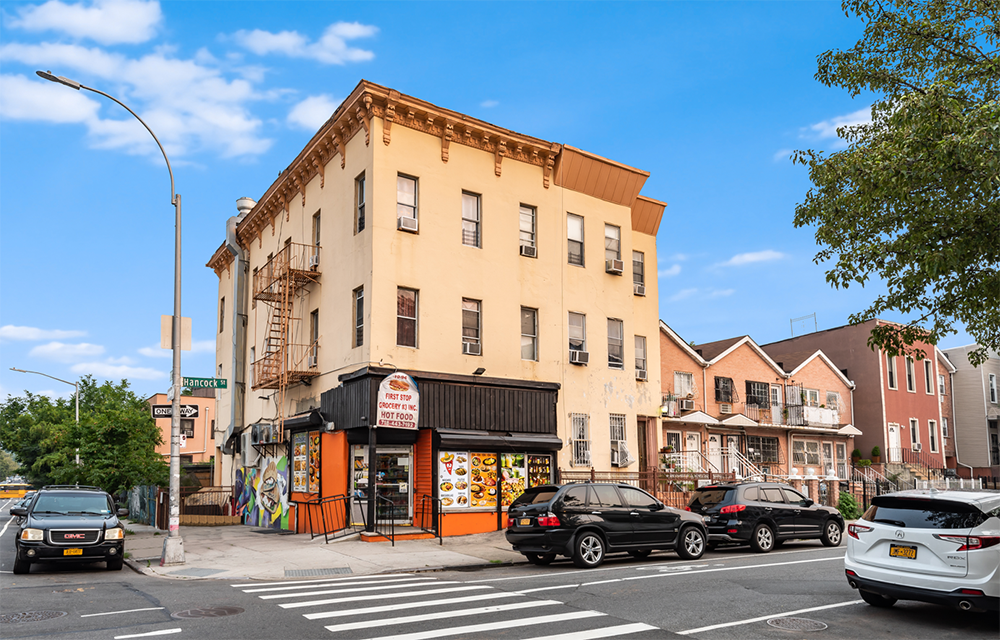
Investment Property Realty Group closes $1.75 million sale of 1094 Hancock Street in Brooklyn
Brooklyn, NY Investment Property Realty Group (IPRG), a New York-based commercial investment firm, has closed the sale of 1094 Hancock St., a mixed-use building in the Bushwick section, for $1.75 million.


Quick Hits

Columns and Thought Leadership

Hunt commercial real estate question and answer: Fortune 500 wisdom - by David Hunt
Yes, there are lessons to be learned from the largest companies in America when comes to managing your real estate. But the decision to buy or lease real estate may not be one of

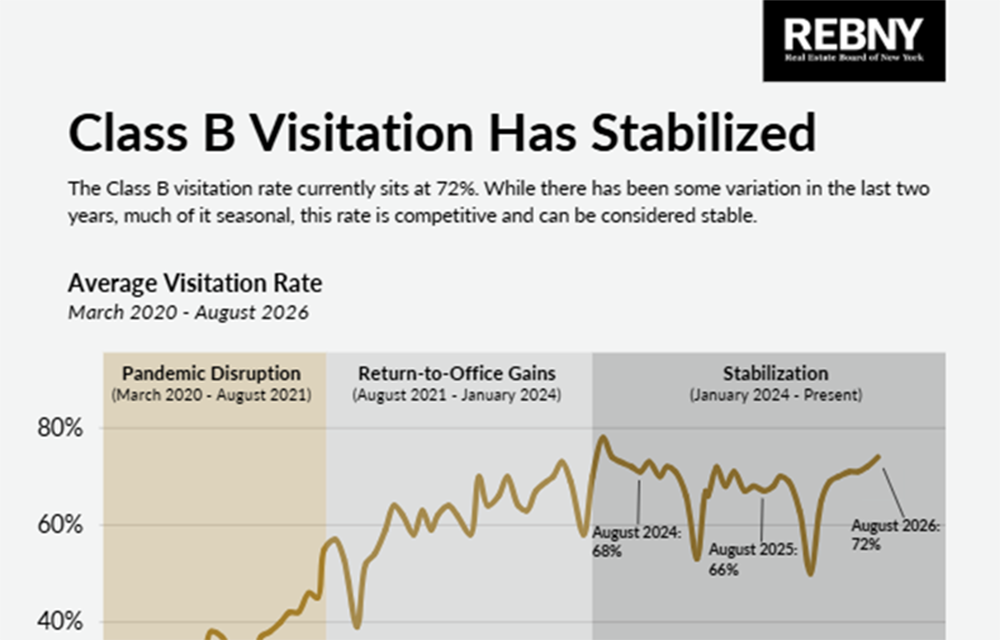
New York’s streets are full again, and the retail numbers prove it - by Noam Aziz
Walk down any New York block this year and you can feel it. The sidewalks are crowded, the storefronts are lit, and the energy that defines this city is back at full volume.

A guide to finding the right NYC property management company - by Sanjay Gandhi
Being a small to midsize landlord in NYC is an increasingly demanding endeavor. From navigating complex regulations, increased compliance demands to dealing with tenant issues and remediating violations. It is wise to enlist the assistance of a partner, a professional

Hunt CRE question and answer: Choosing a real estate agent - by David Hunt
First, we will only work with one agent exclusively. The primary reason is that we want that agent to legally represent our client’s interests. In New York State, a real estate agent has a fiduciary
.gif)