



News:
Brokerage
Posted: November 3, 2020
JLL handles $110.825 million sale of waterfront development site in Greenpoint, Brooklyn
Brooklyn, NY JLL Capital Markets has completed the $110.825 million sale of 1 Java St., a large-scale waterfront development site in the Greenpoint neighborhood.
JLL worked on behalf of the sellers, JZ Capital Partners and Redsky Capital, to secure the sale to the buyer, Lendlease. The JLL team representing the seller includes vice chairmen Stephen Palmese and Brendan Maddigan; managing directors Winfield Clifford, Michael Mazzara and Ethan Stanton; and vice president Patrick Madigan. Melissa Burch and Christie Walker negotiated the deal in-house on behalf of Lendlease.
1 Java St. is a development site with a 134,000 s/f footprint, offering 610,000 buildable s/f on a full city block. The site offers 1,174 s/f of wrap-around, high-visibility frontage and features multiple curb cuts along both India and Java Sts. The site has protected waterfront views of the East River overlooking Manhattan, offering vistas for future building residents. The property is eligible for multiple mixed zoning designations, with a FAR up to 6.5 and multiple tax benefits, including the Voluntary Inclusionary Housing Brownfield Cleanup Tax Benefits, ICAP & Fresh Inviting Inclusionary tax incentives.
The neighborhood is home to significant development, with 7,000 new residences in the pipeline along the Greenpoint/Williamsburg waterfront and growing foot traffic and demand for retail, workspaces and new amenities. The neighborhood is a popular destination for tourists and city residents, with dozens of nearby popular restaurants, bars and retail options. The site is located in close proximity to a variety of public transportation options, including the G train with access to Long Island City, Brooklyn and Manhattan via the L and 7 subway lines; the India Street East River Ferry Terminal with connection to Long Island City, DUMBO, Williamsburg, Wall Street and Murray Hill, and several bus routes within two blocks. The site is near the proposed BQX streetcar route connecting Astoria and Sunset Park.
“We are pleased to help complete the sale of this extraordinary property in this thriving Brooklyn submarket.” Palmese said. “This asset offers unique, large-scale, shovel-ready development potential, and will be an iconic part of the Greenpoint community and Brooklyn skyline once complete.”
Tags:
Brokerage
MORE FROM Brokerage
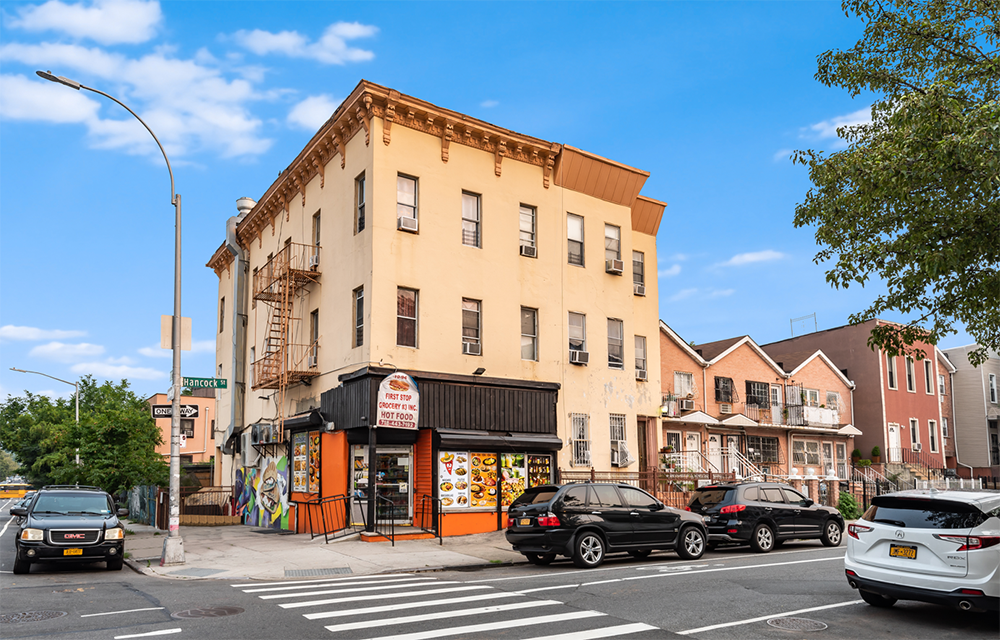
Investment Property Realty Group closes $1.75 million sale of 1094 Hancock Street in Brooklyn
Brooklyn, NY Investment Property Realty Group (IPRG), a New York-based commercial investment firm, has closed the sale of 1094 Hancock St., a mixed-use building in the Bushwick section, for $1.75 million.



Columns and Thought Leadership

A guide to finding the right NYC property management company - by Sanjay Gandhi
Being a small to midsize landlord in NYC is an increasingly demanding endeavor. From navigating complex regulations, increased compliance demands to dealing with tenant issues and remediating violations. It is wise to enlist the assistance of a partner, a professional

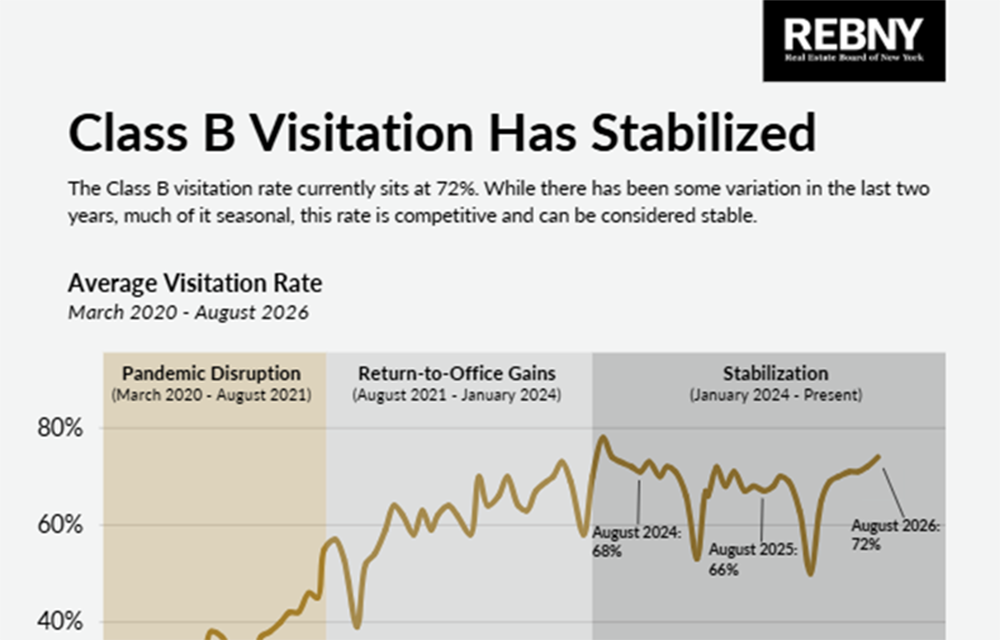
New York’s streets are full again, and the retail numbers prove it - by Noam Aziz
Walk down any New York block this year and you can feel it. The sidewalks are crowded, the storefronts are lit, and the energy that defines this city is back at full volume.

Hunt commercial real estate question and answer: Fortune 500 wisdom - by David Hunt
Yes, there are lessons to be learned from the largest companies in America when comes to managing your real estate. But the decision to buy or lease real estate may not be one of

Hunt CRE question and answer: Choosing a real estate agent - by David Hunt
First, we will only work with one agent exclusively. The primary reason is that we want that agent to legally represent our client’s interests. In New York State, a real estate agent has a fiduciary
.gif)