



News:
Brokerage
Posted: April 26, 2022
JLL arranges 40,431 s/f renewal at Vanbarton’s 31 Penn Plaza
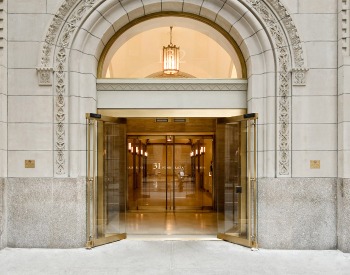
New York City, NY According to JLL and Vanbarton Group, TPG Architecture has renewed its 40,431 s/f office lease at 31 Penn Plaza, located at 132 West 31st St. between Sixth and Seventh Ave.'s.
Situated in an area of midtown undergoing a major transformation as large-scale developments, including Hudson Yards and the Penn District Master Plan, prompt a new era of progressive urban design, 31 Penn Plaza has been customized to meet demand from companies evolving within the post-COVID work environment.
Owned by Vanbarton Group, the tower features amenities and upgrades, communal gathering area and café on the sixth floor, while a lobby conference center can accommodate corporate presentations, private meetings or company gatherings with catering options on demand. A secure bike room with adjoining showers is available for employees who favor cycling to work, while modernized passenger elevators are equipped with a destination guidance system to minimize passenger wait and travel time.
The redesigned building lobby features a 24/7 security desk and secure access turnstiles, while advanced signage and lighting showcases a curated retail offering that features contemporary and convenience food offerings, including Friedman’s Restaurant, Pennsylvania 6 and Ichiran Ramen.
A 1920s property with 21st century interiors and floor plates, 31 Penn Plaza is located within a transit nexus that includes the soon-to-be-redeveloped Penn Station and Grand Central Terminal. A multi-billion-dollar land use improvement program will see the surrounding area revitalized over the next decade with bold new public plazas, transit and public realm improvements as well as curated retail and other amenities.
JLL vice chairmen Mitchell Konsker and Matthew Astrachan, vice president Kyle Young and associate Thomas Swartz represented landlord, Vanbarton Group, in the seven-year renewal with TPG Architecture. CBRE’s Mark Ravesloot, Michael Monahan and William Iacovelli represented the tenant.
“TPG’s renewal is testament to the landlord’s continued investment in the property, which includes a new, best-in-class amenity center on the sixth floor that will support tenant collaboration and creativity,” said Konsker.
“We are thrilled to have concluded this transaction with TPG as they continue to focus on employee welfare within a collaborative and efficient environment,” said Astrachan. “31 Penn Plaza ticks all of the boxes while its central location supports employee work patterns in this post-COVID environment.”
Tags:
Brokerage
MORE FROM Brokerage
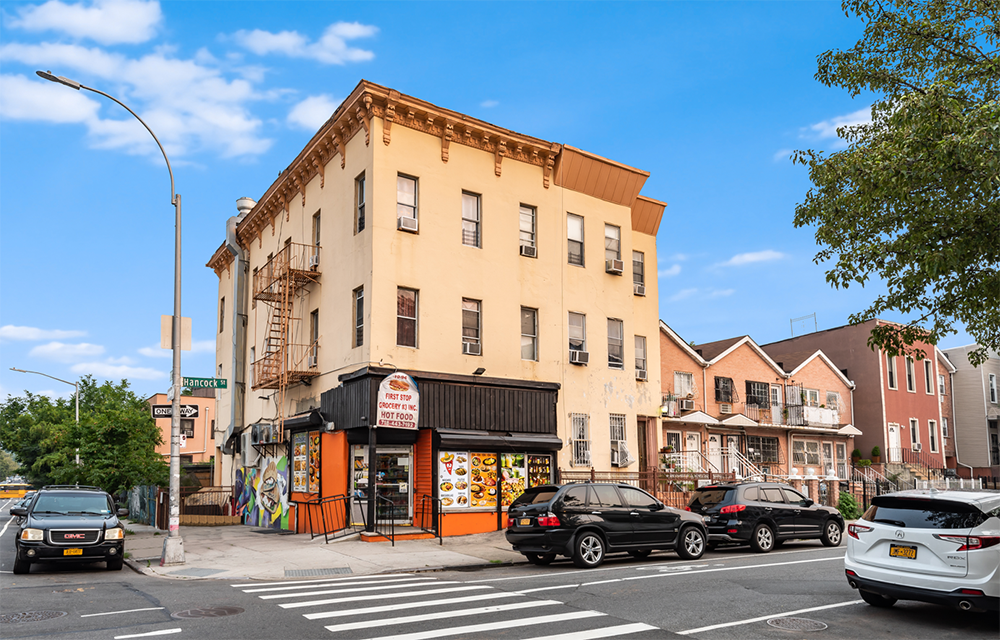
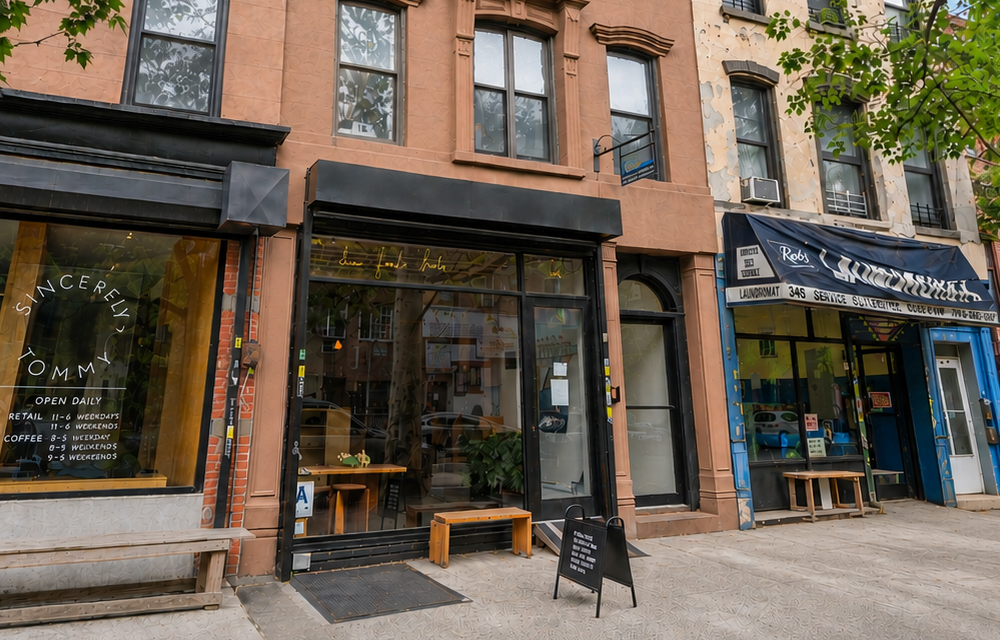
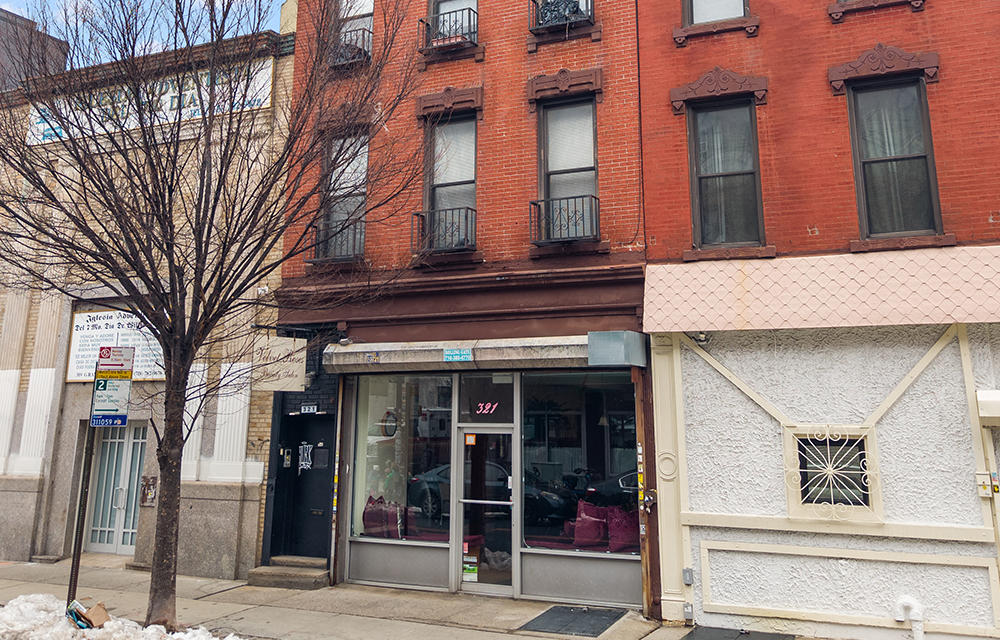
Investment Property Realty Group closes $1.75 million sale of 1094 Hancock Street in Brooklyn
Brooklyn, NY Investment Property Realty Group (IPRG), a New York-based commercial investment firm, has closed the sale of 1094 Hancock St., a mixed-use building in the Bushwick section, for $1.75 million.


Quick Hits

Columns and Thought Leadership

Hunt CRE question and answer: Choosing a real estate agent - by David Hunt
First, we will only work with one agent exclusively. The primary reason is that we want that agent to legally represent our client’s interests. In New York State, a real estate agent has a fiduciary

New York’s streets are full again, and the retail numbers prove it - by Noam Aziz
Walk down any New York block this year and you can feel it. The sidewalks are crowded, the storefronts are lit, and the energy that defines this city is back at full volume.

A guide to finding the right NYC property management company - by Sanjay Gandhi
Being a small to midsize landlord in NYC is an increasingly demanding endeavor. From navigating complex regulations, increased compliance demands to dealing with tenant issues and remediating violations. It is wise to enlist the assistance of a partner, a professional

Hunt commercial real estate question and answer: Fortune 500 wisdom - by David Hunt
Yes, there are lessons to be learned from the largest companies in America when comes to managing your real estate. But the decision to buy or lease real estate may not be one of
.gif)