



News:
Brokerage
Posted: October 10, 2008
Is there a Manhattan real estate boom on the horizon?
Many ask what will happen to the real estate market in Manhattan. Although on the surface one might anticipate empty offices, apartments and buildings on the horizon, what most do not see is the resilience and opportunities characteristic of this great city-the capital of the world.
I will never forget the shocking sound of my own footsteps in Times Sq. the week following 9/11. Families grieved, businesses folded, and many chose to sell their apartments and to leave the city. What happened to the Manhattan real estate market as a result of 9/11? There was a blip. The average sale price for an apartment went from $837,000 to $821,000 in 2002. In 2003 Manhattan apartments were back on the rise as the average sale of an apartment bounced to $881,000 and had steady increases leading to $1.395 million in 2007.
The Manhattan real estate market has already been affected by the mortgage crises. There are more properties on the market this year. Apartments are staying on the market longer and there are less sales transactions. Dollars in sales, are up as apartments are not only holding their value, they are still increasing in value.
The reasons are:
* The strong international buyer who has an insatiable appetite for our luxury apartments in new developments.
* Young families who have chosen to raise their children in the city have been buying large properties and combining 2,3, or 4 apartments to accommodate their lifestyles.
* Cooperative apartments still make up the majority of properties in Manhattan and have a reputation of strict financial guidelines for purchasing apartments.
If the smartest and best educated people in the financial world can not control this crisis where are we to put our money? After the initial shock waves, could this lead to a Manhattan real estate boom?
Debra Duneier is a senior associate broker at The Corcoran Group, New York, N.Y.
Tags:
Brokerage
MORE FROM Brokerage
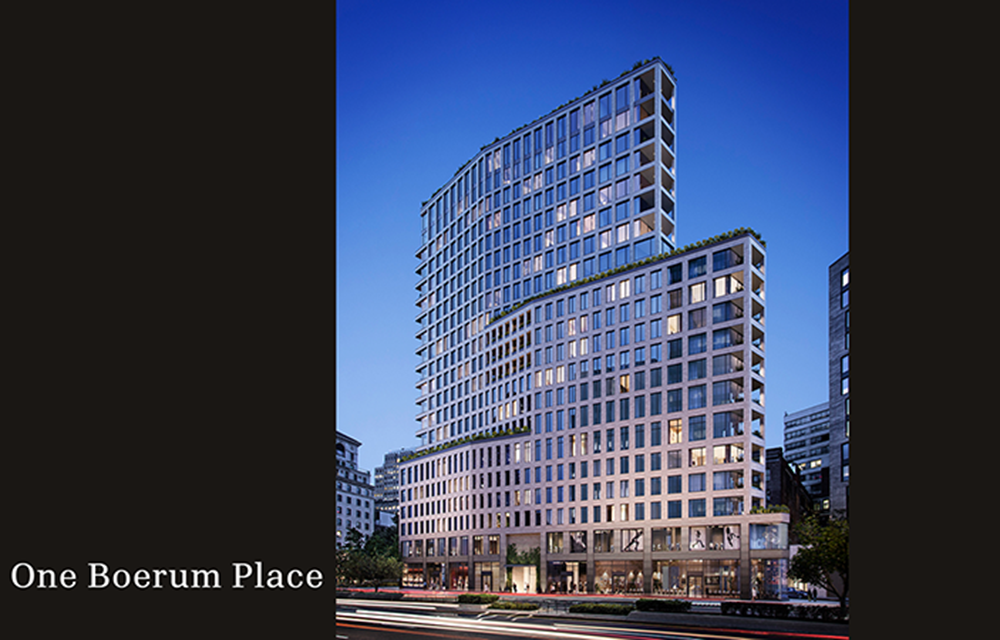
Residential real estate consultancy and brokerage firm Nancy Packes, Inc. rebrands as NPI
Manhattan, NY The NYC-based premier residential real estate consultancy and brokerage firm, Nancy Packes Inc., has rebranded as NPI. Helmed by Seth Rosner, most recently the firm’s managing partner and now president, the company has been intricately involved in hundreds of Tri-State new developments and conversions, spearheading the full project life cycle, from assessment/pre-dev.




Quick Hits
 (2).gif)

Columns and Thought Leadership

Hunt commercial real estate question and answer: Fortune 500 wisdom - by David Hunt
Yes, there are lessons to be learned from the largest companies in America when comes to managing your real estate. But the decision to buy or lease real estate may not be one of

New York’s streets are full again, and the retail numbers prove it - by Noam Aziz
Walk down any New York block this year and you can feel it. The sidewalks are crowded, the storefronts are lit, and the energy that defines this city is back at full volume.

Hunt CRE question and answer: Choosing a real estate agent - by David Hunt
First, we will only work with one agent exclusively. The primary reason is that we want that agent to legally represent our client’s interests. In New York State, a real estate agent has a fiduciary

A guide to finding the right NYC property management company - by Sanjay Gandhi
Being a small to midsize landlord in NYC is an increasingly demanding endeavor. From navigating complex regulations, increased compliance demands to dealing with tenant issues and remediating violations. It is wise to enlist the assistance of a partner, a professional
.gif)