



News:
Brokerage
Posted: September 8, 2020
Investment Sales: What does all this mean? - by Michael Weiser

The current real estate market is in complete flux, and that’s putting it mildly. There is uncertainty involving every asset type across every submarket in New York City. The first throws of uncertainty came with the new NYS state rent stabilization regulations passed in June 2019. Then COVID-19 pandemic put the entire industry on its head. The shutdown that followed in March 2020 brought real estate to a virtual standstill. NYC multifamily had its lowest transaction and dollar volume in a decade in the 2nd quarter of 2020. However, there was notable month-to-month growth from May 2020 to June 2020, the first since February 2020.
Adding to the instability is the movement of New Yorkers, mostly wealthy, to the suburbs of New York, New Jersey and Connecticut. This trend is not new, there are indicators that this migration to the suburbs began in earnest in 2018.
What does this all mean?
Well, in many ways, we are in unchartered territories. New York City took a huge economic hit with an $8 billion projected tax loss over the next two years. However, New York City is the place of second, third and fourth acts and as it pertains to NYC real estate the long-term growth projections are still positive according to numerous analysts. The economic fundamentals of New York City are strong, lenders are active again and with the low infection rate and the close of summer some of the families that left will head back to the city. Currently, real estate investment is a long-term play and those who did not take advantage of today’s pricing may look back and regret the missed opportunities.
Michael Weiser is the president, of GFI Realty Services LLC, New York, N.Y.
Tags:
Brokerage
MORE FROM Brokerage
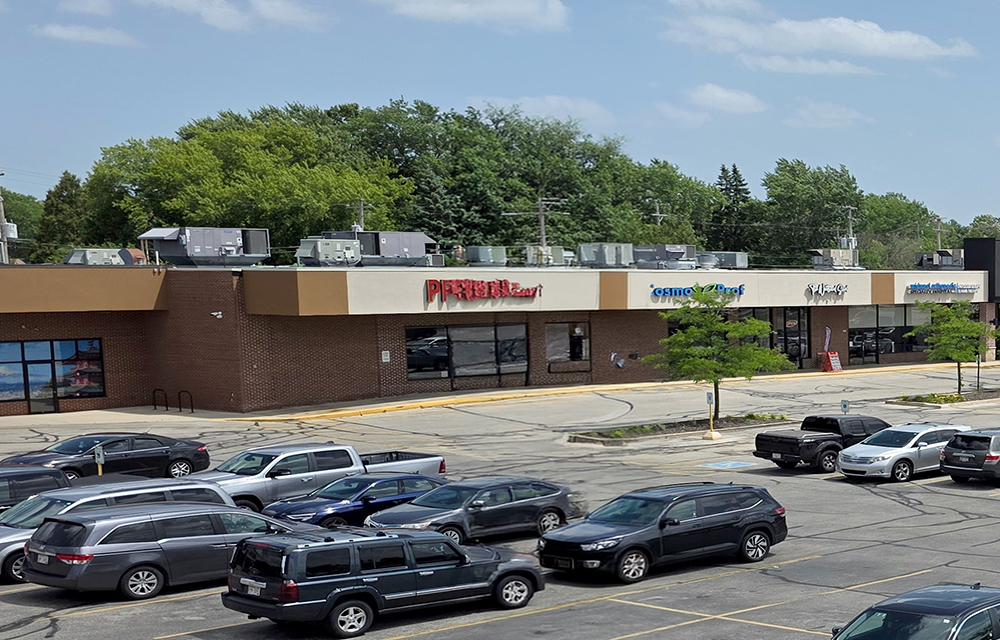
United Properties Corp. expands Wisconsin and Illinois retail presence adding 200,000 s/f
West Allis, WI United Properties Corp. completed two retail acquisitions totaling $27.4 million across Illinois and Wisconsin, adding 205,000 s/f of shopping center space to its portfolio


Quick Hits

Columns and Thought Leadership

Positive forecast for New York’s pro-housing push? - by Philip Butler
New York’s housing crisis remains a hot button topic despite growing consensus that varied and affordable housing is desperately needed statewide. Governor Hochul has recently introduced several initiatives to overcome N.Y.’s anti-housing

A guide to finding the right NYC property management company - by Sanjay Gandhi
Being a small to midsize landlord in NYC is an increasingly demanding endeavor. From navigating complex regulations, increased compliance demands to dealing with tenant issues and remediating violations. It is wise to enlist the assistance of a partner, a professional

Hunt commercial real estate question and answer: Fortune 500 wisdom - by David Hunt
Yes, there are lessons to be learned from the largest companies in America when comes to managing your real estate. But the decision to buy or lease real estate may not be one of

New York’s streets are full again, and the retail numbers prove it - by Noam Aziz
Walk down any New York block this year and you can feel it. The sidewalks are crowded, the storefronts are lit, and the energy that defines this city is back at full volume.
.gif)