



News:
Brokerage
Posted: January 9, 2018
Investment Sales: The Manhattan market - by Anthony Celifarco
When prices continue to rise as transaction volumes fall, it often portrays a disconnect between what buyers are willing to pay and what sellers are willing to accept for a property. That disconnect can be seen in the recent scarcity of blockbuster deals that typically drive the market. That being said, the average price per s/f for Manhattan commercial properties in the first half of 2017, was $1,483 — up 11% from 2015.
Having sold properties on Amsterdam and Manhattan Aves., I know these areas will always endure. Upper West Side multifamily pricing is currently trending around $800 per s/f and $575,000 per unit, and I’m seeing an uptick in sales activity since the summer. Family-sized apartments are in high demand, and as you go further north into Columbia territory, smaller units are desirable for the student population. Pre-war vintage buildings with character, tree-lined streets with good local amenities and Central Park all make for attractive investment opportunities.
The market will level out and the most aggressive investors and bullish buyers during these slower times will prosper from it.
Anthony Celifarco is a senior director at The Besen Group, New York, N.Y.
Tags:
Brokerage
MORE FROM Brokerage
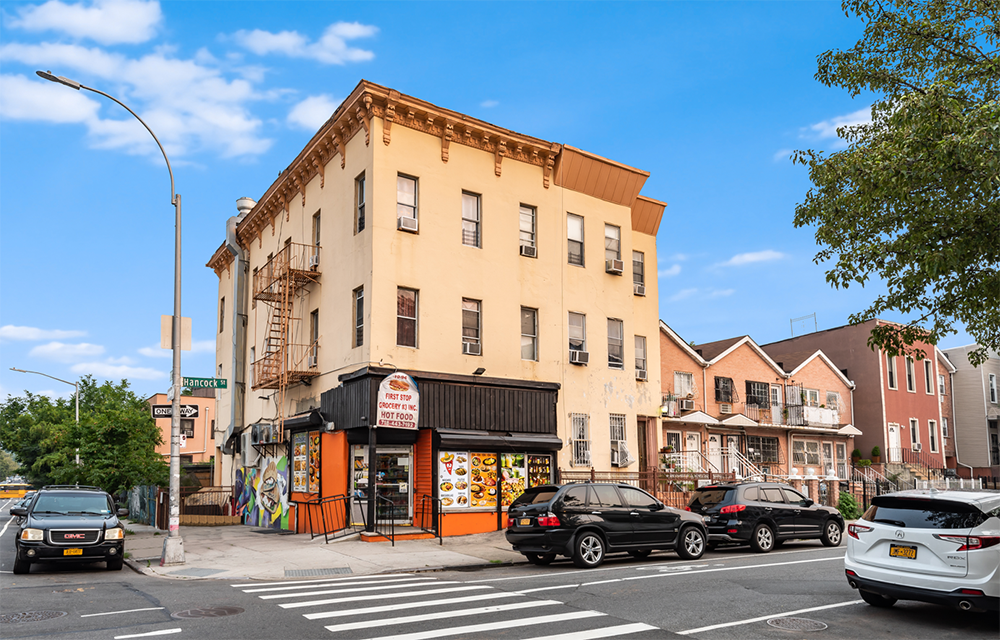
Investment Property Realty Group closes $1.75 million sale of 1094 Hancock Street in Brooklyn
Brooklyn, NY Investment Property Realty Group (IPRG), a New York-based commercial investment firm, has closed the sale of 1094 Hancock St., a mixed-use building in the Bushwick section, for $1.75 million.




Columns and Thought Leadership

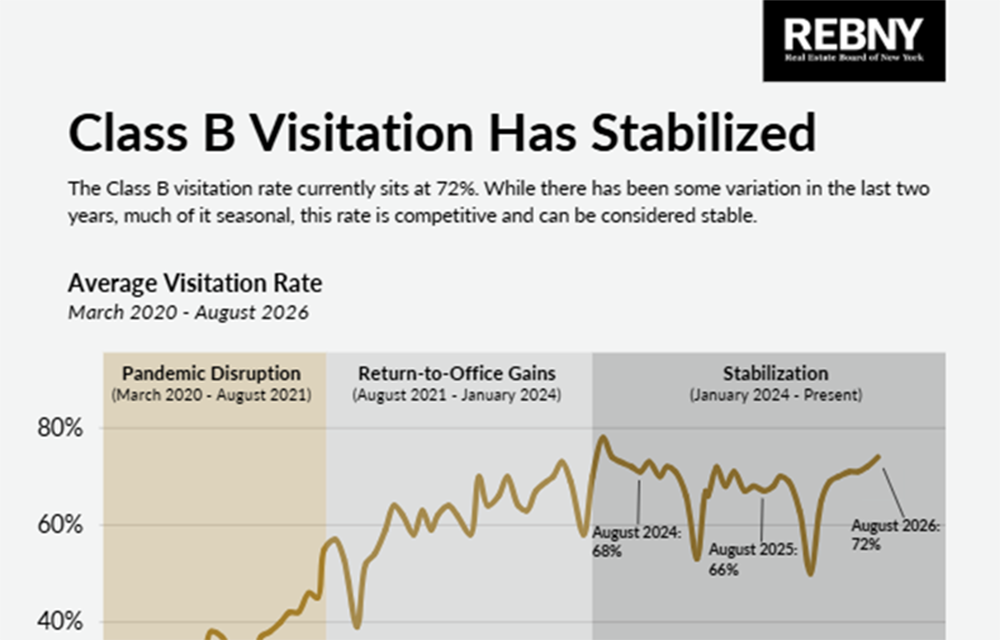
New York’s streets are full again, and the retail numbers prove it - by Noam Aziz
Walk down any New York block this year and you can feel it. The sidewalks are crowded, the storefronts are lit, and the energy that defines this city is back at full volume.

Hunt commercial real estate question and answer: Fortune 500 wisdom - by David Hunt
Yes, there are lessons to be learned from the largest companies in America when comes to managing your real estate. But the decision to buy or lease real estate may not be one of

A guide to finding the right NYC property management company - by Sanjay Gandhi
Being a small to midsize landlord in NYC is an increasingly demanding endeavor. From navigating complex regulations, increased compliance demands to dealing with tenant issues and remediating violations. It is wise to enlist the assistance of a partner, a professional

Hunt CRE question and answer: Choosing a real estate agent - by David Hunt
First, we will only work with one agent exclusively. The primary reason is that we want that agent to legally represent our client’s interests. In New York State, a real estate agent has a fiduciary
.gif)