



News:
Brokerage
Posted: October 2, 2018
Investment Sales: Can technology replace the commercial real estate broker? - by Miguel Jauregui
With real estate tech being such a hot topic these days, there is talk about what the potential is for technology replacing the commercial real estate broker. Although there is an argument that can be made for technology coming close to replacing the residential agent, I always say that it is a different game in the CRE world.
The reality is that CRE transactions are traded amongst a relatively small pool of active investors that are only penetrated with strong relationships, and technology cannot replace that. However, that does not mean that technology can be overlooked. Although the fundamentals of the CRE broker’s landscape have not changed (phone calls and meetings), it is the path to that end goal that will.
The way I see it is that technology does two things. First, it addresses the investor’s needs in research, which historically was a broker’s role. That results in brokers becoming more of a consultant to the client’s strategic planning rather than on selling real estate. Second, technology helps brokers become much more efficient with their time, allowing one to focus more on revenue-generating activities that lead to being of better service to the investor. The types of tools that can help brokers do a better job are 3D tours, text blasts, voicemail drops, smart CRMs, video conferencing, canvassing platforms, smart comping tools, social media, the list can go on and on. One has to have more tricks of the trade, more resources, and that can result in more relationships.
With four years of New York City CRE brokerage under my belt, and one who is obsessed with continuous improvement, I am always looking for new tools, and anyone in today’s ultra-competitive CRE landscape should be as well. After all, in order to compete and set oneself apart, a broker must always be looking for ways to be more efficient with their time and effective with their clients. Fortunately, the technology has arrived to help with all of that, so it is time to embrace it.
Miguel Jauregui is an investment sales director at Besen & Assocs., New York, N.Y.
Tags:
Brokerage
MORE FROM Brokerage
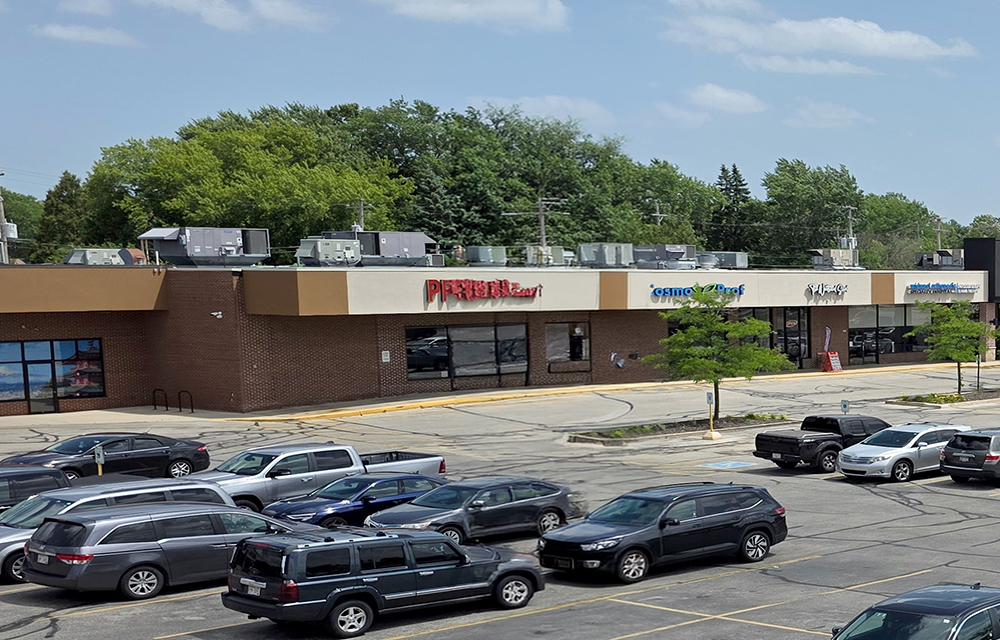
United Properties Corp. expands Wisconsin and Illinois retail presence adding 200,000 s/f
West Allis, WI United Properties Corp. completed two retail acquisitions totaling $27.4 million across Illinois and Wisconsin, adding 205,000 s/f of shopping center space to its portfolio






Quick Hits

Columns and Thought Leadership

Positive forecast for New York’s pro-housing push? - by Philip Butler
New York’s housing crisis remains a hot button topic despite growing consensus that varied and affordable housing is desperately needed statewide. Governor Hochul has recently introduced several initiatives to overcome N.Y.’s anti-housing

Hunt commercial real estate question and answer: Fortune 500 wisdom - by David Hunt
Yes, there are lessons to be learned from the largest companies in America when comes to managing your real estate. But the decision to buy or lease real estate may not be one of

A guide to finding the right NYC property management company - by Sanjay Gandhi
Being a small to midsize landlord in NYC is an increasingly demanding endeavor. From navigating complex regulations, increased compliance demands to dealing with tenant issues and remediating violations. It is wise to enlist the assistance of a partner, a professional

New York’s streets are full again, and the retail numbers prove it - by Noam Aziz
Walk down any New York block this year and you can feel it. The sidewalks are crowded, the storefronts are lit, and the energy that defines this city is back at full volume.
.gif)