



News:
Brokerage
Posted: June 4, 2019
Investment Sales: Build better buildings not bigger obstacles - by Michael Weiser

There have been plenty of hot button issues circulating in the real estate community this year, one of those issues is The Climate Mobilization Act: A package of bills passed by the City Council. The package of laws requires owners of buildings over 25,000 s/f, to meet specific carbon footprint standards, or face millions in fines. The emission limits set forth by the city will begin in 2024 and swiftly increase from there. While the owners of our city’s skyscrapers will be the first to comply with the citywide upgrades, there will also be a significant investment needed for public buildings and affordable housing to accomplish this lofty goal.
The legislation will also affect developers that plan to continue building here. Proactive builders, using technological advances are becoming more efficient running the electrical output necessary for the changing times. Those landlords will still be faced with fines if they can’t comply with the new legislation; costs which they may not incur in other cities?
We are not saying that improvement to the way buildings have been built here in New York City are unnecessary; however, the timetable of caps is being done in a way that will leave some saddled with fines when they can’t comply. The technology involved in creating energy efficient structures is increasing, but not at the same pace that Climate Mobilization Act requires.
Michael Weiser is the president of GFI Realty Services, LLC, New York, N.Y.
Tags:
Brokerage
MORE FROM Brokerage
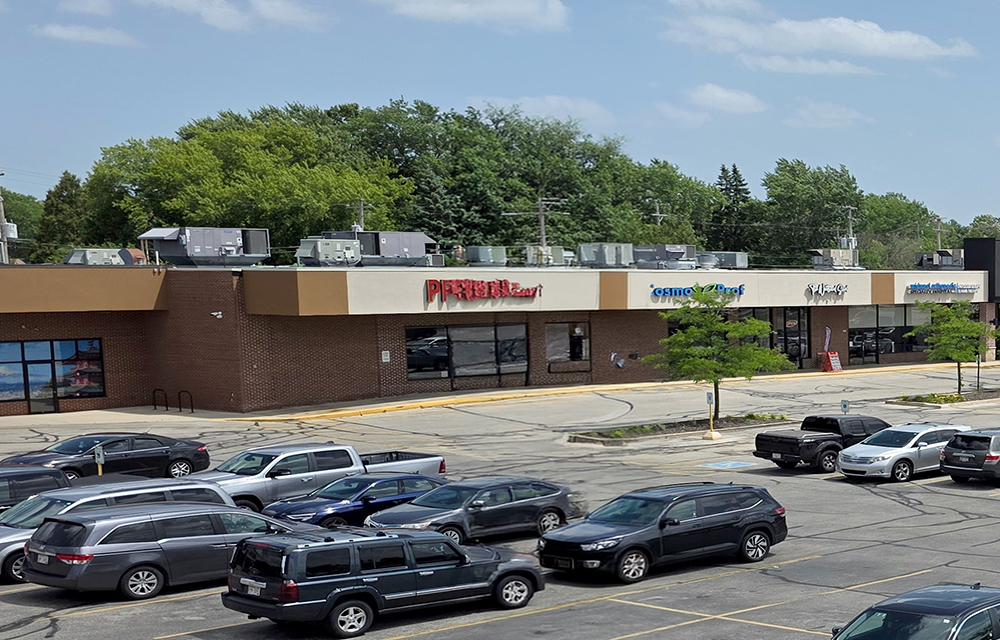
United Properties Corp. expands Wisconsin and Illinois retail presence adding 200,000 s/f
West Allis, WI United Properties Corp. completed two retail acquisitions totaling $27.4 million across Illinois and Wisconsin, adding 205,000 s/f of shopping center space to its portfolio





Quick Hits

Columns and Thought Leadership

A guide to finding the right NYC property management company - by Sanjay Gandhi
Being a small to midsize landlord in NYC is an increasingly demanding endeavor. From navigating complex regulations, increased compliance demands to dealing with tenant issues and remediating violations. It is wise to enlist the assistance of a partner, a professional

Hunt commercial real estate question and answer: Fortune 500 wisdom - by David Hunt
Yes, there are lessons to be learned from the largest companies in America when comes to managing your real estate. But the decision to buy or lease real estate may not be one of

New York’s streets are full again, and the retail numbers prove it - by Noam Aziz
Walk down any New York block this year and you can feel it. The sidewalks are crowded, the storefronts are lit, and the energy that defines this city is back at full volume.

Positive forecast for New York’s pro-housing push? - by Philip Butler
New York’s housing crisis remains a hot button topic despite growing consensus that varied and affordable housing is desperately needed statewide. Governor Hochul has recently introduced several initiatives to overcome N.Y.’s anti-housing
.gif)