



News:
Brokerage
Posted: January 19, 2021
Investment Sales: Brooklyn will become the choice for New Yorkers who plan to stay - by Justin Conway

Market dynamics have been impacted greatly due to the COVID-19 pandemic and the displacement of tenants from major cities. Many longtime residents have opted to move to the suburbs due to office closure and desire for more space. A survey of homebuyers on Streeteasy highlights that many New Yorkers’ home preferences changed because of the pandemic. Respondents cited extra space (47%), outdoor space (38%), in-unit laundry (36%) and proximity to parks and public green spaces (31%) as bigger priorities than they were before.
Brooklyn provides all of these features at lower price points than Manhattan. Manhattan saw rental prices decrease about 17% year over year for Q4 2020 while Brooklyn saw a decrease of about 5% year over year for the same quarter. During the pandemic, investors have been seeking multifamily buildings in brownstone Brooklyn neighborhoods (Park Slope, Clinton Hill, Cobble Hill, Boerum Hill). Specifically, investors are attracted to buildings with protected tax classes and buildings not subject to rent stabilization laws (under six units in NYC). Many longtime owners of these Brooklyn buildings have opted to sell and 1031 exchange into passive investment vehicles, such as Delaware Statutory Trusts that invest in multifamily and self-storage nationwide or triple net leased investments with credit and COVID-proof tenants on long-term leases.
During the pandemic, I sold four buildings that met these classifications in brownstone Brooklyn. The investors for these deals plan to invest significant capital into the buildings to reposition the assets. The pricing for these buildings in Boerum Hill came in around $650 per s/f. Investors for these assets have a long-term view of New York City and focus on assets they can reposition. With the shifting dynamics of New York City, I believe the best borough to buy in now is Brooklyn. Manhattan saw the largest decrease in average price per s/f, dropping around 23%. Brooklyn has been the most resilient and pricing has remained relatively steady.
Justin Conway is an investment sales advisor at Besen Partners, New York, N.Y.
Tags:
Brokerage
New York City
MORE FROM Brokerage
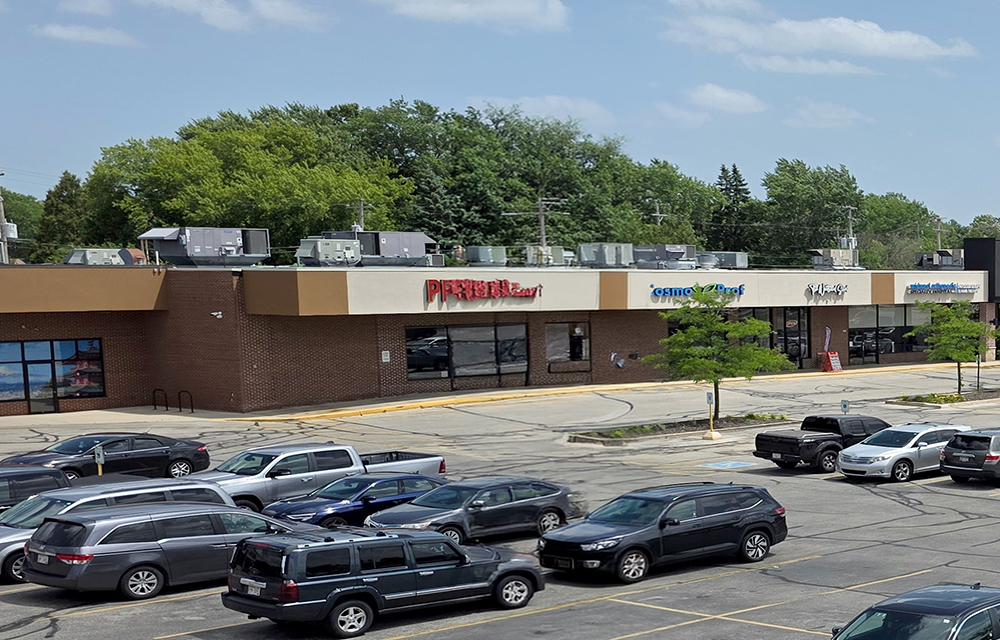
United Properties Corp. expands Wisconsin and Illinois retail presence adding 200,000 s/f
West Allis, WI United Properties Corp. completed two retail acquisitions totaling $27.4 million across Illinois and Wisconsin, adding 205,000 s/f of shopping center space to its portfolio




Quick Hits

Columns and Thought Leadership

A guide to finding the right NYC property management company - by Sanjay Gandhi
Being a small to midsize landlord in NYC is an increasingly demanding endeavor. From navigating complex regulations, increased compliance demands to dealing with tenant issues and remediating violations. It is wise to enlist the assistance of a partner, a professional

Hunt commercial real estate question and answer: Fortune 500 wisdom - by David Hunt
Yes, there are lessons to be learned from the largest companies in America when comes to managing your real estate. But the decision to buy or lease real estate may not be one of

New York’s streets are full again, and the retail numbers prove it - by Noam Aziz
Walk down any New York block this year and you can feel it. The sidewalks are crowded, the storefronts are lit, and the energy that defines this city is back at full volume.

Positive forecast for New York’s pro-housing push? - by Philip Butler
New York’s housing crisis remains a hot button topic despite growing consensus that varied and affordable housing is desperately needed statewide. Governor Hochul has recently introduced several initiatives to overcome N.Y.’s anti-housing
.gif)